

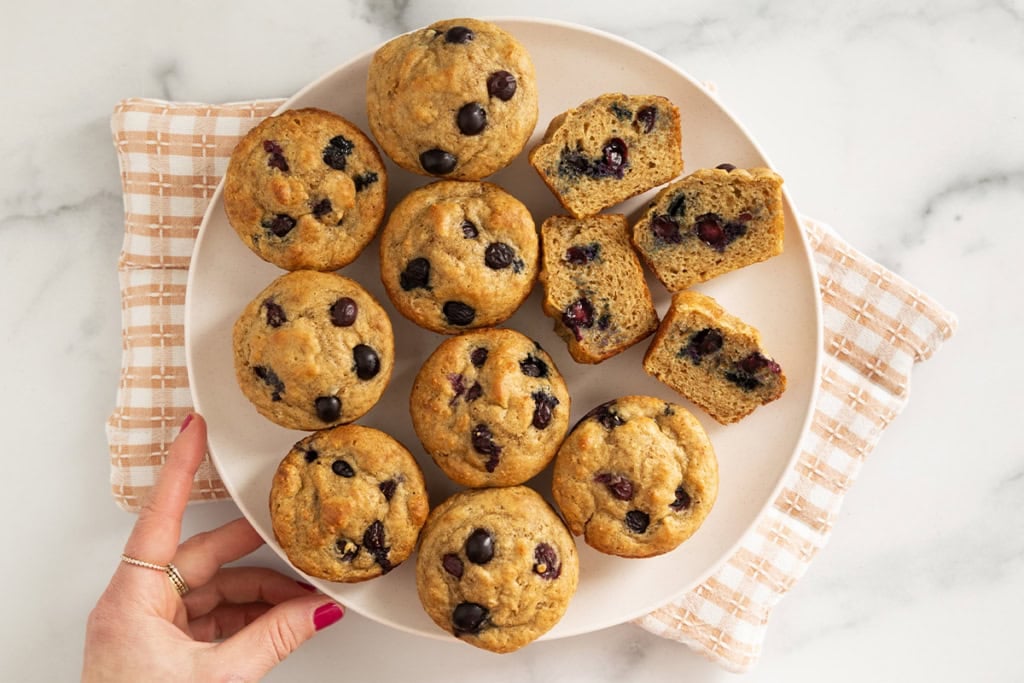
The emergence of high-protein, nutrient-dense snacks tailored specifically for the pediatric demographic has seen a significant shift in home-baking trends, characterized most recently by the development and refinement of the Blueberry Cottage Cheese Muffin. This culinary innovation addresses a primary concern for caregivers: the delivery of essential macronutrients, such as protein and calcium, within a format that remains palatable and accessible to toddlers and young children. By integrating blended dairy solids into a traditional muffin base, the recipe achieves a dual purpose of enhancing structural tenderness while significantly boosting the protein content per serving compared to standard flour-based snacks.
Nutritional Profile and Macro-Analysis
A detailed examination of the Blueberry Cottage Cheese Muffin reveals a sophisticated nutritional balance designed for the high-energy requirements of growing children. Each individual serving, calculated as one muffin, provides approximately 152 calories. The macronutrient distribution is notably skewed toward functional health, offering 5 grams of protein and 5 grams of total fat. Within the lipid profile, the inclusion of 3 grams of saturated fat is deliberate, often derived from the recommended use of 4% milk fat cottage cheese.
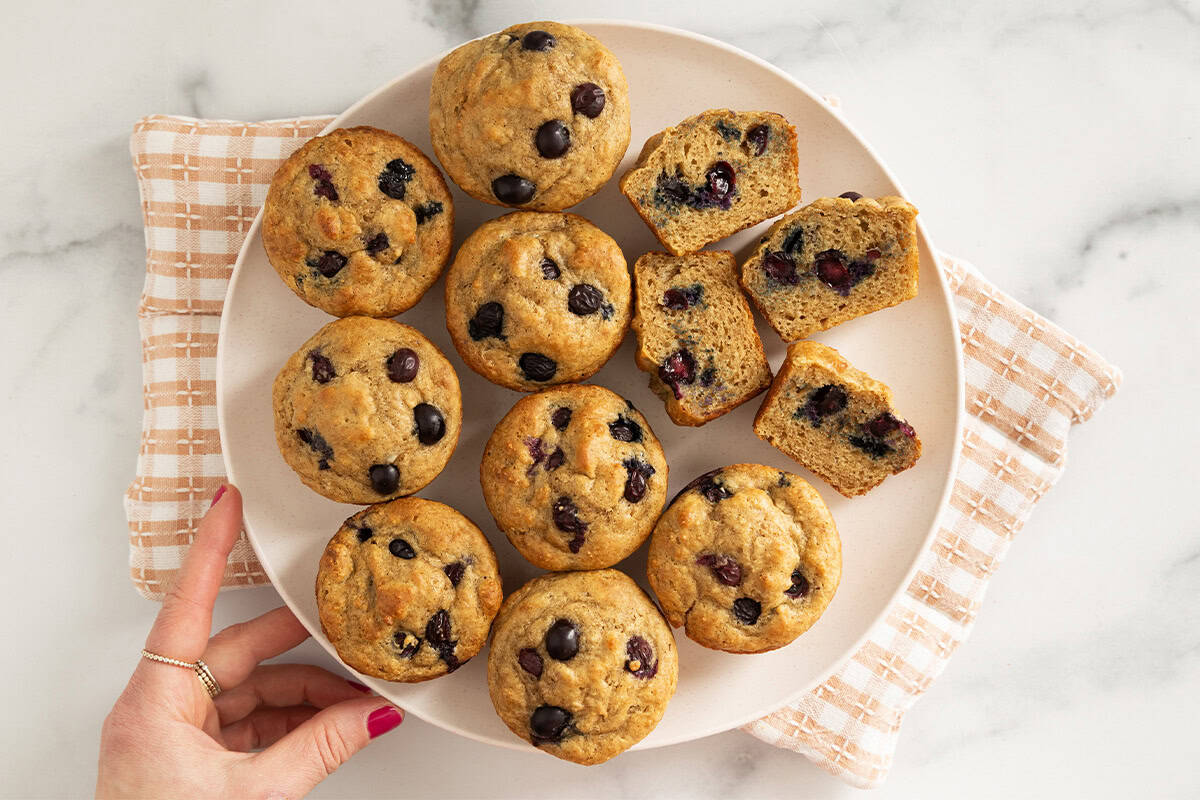
Pediatric nutritional guidelines frequently emphasize the importance of dietary fats for brain development in children under the age of five. The use of full-fat dairy products in this context provides the necessary caloric density and fat-soluble vitamins, including Vitamin A, which is present at 189 IU per serving. Furthermore, the muffins contribute 54 mg of calcium and 1 mg of iron, essential minerals for bone density and oxygen transport in the blood, respectively. The carbohydrate content stands at 21 grams, with 7 grams of sugar, much of which is naturally occurring from the fruit components, while 1 gram of dietary fiber aids in digestive regularity.
The Technical Methodology of Preparation
The production of Blueberry Cottage Cheese Muffins follows a precise chronological sequence designed to optimize the texture of the final product. Unlike traditional muffins which may rely on heavy oils or butter for moisture, this formulation utilizes the unique properties of curd-based dairy.
Phase I: Dairy Homogenization
The process begins with the transformation of cottage cheese from a curd-heavy state to a smooth, aerated base. This is achieved through mechanical blending, using either a high-speed stationary blender or an immersion blender. The objective is to eliminate the characteristic texture of the curds, which can be a deterrent for sensory-sensitive children, and to create a "whipped" consistency that integrates seamlessly with the wet ingredients.

Phase II: Component Integration
Following homogenization, the wet ingredients—typically including eggs and vanilla extract—are combined with the processed cottage cheese. The dry ingredients, comprising a leavened flour mixture, are then introduced. A critical technical note in this phase is the requirement for gentle stirring. Over-mixing the batter can lead to the over-development of gluten, resulting in a tough, rubbery texture rather than the desired "ultimate tenderness" cited by culinary developers.
Phase III: Fruit Distribution and Thermal Processing
The final step before baking involves the folding of blueberries into the batter. This stage presents a specific culinary challenge: berry displacement. Due to the density of fresh fruit, berries often sink to the bottom of the muffin tin during the leavening process. Technical solutions include tossing the berries in a light coating of flour prior to integration or manually pressing the fruit into the top of the batter once it has been portioned into the muffin tin. The muffins are then subjected to thermal processing in a preheated oven until a light golden-brown crust forms around the edges, indicating the completion of the Maillard reaction and the stabilization of the internal crumb.
Chronology of the Cottage Cheese Resurgence
The rise of the Blueberry Cottage Cheese Muffin is situated within a broader historical and cultural context regarding dairy consumption. Cottage cheese, once viewed as a staple of 1970s diet culture, has undergone a significant reputation recovery in the mid-2020s. This "cottage cheese renaissance" is driven by a consumer shift toward high-protein, whole-food ingredients that serve as functional substitutes for processed additives.

In 2024 and 2025, digital food media platforms saw a 40% increase in search queries related to "high-protein baking" and "cottage cheese recipes." The development of this specific muffin recipe represents the intersection of this trend with the "hidden veggie/hidden protein" movement in pediatric nutrition, where caregivers seek to fortify familiar foods with higher nutritional value without compromising the sensory experience for the child.
Addressing Pediatric Feeding Challenges
The Blueberry Cottage Cheese Muffin is strategically positioned as a solution for "picky eating" phases, a common developmental milestone in toddlers. The inclusion of blueberries provides a familiar flavor profile and visual appeal, while the blended cottage cheese ensures that the protein boost remains undetectable to children who may have aversions to specific textures.
Sodium and Dietary Concerns
A frequent point of inquiry among health-conscious parents concerns the sodium content of cottage cheese. Standard varieties can contain higher levels of salt used in the curd-setting process. However, nutritional analysis suggests that when viewed within the context of a child’s weekly dietary intake, the benefits of the protein and calcium outweigh the sodium concerns. For those on restricted diets, the use of low-sodium cottage cheese has been validated as a viable technical substitute that does not alter the chemical leavening of the muffin.

Storage Logistics and Food Safety Protocols
Effective meal management requires that prepared snacks maintain their integrity over time. The Blueberry Cottage Cheese Muffin has been tested for longevity across three primary storage environments:
- Ambient Temperature: The muffins remain shelf-stable in an airtight container for up to 3 days.
- Refrigeration: For extended freshness, refrigeration in an airtight vessel is recommended for up to 5 days. It is noted that cold temperatures cause the dairy fats and proteins to firm up; therefore, a brief thermal re-activation (warming) is suggested to restore the original soft texture.
- Cryogenic Storage (Freezing): The muffins are suitable for long-term storage in a freezer-safe environment for up to 3 months. The recommended thawing procedure involves either ambient temperature equilibration or 15-second intervals in a microwave to prevent localized overheating.
Comparative Analysis: Cottage Cheese vs. Yogurt Bases
In the field of pediatric baking, cottage cheese is often compared to Greek yogurt as a moisture-providing agent. While both offer probiotic potential and high protein, cottage cheese provides a different fat-to-protein ratio that often results in a more substantial, "filling" snack. Yogurt-based muffins tend to have a higher acidity, which can affect the rise of the batter, whereas the relatively neutral pH of cottage cheese allows for a more consistent, domed muffin top. The choice between the two often comes down to the specific dietary goals of the caregiver—cottage cheese being the preferred option for maximum protein density.
Broader Implications for Modern Parenting
The popularity of recipes like the Blueberry Cottage Cheese Muffin reflects a larger shift in the domestic economy. As the cost of pre-packaged "health snacks" continues to rise, parents are increasingly turning to home-baked solutions that offer superior nutritional profiles at a lower price point per serving. This shift also allows for greater control over ingredient quality, such as the exclusion of high-fructose corn syrup and artificial preservatives found in many commercial toddler snacks.

Furthermore, the "store-and-share" nature of these muffins aligns with the modern "meal prep" culture. By producing a dozen muffins in a single baking session, caregivers can secure a week’s worth of breakfast or snack options, reducing the daily labor of food preparation.
Conclusion and Future Outlook
The Blueberry Cottage Cheese Muffin represents a successful synthesis of culinary science and pediatric nutrition. By leveraging the structural and nutritional properties of cottage cheese, the recipe provides a high-protein alternative to traditional snacks that often rely on empty carbohydrates. As the trend toward functional home baking continues to evolve, it is expected that similar dairy-integrated baked goods will become staples of the modern kitchen.
The data confirms that with 152 calories and 5 grams of protein, these muffins are more than just a treat; they are a calculated nutritional tool designed to support the growth and development of the next generation. The continued feedback from the parenting community and the ongoing refinement of these recipes ensure that the Blueberry Cottage Cheese Muffin will remain a relevant and highly-valued component of childhood nutrition strategies for the foreseeable future.