


The journey toward independent sleep for infants and young children is a significant milestone for many families, often approached with a mixture of hope and trepidation. While the focus has historically been on teaching a child to fall asleep without external assistance, the period following the establishment of independent sleep often presents its own set of challenges and requires a deeper understanding of child development and behavior. Parents frequently anticipate a seamless transition to peaceful slumber once this crucial skill is acquired, envisioning their child contentedly settling into their crib or bed. However, the reality for many is that even after mastering independent sleep, children may continue to exhibit resistance or emotional expression at bedtime. This phenomenon, often termed "powering down," is a normal developmental stage that requires parental comprehension rather than concern.
The Foundation of Independent Sleep: More Than Just Falling Asleep
The concept of independent sleep centers on equipping a child with the ability to initiate and maintain sleep without relying on unsustainable external cues. These cues can range from rocking and feeding to the presence of a parent. The rationale behind fostering this independence is multifaceted, aiming to promote healthy sleep patterns, reduce parental burden, and ultimately contribute to the child’s overall well-being and development. Numerous methodologies exist to guide parents through this process, with experts often outlining a variety of approaches tailored to different family needs and child temperaments. The success of these methods is typically measured by the child’s ability to fall asleep on their own, which is a critical first step.
However, the successful acquisition of this skill does not automatically translate into a child who embraces bedtime with enthusiasm. While some children do indeed adapt quickly and appear content with the transition to sleep, a significant portion of children, even those who have mastered independent sleep, may still exhibit signs of resistance. This resistance is not necessarily an indicator that the independent sleep training has failed, but rather a reflection of the child’s evolving ability to express their feelings and preferences.
The "Monster" Parent and the Child’s Perspective
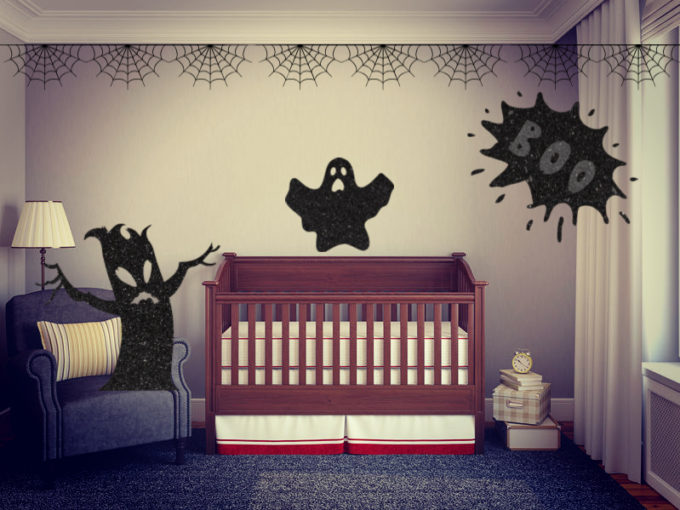
A common misconception among parents is that once a child can fall asleep independently, bedtime will become a peaceful, uneventful affair. This often leads to surprise and sometimes anxiety when children continue to vocalize their displeasure or engage in pre-sleep protests. The author of the original piece humorously suggests that parents may be perceived as "monsters" by their children for the act of placing them in their cribs, highlighting the child’s perspective of being separated from parental presence. This perspective underscores a fundamental truth: the ability to fall asleep independently is a learned skill, distinct from the emotional willingness to engage in the act of sleeping.
Children, as they develop, become increasingly aware of their surroundings and their own desires. The bedtime routine, while designed for their benefit, signifies a transition away from active engagement and towards rest. For many children, this transition is met with apprehension or a desire to prolong their waking hours. This is particularly true after independent sleep has been established because, prior to this stage, children may have been asleep before being placed in their cribs, thus being unaware of the transition itself. Once they are awake and aware, their developing sense of autonomy allows them to voice their objections.

Protesting Bedtime: A Normal Developmental Stage
The act of protesting bedtime, even after independent sleep has been achieved, is a normal and often expected part of a child’s development. This resistance can manifest in various ways, from mild grumbling during the bedtime routine to outright complaints and vocalizations. Parents may observe their child expressing dissatisfaction with activities they previously enjoyed, not because they no longer like them, but because they recognize that these activities ultimately lead to sleep, which they may not be eager to embrace.
Furthermore, parents might worry if their child’s bedtime behavior changes, especially if they previously did not protest. This shift often occurs precisely because the child has achieved independent sleep. Before this milestone, parents might have employed methods like rocking, nursing, or feeding to sleep, placing their child in their crib only when they were deeply unconscious. In such scenarios, the child was not aware of the transition and therefore could not protest. With the advent of independent sleep, the child is conscious and aware of being placed in their sleeping space, opening the door for vocalization of their feelings.
This vocalization is not necessarily a sign of "endless sleep training" but rather a child’s way of expressing their feelings. Just as children may protest wearing winter coats, being strapped into car seats, or receiving vaccinations – actions deemed essential for their health and well-being – they can also protest bedtime. These protests are a reflection of their developing autonomy and their right to express their preferences, even when those preferences do not align with parental decisions that are in their best interest.
"Powering Down to Sleep": Understanding the Pre-Sleep Release
The phenomenon of children expressing themselves vocally at bedtime, even when capable of falling asleep independently, is often referred to as "powering down." This term captures the idea that children may need to release pent-up emotions, energy, or frustrations from the day before they can settle into sleep. This "powering down" phase can range from gentle murmurs to more intense outbursts.
The key differentiator between a normal "powering down" phase and a genuine sleep-related issue lies in its duration. Experts suggest that if a child can fall asleep within approximately 15 minutes of being placed in their crib or bed, even with some vocalization or movement, they are generally doing well. The intensity or volume of the protest is less important than the child’s ability to ultimately transition to sleep within a reasonable timeframe. This period of vocalization can be seen as a child’s way of processing their day and preparing their mind and body for rest.
Data from sleep studies indicates that the transition to sleep is not always instantaneous for individuals of all ages. For children, this period of "powering down" can serve as a necessary psychological buffer. Research in developmental psychology suggests that children’s capacity for emotional regulation is still developing, and bedtime can be a time when they experience heightened emotions due to the end of stimulation and the anticipation of separation. Therefore, allowing a child a short period to express these emotions can, paradoxically, facilitate a smoother transition to sleep.
Defining a Successful Bedtime: Beyond Silence
A successful bedtime, in the context of established independent sleep, is characterized by several key components. Parents are responsible for creating a consistent and nurturing bedtime routine, ensuring a safe and conducive sleep environment, and guiding their child in developing the skill of falling asleep independently. The child’s role, on the other hand, is to fall asleep. It is crucial for parents to understand that a child’s "job" of falling asleep does not necessitate silence.
A successful bedtime is therefore defined not by the absence of sound, but by the child’s ability to ultimately settle into sleep. This includes scenarios where a child might:
- Express mild grumbles or complaints: These are often temporary and are part of the "powering down" process.
- Engage in some tossing and turning: This is normal physical activity as a child adjusts their position before sleep.
- Adjust their sleeping environment: This might include interacting with comfort objects like a stuffed animal, a behavior that can be part of their self-soothing process.
- Vocalize their feelings for a short period: As long as this vocalization leads to sleep within the established timeframe, it is considered within the realm of normal behavior.
The time it takes for any individual to fall asleep varies. For children, this period of transition can be a dynamic one. While some may drift off immediately, others require a brief period to wind down and process their day. The key is that this process concludes with the child falling asleep. Parents are encouraged to accept that their child’s method of transitioning to sleep may differ from idealized expectations.
Troubleshooting Prolonged Bedtime Struggles
While "powering down" for a limited duration is considered normal, persistent difficulties in falling asleep can indicate underlying issues. If a child routinely takes longer than 15 minutes to fall asleep at bedtime, it may suggest that something is hindering their ability to transition effectively. In such cases, parents are advised to seek further guidance. Resources such as comprehensive guides on sleep training and child sleep development can offer valuable strategies for troubleshooting these more persistent bedtime struggles.
These resources often delve into various factors that can impact sleep, including:
- Overtiredness or Undertiredness: An imbalance in a child’s sleep schedule can lead to difficulties settling.
- Anxiety or Fears: As children grow, they may develop anxieties that surface at bedtime.
- Changes in Routine: Disruptions to a child’s established schedule can impact their sleep.
- Environmental Factors: Issues such as light, noise, or temperature in the sleep environment can play a role.
- Dietary or Health Concerns: In some cases, underlying medical conditions or dietary habits might affect sleep.
By understanding the nuances of independent sleep and the natural variations in bedtime behavior, parents can approach this developmental stage with greater confidence and less anxiety. The goal is not to eliminate all pre-sleep vocalizations but to ensure that children develop the essential skill of falling asleep independently, even if their journey to slumber is accompanied by a brief period of "powering down." A child who falls asleep successfully and within a reasonable timeframe, even if not in complete silence, is indeed performing admirably in their developmental task.