

The landscape of children’s literature is undergoing a vital transformation, with an increasing emphasis on reflecting the multifaceted reality of the world in the stories we share with young minds. While beloved classics continue to hold a special place, a growing body of research and anecdotal evidence underscores the profound importance of diverse characters and narratives in books for children. This shift is not merely about inclusivity; it is about fostering empathy, building self-esteem, and preparing children for a globalized society.
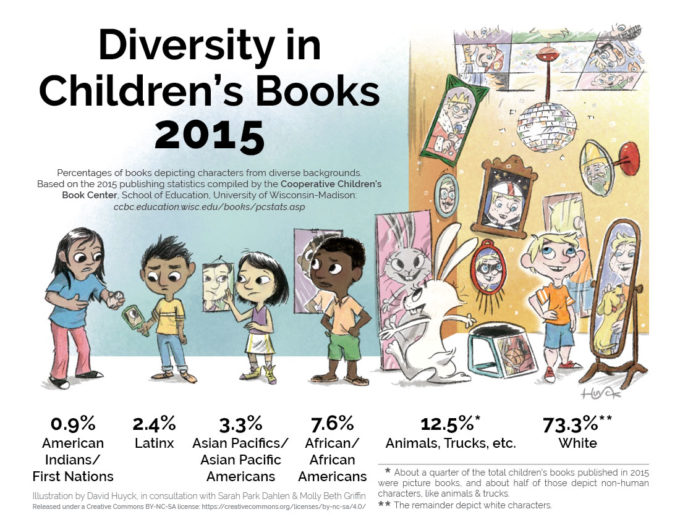
Historically, children’s books have been dominated by a narrow spectrum of representation. Studies have consistently shown a disproportionate number of white, male protagonists. For instance, a 2015 analysis by the Cooperative Children’s Book Center found that only 37.1% of children’s books featured female characters, and a mere 12.6% had animal characters of unspecified gender. Even when protagonists were not human, they were overwhelmingly male. This lack of representation can have significant implications for children who do not see themselves reflected in the stories they consume, potentially leading to feelings of invisibility or marginalization. Conversely, for children from dominant groups, a lack of exposure to diverse perspectives can perpetuate unconscious biases and limit their understanding of the world.
The push for greater diversity in children’s books encompasses a broad range of identities, including race, ethnicity, gender identity, sexual orientation, disability, and socioeconomic background. This intentional inclusion aims to provide windows into the experiences of others, as well as mirrors that validate the identities of all children.
The Evolving Landscape of Children’s Publishing
The recognition of the need for diverse representation has been a gradual but accelerating process within the publishing industry. While specific dates for this "event" are difficult to pinpoint, the conversation has gained significant momentum over the past two decades. In the early 2000s, organizations like We Need Diverse Books (WNDB) emerged, advocating for a more equitable representation of marginalized voices and experiences in children’s literature. Their grassroots efforts, coupled with increased scholarly research and public awareness campaigns, have demonstrably influenced publishing trends.
The impact of this movement is visible in the increasing number of books being published that intentionally feature diverse characters. According to industry reports, while challenges remain, the percentage of books featuring multicultural characters has seen a steady, albeit slow, rise. For example, the annual diversity statistics from the Cooperative Children’s Book Center consistently track these trends, providing valuable data for understanding the progress and areas needing further attention.

Why Diverse Books Matter: Fostering Empathy and Identity
The benefits of diverse children’s books are multi-faceted and extend far beyond simple representation.
Building Empathy and Understanding
When children encounter characters from different backgrounds, cultures, and abilities, they are invited to step into another’s shoes. This exposure cultivates empathy, allowing them to develop a deeper understanding and appreciation for the complexities of human experience. Books can serve as powerful tools for dismantling stereotypes and fostering a sense of global citizenship from an early age. For instance, a story about a child navigating life with a disability can help non-disabled children understand challenges and celebrate resilience, while a child with that same disability can see their experiences validated and celebrated.
Affirming Identity and Belonging
For children who belong to minority groups, seeing characters that share their race, ethnicity, gender identity, or other characteristics can be profoundly affirming. It communicates that their stories matter, that they are seen, and that they belong. This validation is crucial for building self-esteem and a strong sense of identity. Conversely, a lack of representation can inadvertently send the message that their experiences are less important or do not belong in the narrative of childhood.
Preparing for a Diverse World
Our world is inherently diverse. Children will interact with people from all walks of life throughout their lives. Books that reflect this reality equip them with the knowledge and understanding to navigate these interactions with respect and openness. They learn that differences are not to be feared but are sources of richness and learning.
Addressing Historical Underrepresentation
The historical underrepresentation of certain groups in children’s literature is a critical point of context. For decades, the narrative was largely shaped by a dominant cultural perspective. This has left gaps in the stories available to children, particularly those from marginalized communities. The current movement seeks to fill these gaps and provide a more balanced and accurate portrayal of society.
Curated Selections: Diverse Books for Young Readers
The following selections represent a curated list of books that not only offer engaging stories but also champion diversity across various dimensions. These books have been chosen for their literary merit and their ability to foster understanding and connection.
For Babies and Toddlers: Laying the Foundation for Inclusion
The earliest years of a child’s life are critical for developing foundational understandings of the world. Board books and picture books at this stage can introduce concepts of diversity in simple, accessible ways.
-
"Not Quite Narwhal" by Jessie Sima: This charming story introduces Kelp, a creature who feels different. While seemingly a tale of belonging, it subtly explores themes of family and acceptance, showcasing that families come in many forms and that love transcends perceived differences. The gentle narrative and whimsical illustrations make it a favorite for very young children.
-
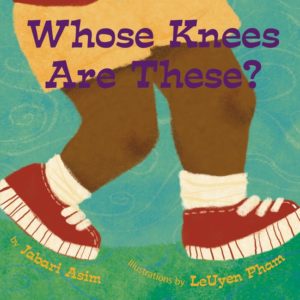
"Whose Knees Are These?" by Struan Reid: This simple board book, often featuring diverse children’s hands and feet, focuses on body parts and movement. Its rhyming text and bright imagery make it engaging for infants and toddlers, offering an early opportunity to see a variety of children in a positive light.
-
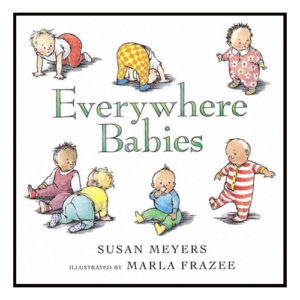
"Everywhere Babies" by Susan Meyers: Illustrated by the acclaimed Caldecott Honor artist Rafael López, this book celebrates the universality of babies. It depicts infants of various races and abilities engaged in everyday activities, highlighting that babies, in all their diversity, are everywhere and share common experiences. The lyrical text and vibrant illustrations resonate with both babies and their caregivers.
-
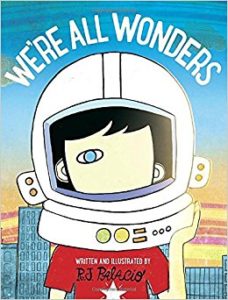
"We’re All Wonders" by R.J. Palacio: Adapted from the beloved novel "Wonder," this picture book introduces the character Auggie Pullman to younger readers. Auggie, who looks different from others, learns that he is a wonder. The book gently teaches about kindness, empathy, and the importance of looking beyond appearances, resonating with children who may feel different for any number of reasons.
For Preschoolers: Exploring Identity and Difference
As children enter preschool, they begin to develop a stronger sense of self and an awareness of the world around them. Books at this age can explore more nuanced themes of identity, belonging, and individuality.
-
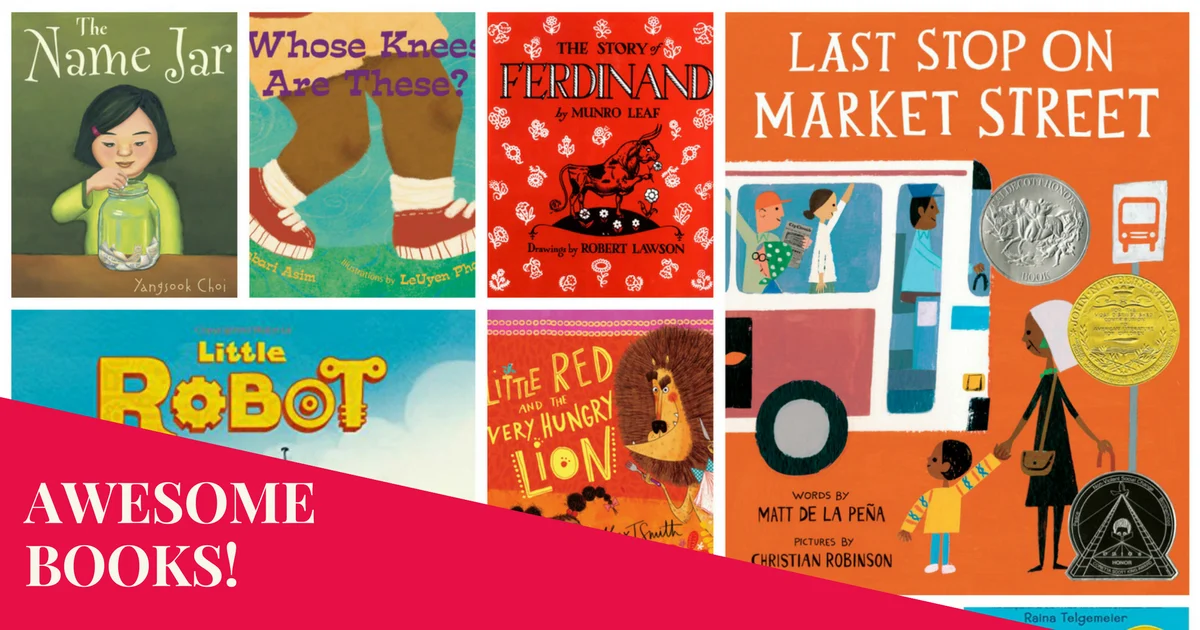
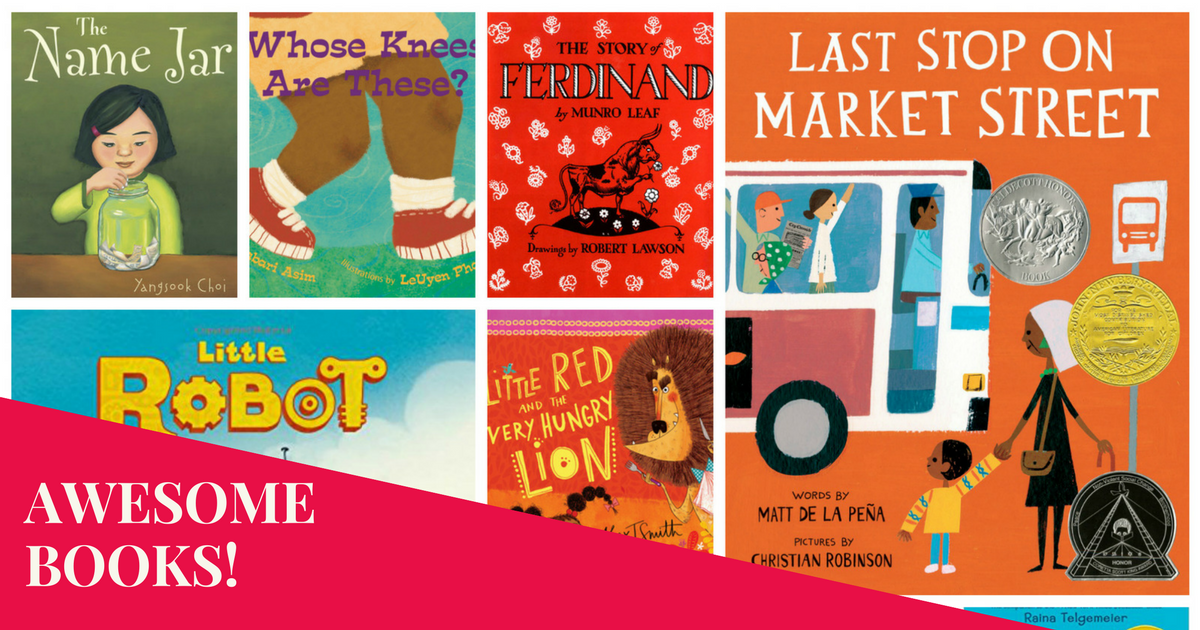
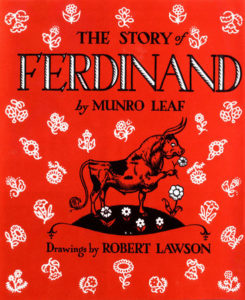
"The Story of Ferdinand" by Munro Leaf: A timeless classic, "The Story of Ferdinand" features a bull who prefers smelling flowers to fighting. Ferdinand’s gentle nature and his refusal to conform to societal expectations make him a unique and lovable character. The book subtly champions individuality and the idea that it’s okay to be different, a powerful message for young children learning to navigate social norms.
-
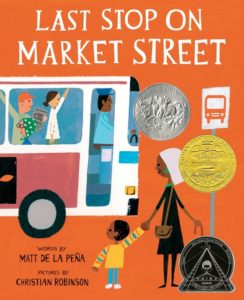
"Last Stop on Market Street" by Matt de la Peña: This Caldecott Medal winner follows CJ and his grandmother on their weekly bus ride. Through their journey, the book beautifully explores themes of community, gratitude, and finding beauty in the everyday. The diverse characters and the intergenerational relationship at its core offer a rich tapestry of human experience, showing the value of different perspectives and the warmth of human connection.
-
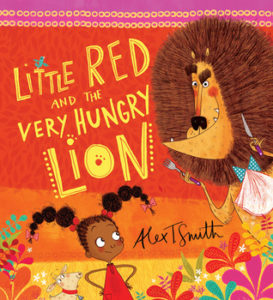
"Little Red and the Very Hungry Lion" by Lyn Miller-Lachmann: A vibrant and humorous retelling of "Little Red Riding Hood," this story is set in a South African jungle and features a brave protagonist. The bold illustrations and a clever twist on the classic tale make it a standout, showcasing cultural adaptation and strong female characters.
-
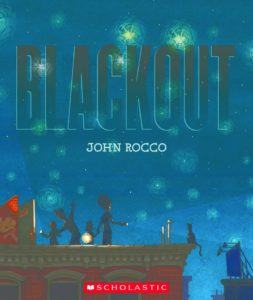
"Blackout" by John Rocco: This Caldecott Honor book uses minimal text and powerful illustrations to tell the story of a family and their community during a blackout. The narrative highlights how a shared experience can bring people together, transcending individual differences. It subtly touches upon themes of interconnectedness and the importance of human relationships.
-
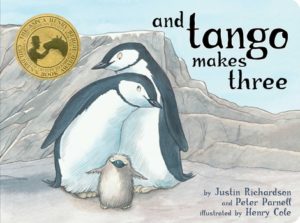
"And Tango Makes Three" by Justin Richardson and Peter Parnell: Based on a true story, this heartwarming book tells the tale of two male penguins at the Central Park Zoo who form a family and raise a chick. It is a pioneering book in introducing same-sex parenting to young children in a natural and affirming way, promoting understanding and acceptance of diverse family structures.
-
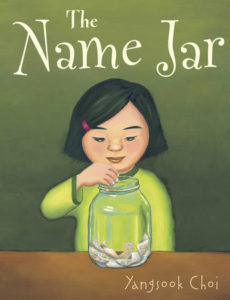
"The Name Jar" by Yangsook Choi: Unhei, a young girl who has recently moved from Korea, worries about her classmates pronouncing her name. She decides to choose an American name from a "name jar" her classmates create. The story gently explores the challenges of immigration, cultural identity, and the welcoming spirit of community. It highlights the beauty of diverse names and the importance of embracing one’s heritage.
-
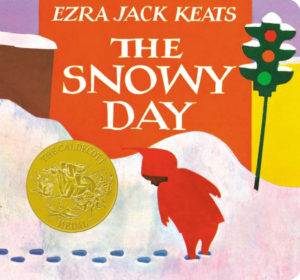
"The Snowy Day" by Ezra Jack Keats: A perennial favorite and winner of the Caldecott Medal, "The Snowy Day" captures the pure joy of a young boy experiencing snow for the first time. Peter, the protagonist, is a Black child, and his adventures in the snow are depicted with simple, evocative illustrations. This book is celebrated for its groundbreaking representation of a Black child in a mainstream children’s book and its universal theme of childhood wonder.
-
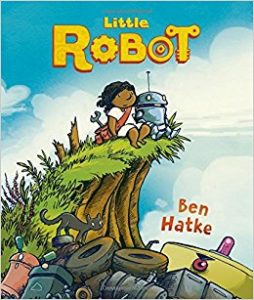
"Little Robot" by Ben Hatke: This wordless picture book tells the story of a small robot who is befriended by a lonely girl. The narrative unfolds through expressive illustrations, emphasizing themes of friendship, connection, and finding belonging, regardless of one’s origin or form. The absence of words allows for a universal interpretation of the emotional journey.
For Bigger Kids: Navigating Complex Themes and Adventures
As children grow, their literary tastes expand, and they can engage with more complex narratives that explore a wider range of social and emotional themes.
-
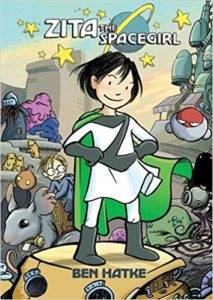
"Zita the Spacegirl" Trilogy by Ben Hatke: This acclaimed graphic novel series follows Zita, a brave and resourceful Earth girl who embarks on an interstellar adventure. The series features a diverse cast of characters, including aliens of various species and sentient creatures. Zita’s loyalty, courage, and ability to form friendships across cultural divides make these books compelling and inspiring for middle-grade readers.
-
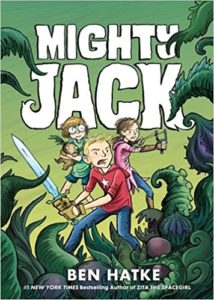
"Mighty Jack" Trilogy by Ben Hatke: A creative reimagining of the Jack and the Beanstalk tale, this series centers on Jack and his sister Maddy, who has autism and is nonverbal. Maddy is a vital character, and her relationship with Jack is central to the plot. The books also touch upon themes of divorce and family dynamics, offering a nuanced portrayal of modern childhood challenges within an action-packed adventure.
-
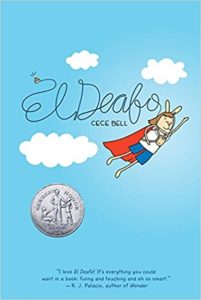
"El Deafo" by Cece Bell: This Newbery Honor-winning graphic novel is a memoir about the author’s childhood experience of losing her hearing. Cece navigates the challenges of being different, finding her voice, and imagining herself as a superhero, "El Deafo." The book tackles themes of disability, friendship, and self-acceptance with humor and honesty, making it relatable and empowering for many readers.
-
"Sisters" by Raina Telgemeier: This popular graphic novel explores the complex relationship between two sisters as they embark on a family road trip. Telgemeier’s work often features relatable adolescent experiences, including sibling rivalry, friendships, and navigating social dynamics. Her books are lauded for their authentic voice and engaging artwork.
-
"Ghost" by Jason Reynolds: This novel, part of the "Track" series, features Castle "Ghost" Cranshaw, a young track athlete dealing with past trauma. The series intentionally includes characters with diverse backgrounds and challenges, such as cystic fibrosis in "Ghost," offering realistic portrayals of resilience and perseverance.
-
"Drama" by Raina Telgemeier: This graphic novel delves into the world of middle school theater and explores themes of friendship, crushes, and the anxieties of growing up. It notably includes a character who is questioning his sexuality, handled with sensitivity and age-appropriateness, reflecting the growing inclusivity in middle-grade fiction.
Analysis of Implications and Future Outlook
The growing availability of diverse books is a positive development with significant implications. It signals a shift in the publishing industry towards greater awareness and responsibility. However, the journey towards truly equitable representation is ongoing. Challenges remain in ensuring that diversity is not performative but deeply integrated into storytelling, with authentic voices and nuanced portrayals.
The demand for these books from parents, educators, and librarians continues to grow, creating a market that incentivizes publishers to invest in diverse talent and stories. The long-term impact of this trend will be a generation of children who are more empathetic, self-assured, and better equipped to understand and appreciate the richness of human diversity.
The commitment to diversity in children’s literature is not a fleeting trend but a fundamental necessity for fostering a more inclusive and understanding world. As we continue to seek out and share these stories, we empower children to see themselves, understand others, and embrace the vibrant tapestry of humanity. The conversation initiated by passionate advocates and reflected in these literary selections promises a brighter, more representative future for the stories that shape young minds.
