


Understanding Infertility: A Medical and Emotional Reality
Infertility is medically defined as the inability to achieve pregnancy after 12 months or more of regular unprotected sexual intercourse. For women over the age of 35, this timeframe is typically shortened to six months, acknowledging the natural decline in fertility with age. This definition, while clinical, barely scratches the surface of the emotional turbulence experienced by individuals and couples. It is a condition that affects millions worldwide, irrespective of socioeconomic status, race, or geography. According to data from the World Health Organization (WHO), an estimated 1 in 6 people globally are affected by infertility, underscoring its widespread impact as a public health issue. In the United States, statistics from the Centers for Disease Control and Prevention (CDC) indicate that approximately 9% of men and 11% of women of reproductive age have experienced fertility problems. These figures highlight that infertility is not an uncommon struggle, yet it often remains shrouded in silence and misunderstanding.

The causes of infertility are diverse and can stem from issues affecting either partner, or a combination of both, with a significant percentage remaining unexplained. Female factors can include ovulation disorders (such as Polycystic Ovary Syndrome or PCOS), blocked fallopian tubes, endometriosis, or uterine abnormalities. Male factors often involve issues with sperm production, function, or delivery, such as low sperm count, poor sperm motility, or abnormal sperm shape. In roughly one-third of cases, infertility is attributed to female factors; in another third, it’s due to male factors. The remaining cases are either a combination of both or are classified as unexplained infertility, where no specific cause can be identified despite thorough investigation. This ambiguity can add another layer of frustration and uncertainty for couples already grappling with the emotional toll of their journey.
The Profound Psychological Impact of Conception Struggles
The phrase "deep feelings of loss" succinctly captures the psychological burden of infertility. For many, the desire to have a child is deeply ingrained, representing a fulfillment of personal identity, a continuation of family lineage, and a shared dream with a partner. When this dream is continually deferred, or seems out of reach, it can trigger a complex grief response. Couples often mourn the loss of the child they envisioned, the "normal" path to parenthood, and even aspects of their own self-image.

The constant cycle of hope and disappointment—tracking cycles, timing intercourse, enduring medical procedures, and then facing negative pregnancy tests—can be emotionally exhausting. This chronic stress can lead to increased anxiety, depression, and even post-traumatic stress symptoms. Relationships, while often strengthened by shared adversity, can also be strained by the emotional rollercoaster, differing coping mechanisms, and the pressure of scheduled intimacy. Socially, couples may feel isolated, struggling to connect with friends and family who are easily conceiving or raising children. The societal expectation to have children, often expressed through well-meaning but insensitive questions, can further exacerbate feelings of inadequacy and shame.
Medical professionals and patient advocacy groups consistently emphasize the critical need for psychological support alongside medical treatment. "Addressing the emotional health of individuals and couples undergoing fertility treatment is as vital as the physical interventions," states Dr. Eleanor Vance, a prominent reproductive psychologist. "Ignoring the mental health aspect can significantly hinder coping mechanisms and overall well-being throughout what is inherently a stressful process." Organizations like the American Pregnancy Association (APA) offer resources such as free helplines and chat services, recognizing that comprehensive care extends beyond clinical procedures to encompass mental and emotional resilience.

Navigating the Diagnostic Pathway: When and How to Seek Help
The first step in addressing conception difficulties is recognizing when to seek professional medical advice. As previously noted, this typically means after one year of unprotected intercourse for women under 35, and after six months for those over 35. However, if there are known risk factors such as irregular periods, a history of pelvic inflammatory disease, endometriosis, or male factor issues, seeking earlier consultation is advisable.
The diagnostic journey usually begins with an initial consultation with a primary care physician or gynecologist, who may then refer the couple to a reproductive endocrinologist – a specialist in infertility. During these initial appointments, a comprehensive medical history will be taken for both partners, covering aspects like menstrual cycles, past pregnancies, sexually transmitted infections, lifestyle habits, and previous medical conditions.

For Women, common fertility tests include:
- Blood Tests: To assess hormone levels, particularly Follicle Stimulating Hormone (FSH), Luteinizing Hormone (LH), estrogen, progesterone, and Anti-Müllerian Hormone (AMH). FSH levels, for instance, are critical indicators of ovarian reserve. High FSH levels can suggest diminished ovarian reserve, impacting fertility, as explored in articles like "How Do FSH Levels Affect Fertility?".
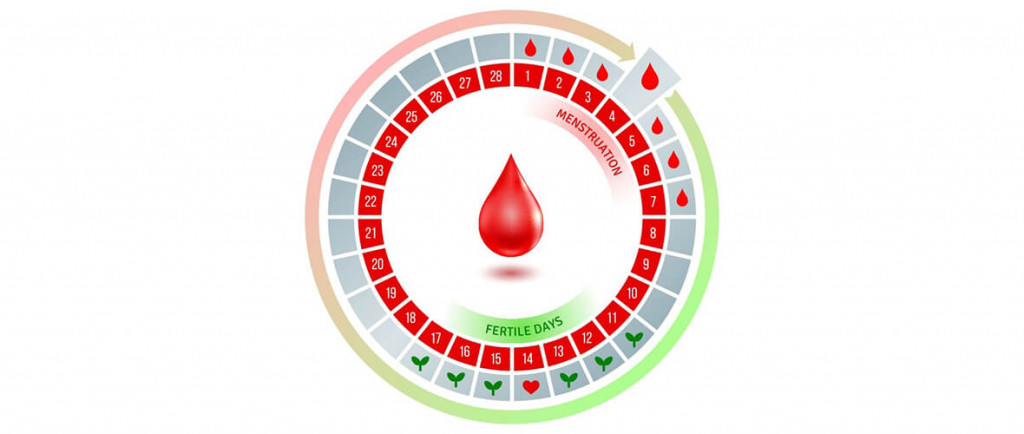
- Ovulation Tracking: Understanding ovulation is fundamental. This can involve basal body temperature charting, ovulation predictor kits, or ultrasound monitoring to confirm the release of a mature egg from the ovary, as detailed in "What is Ovulation?" and "Ovulation: Frequently Asked Questions." Irregular or absent ovulation is a common cause of female infertility.
- Hysterosalpingogram (HSG): An X-ray procedure to check for blockages in the fallopian tubes and assess the shape of the uterus.
- Ultrasound: To visualize the uterus and ovaries, checking for structural abnormalities, fibroids, cysts, or signs of conditions like PCOS.
- Laparoscopy: A minimally invasive surgical procedure to diagnose and sometimes treat conditions like endometriosis, fibroids, or pelvic adhesions that may affect fertility.
For Men, key diagnostic tests include:

- Semen Analysis: This is the cornerstone of male fertility evaluation, assessing sperm count, motility (movement), and morphology (shape). Abnormal results can indicate male factor infertility, prompting further investigation.
- Blood Tests: To check hormone levels (e.g., testosterone, FSH) that influence sperm production.
- Physical Examination: To check for anatomical issues that might affect fertility.
"Comprehensive fertility tests are crucial to pinpointing the underlying causes and formulating an effective treatment plan," explains Dr. Aris Thorne, a fertility specialist at a leading reproductive clinic. "It’s a collaborative process where both partners play an active role in understanding their reproductive health." The article "Fertility Tests" provides a more detailed overview of these diagnostic procedures, emphasizing the importance of a thorough evaluation for both partners to improve the chances of conception.
Exploring Treatment Options: A Spectrum of Hope
Once a diagnosis is established, a range of infertility treatments become available, tailored to the specific causes identified. These options span from lifestyle modifications to advanced reproductive technologies.

Lifestyle Adjustments and Preconception Health:
Before embarking on complex medical interventions, many couples are advised to optimize their general health. This includes maintaining a healthy weight, eating a balanced diet, regular exercise, reducing stress, and avoiding smoking, excessive alcohol consumption, and recreational drugs. For men, preconception health is equally vital, focusing on factors that can impact sperm quality, as highlighted in "Preconception Health For Men." Avoiding certain lubricants that can harm sperm, and opting for "sperm-friendly" alternatives, is another often-overlooked but significant lifestyle change, as discussed in "Fertility Lubricants."
Medications:
For women with ovulation disorders, fertility medications are often the first line of treatment. These include oral medications like clomiphene citrate (Clomid) or letrozole (Femara), which stimulate the ovaries to produce and release eggs. Injectable hormones, known as gonadotropins, may also be used for more potent ovarian stimulation.

Assisted Reproductive Technologies (ART):
When less invasive methods are unsuccessful, or if the diagnosis points to more significant issues, assisted reproductive technologies (ART) come into play.
- Intrauterine Insemination (IUI): Involves placing specially prepared sperm directly into the uterus around the time of ovulation. It is often combined with ovulation-stimulating medications.
- In Vitro Fertilization (IVF): The most common and effective form of ART. IVF involves stimulating the ovaries to produce multiple eggs, retrieving them, fertilizing them with sperm in a laboratory setting, and then transferring the resulting embryos into the uterus. IVF can address a wide range of infertility causes, including blocked fallopian tubes, male factor infertility, and unexplained infertility.
- Other ART Procedures: Include intracytoplasmic sperm injection (ICSI), where a single sperm is injected directly into an egg, often used for severe male factor infertility; and preimplantation genetic testing (PGT), which screens embryos for genetic abnormalities before transfer.
Third-Party Reproduction:
For some couples, using donor eggs, donor sperm, or a gestational carrier (surrogate) becomes a viable path to parenthood, offering hope when genetic or uterine factors prevent biological conception.

The landscape of "Infertility Treatment" is continuously evolving, with advancements offering increasing success rates. However, it is a financially and emotionally demanding journey. The cost of fertility treatments, particularly IVF, can be substantial, often running into tens of thousands of dollars per cycle, and may not be fully covered by insurance. This economic burden adds another layer of stress, forcing many to make difficult decisions about their treatment path.
The Indispensable Role of Support Systems
Navigating infertility is rarely a solitary endeavor. The importance of robust support systems cannot be overstated. Leaning on loved ones, as the initial article snippet suggests, is paramount. Open communication with a partner, family members, and trusted friends can provide an emotional anchor during turbulent times. However, it is equally important for couples to seek professional guidance and connect with others who understand their unique struggles.
Professional Counseling and Therapy:
Reproductive psychologists and counselors specialize in the emotional aspects of infertility. They can help individuals and couples process grief, manage stress, improve communication, and develop coping strategies. Therapy can be a safe space to explore complex emotions, address relationship dynamics, and make informed decisions about treatment paths.
Support Groups and Peer Networks:
Connecting with other individuals or couples experiencing infertility can foster a sense of community and reduce feelings of isolation. Sharing experiences, challenges, and successes with peers who genuinely understand can be incredibly validating and empowering. Many national and local organizations facilitate such groups, both in-person and online.

Online Resources and Helplines:
Organizations like the American Pregnancy Association (APA) offer crucial "Top Resources" such as free live helplines and chat services, providing immediate and accessible support. These resources offer a lifeline for those seeking information, reassurance, or simply a listening ear. The APA’s commitment to ensuring "You’re Never Alone on Your Journey" underscores the comprehensive nature of support needed.
Broader Impact and Implications: Beyond the Individual Couple
The implications of infertility extend beyond the immediate couple, touching upon societal norms, healthcare policies, and economic considerations. The high cost of treatment, for example, highlights significant disparities in access to care. In many regions, fertility treatments are considered elective and are not covered by public or private health insurance, creating a substantial financial barrier for many. This lack of equitable access means that parenthood through fertility treatment often remains a privilege rather than a right, deepening social inequalities. Advocacy efforts are continuously underway to lobby for increased insurance coverage and government funding for fertility services.

Furthermore, the experience of infertility can lead to workplace challenges. The need for frequent medical appointments, often requiring time off work, can impact careers and professional progression, particularly for women. The emotional toll can also affect productivity and focus, though many individuals choose to keep their struggles private due to stigma.
Societally, there is a growing recognition of infertility as a legitimate medical condition, moving away from past perceptions of it being a personal failing or a "woman’s problem." This shift is crucial in fostering a more compassionate and understanding environment for those affected. Public education campaigns, supported by evidence-based articles maintained and verified by organizations like the APA Content Validation Team (with its last revision noted as February 20, 2026, indicating ongoing commitment to current information), play a vital role in dispelling myths and promoting accurate information.

The American Pregnancy Association further offers "Pregnancy Journeys," indicating that their support extends to all stages of pregnancy, including the often-difficult journey to conceive. This holistic approach ensures that individuals and couples feel supported not just in addressing infertility, but also in preparing for and navigating the subsequent stages of family building.
Conclusion: A Path Forward with Hope and Support
The journey of infertility is undoubtedly one of the most challenging experiences a couple can face, characterized by emotional distress, complex medical decisions, and significant financial considerations. However, it is also a journey increasingly met with hope, propelled by advancements in medical science and a growing understanding of its profound human impact.

From initial diagnoses through various treatment options—be it lifestyle adjustments, fertility medications, or advanced procedures like IVF—there are numerous pathways available to help couples achieve their dream of parenthood. Critical to navigating this path successfully is not only access to expert medical care but also a robust support network, including professional counseling, peer groups, and reliable resources. Organizations like the American Pregnancy Association stand as pillars of support, offering vital information and practical assistance, ensuring that no one has to endure this challenging experience alone. As the understanding of infertility continues to evolve, so too does the commitment to provide comprehensive, compassionate, and accessible care for all who aspire to build a family.
