

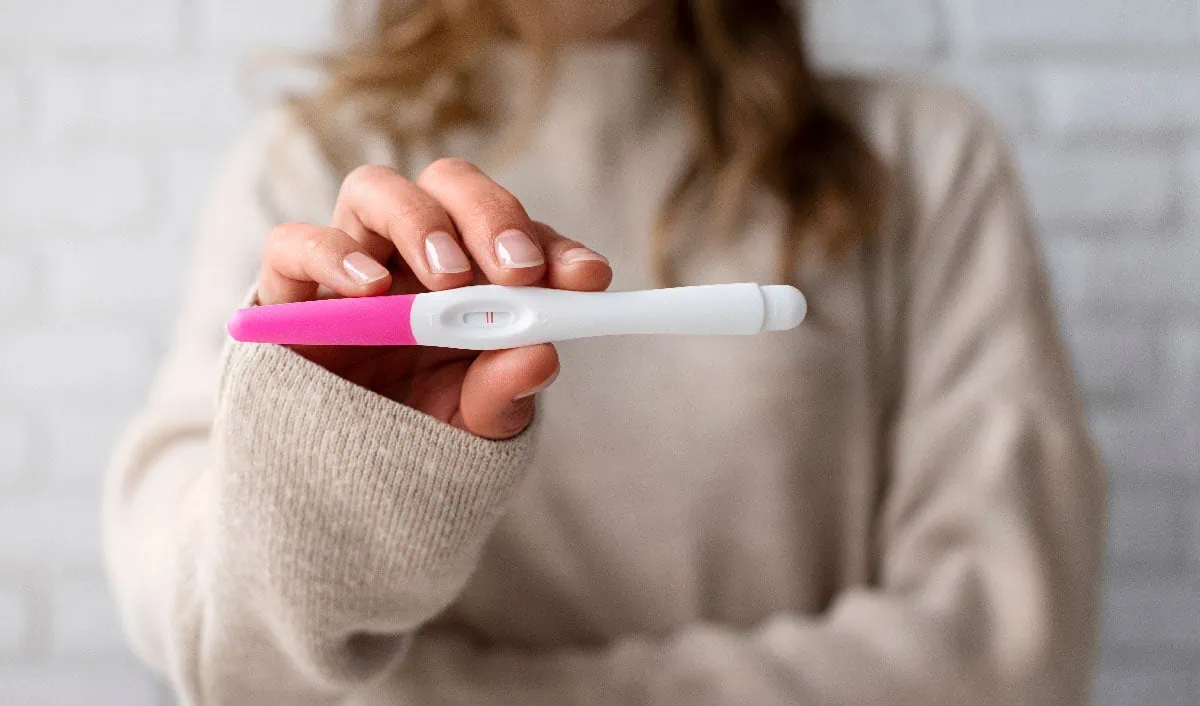
Whether you are eagerly anticipating a new addition to your family or facing uncertainty about a missed period and unfamiliar symptoms, the fundamental question often remains: Am I pregnant? The advent of modern pregnancy tests has revolutionized the ability to answer this question with remarkable speed and accuracy, offering clarity at a pivotal moment. These diagnostic tools, ranging from convenient at-home kits to precise laboratory analyses, are designed to detect a specific hormonal marker that signals the onset of pregnancy. Understanding the nuances of these tests—how they work, their varying sensitivities, and the optimal conditions for their use—is crucial for obtaining reliable results and making informed decisions about your health and future.
The Science of Detection: Understanding Human Chorionic Gonadotropin (hCG)

At the heart of all modern pregnancy tests lies the detection of human chorionic gonadotropin (hCG), a hormone uniquely produced by the body during pregnancy. Often referred to as "the pregnancy hormone," hCG plays a vital role in sustaining a pregnancy. Its production begins shortly after a fertilized egg successfully implants in the uterine wall, typically around 6 to 12 days post-fertilization. The developing placenta, specifically the syncytiotrophoblast cells, is responsible for secreting hCG into the bloodstream and urine.
Once implantation occurs, hCG levels rise rapidly and predictably, doubling approximately every 48 to 72 hours during the first trimester. This exponential increase is what makes it a reliable biomarker for pregnancy detection. The presence of hCG is not only a confirmation of pregnancy but also a key factor in triggering many of the early symptoms that women experience, such as breast tenderness, nausea (morning sickness), and fatigue. The rapid hormonal shift influences various physiological processes, signaling the body to adapt to its new state.
The sensitivity of a pregnancy test refers to the minimum concentration of hCG it can detect, usually measured in milli-international units per milliliter (mIU/mL). Tests with lower mIU/mL values are considered more sensitive and can potentially detect pregnancy earlier. For instance, a test sensitive to 20 mIU/mL can detect pregnancy earlier than one sensitive to 50 mIU/mL. This sensitivity is a critical factor in determining how early a test can provide an accurate result, particularly for those anxious to know as soon as possible.

Types of Pregnancy Tests: Urine vs. Blood
Two primary types of pregnancy tests are available: urine tests, commonly used at home or in clinics, and blood tests, exclusively performed by healthcare professionals. Both rely on detecting hCG but differ significantly in their method, sensitivity, and the information they provide.
Urine Tests (Home Pregnancy Tests – HPTs)

Home pregnancy tests (HPTs) are the most widely accessible and frequently used method for early pregnancy detection. They offer unparalleled convenience, privacy, and speed, delivering results within minutes in the comfort of one’s home. These tests typically come in various formats:
- Dipstick tests: Involve collecting urine in a cup and dipping a test strip into it.
- Midstream tests: Designed to be held directly in the urine stream.
- Cup and dropper tests: Require collecting urine and then using an eyedropper to place a few drops onto a designated area of the test device.
The visual display of results varies, ranging from color changes, the appearance of lines (e.g., a "plus" or two lines), or digital readouts displaying "pregnant" or "not pregnant."
Accuracy of Urine Tests: When used correctly and at the appropriate time, HPTs boast an accuracy rate of approximately 97%. However, several factors can influence their reliability:

- Timing of the Test: Taking the test too early, before hCG levels are sufficiently high, is the most common cause of false negatives.
- Urine Concentration: The first urination of the morning typically contains the highest concentration of hCG, making it the ideal time to test. Diluted urine later in the day can lead to a false negative.
- User Error: Incorrect adherence to instructions, such as not waiting the specified time or letting the test sit too long (leading to evaporation lines), can yield inaccurate results.
- Test Sensitivity: Less sensitive tests (higher mIU/mL) may require higher hCG levels to produce a positive result.
- Expired Tests: The chemical reagents in tests can degrade over time, affecting their accuracy.
Despite these caveats, the advantages of HPTs—their affordability, widespread availability, and immediate results—make them an indispensable first step for many individuals suspecting pregnancy.
Blood Tests
Blood tests for pregnancy are conducted in a medical setting and are generally more sensitive and accurate than urine tests, capable of detecting hCG earlier in pregnancy. There are two main types:

-
Qualitative hCG Blood Test: This test provides a simple "yes" or "no" answer regarding pregnancy. It is typically able to detect hCG as early as 6 to 8 days after ovulation, often before a missed period. Its primary advantage is its higher sensitivity compared to most HPTs.
-
Quantitative hCG Blood Test (Beta-hCG): This is a more detailed test that measures the exact amount of hCG present in the blood. This specific measurement is crucial for several reasons:
- Earlier Detection: It can detect even very low levels of hCG.
- Monitoring Pregnancy Progression: By comparing hCG levels over time (e.g., 48-72 hours apart), healthcare providers can assess if the pregnancy is progressing normally. A slower-than-expected rise in hCG can indicate potential issues such as an ectopic pregnancy or a threatened miscarriage, while unusually high levels might suggest a multiple pregnancy or a molar pregnancy.
- Dating Pregnancy: Although less precise than ultrasound, hCG levels can sometimes help estimate the gestational age.
Advantages of Blood Tests:

- Higher Accuracy and Sensitivity: Blood tests are generally considered 99% accurate and can detect pregnancy earlier than urine tests.
- Quantitative Data: The quantitative test provides precise hCG levels, offering valuable insights into the health and progression of the pregnancy.
- Reduced User Error: Performed by medical professionals, eliminating the risk of incorrect technique.
Disadvantages of Blood Tests:
- Invasiveness: Requires a blood draw, which can be uncomfortable for some.
- Time to Results: While often faster than waiting for hCG levels to rise enough for an HPT, results are not immediate and require laboratory processing, typically taking hours to a day.
- Cost: Generally more expensive than HPTs and may require a doctor’s visit co-pay.
- Accessibility: Not as readily available as HPTs, requiring an appointment with a healthcare provider.
Optimal Timing for Reliable Results
The timing of a pregnancy test is paramount to its accuracy. While many at-home tests claim to offer results days before a missed period, medical professionals often advise a more conservative approach to minimize the chance of a false negative.

- For Home Pregnancy Tests: The American Pregnancy Association, through the experience of its nurses and pregnancy educators, recommends waiting until at least seven days after a missed period. This recommendation stems from the understanding that a woman’s menstrual cycle can naturally vary, with periods considered normal even if they start up to seven days before or after the expected due date. Waiting allows sufficient time for hCG levels to accumulate in the urine, making detection more likely. Most women ovulate around day 14 of their cycle, and hCG typically becomes detectable around 11-12 days post-ovulation. Given that a period usually arrives about 14 days after ovulation, waiting a full week past the missed period ensures hCG has had ample time to rise.
- For Blood Tests: Due to their higher sensitivity, qualitative blood tests can often detect pregnancy as early as 6 to 8 days post-ovulation, potentially before a missed period. Quantitative blood tests can provide even earlier indications.
Maximizing Accuracy: Best Practices
- Use First Morning Urine: This ensures the highest concentration of hCG.
- Follow Instructions Carefully: Read the test kit instructions thoroughly and adhere to the specified waiting time. Do not read the result after the recommended window, as evaporation lines can appear and be mistaken for a positive result.
- Check Expiration Dates: Ensure the test is not expired.
- Consider a Second Test: Many HPTs come in packs of two. If you get a negative result but still suspect pregnancy, wait a few days to a week and retest, especially if your period hasn’t arrived.
Interpreting Your Results: Positive, Negative, and Ambiguous
Understanding what your test result signifies is the next crucial step.

Positive Result: A positive result on any pregnancy test indicates the presence of hCG in your system. This hormone is produced when a fertilized egg implants in the uterine lining, signifying that you are pregnant. Even a faint line on an HPT usually indicates a positive result, though its lightness can sometimes correlate with lower hCG levels, meaning it’s very early in the pregnancy.
Negative Result: A negative result can be more ambiguous. It might mean one of three things:
- You are not pregnant.
- You took the test too early. Your body may not have produced enough hCG yet for the test to detect.
- You took the test incorrectly. User error, such as not following instructions or using diluted urine, can lead to a false negative.
If you receive a negative result but continue to experience pregnancy symptoms (missed period, nausea, breast tenderness, fatigue) or your period remains absent, it is advisable to retest in a few days or seek a blood test from your doctor.

Evaporation Lines and False Positives/Negatives:
- Evaporation Lines: These are faint, colorless lines that can appear in the test window after the urine has evaporated. They are not a positive result and can cause confusion. True positive lines typically have color and appear within the designated reaction time.
- False Negatives: These are far more common than false positives and are almost always due to testing too early or incorrect test usage.
- False Positives: While rare, false positives can occur. Possible causes include:
- Chemical Pregnancy: A very early miscarriage where a fertilized egg implants and produces hCG but does not develop further.
- Ectopic Pregnancy: The fertilized egg implants outside the uterus, still producing hCG.
- Certain Medications: Fertility drugs containing hCG can lead to false positives.
- Molar Pregnancy: A rare complication where an abnormal growth forms in the uterus instead of a healthy fetus, producing high levels of hCG.
- Recent Miscarriage or Abortion: hCG can remain in the system for some time after pregnancy loss or termination.
- Rare Medical Conditions: Certain ovarian cysts or tumors can produce hCG.
The Broader Context: Early Detection and Implications
The confirmation of pregnancy, whether anticipated or unexpected, opens the door to a cascade of considerations and actions. Early and accurate detection through reliable pregnancy tests holds significant implications for maternal and fetal health, as well as for personal decision-making.

Early Prenatal Care: A positive pregnancy test is the first step towards initiating prenatal care. Early access to medical guidance is crucial for optimizing maternal health, identifying and managing potential risks, and promoting healthy fetal development. Healthcare providers can offer advice on nutrition, supplements (like folic acid), lifestyle adjustments, and screenings for various conditions, all of which are vital during the initial stages of pregnancy.
Unplanned Pregnancy and Support: For those facing an unplanned pregnancy, a positive test result can be overwhelming, leading to a complex array of emotions from shock and anxiety to fear and confusion. It is vital to remember that you are not alone. Organizations like the American Pregnancy Association (APA) offer confidential support and resources. Their helpline (1-800-672-2296) and chat services connect individuals with pregnancy educators who can provide unbiased information about all available options—parenting, adoption, or abortion—and help locate nearby pregnancy centers offering free pregnancy tests, verification, and comprehensive support services. The emotional and psychological support during this time is as important as the medical information.
Emotional Impact: The journey from suspecting pregnancy to confirming it is often fraught with emotional intensity. For those trying to conceive, a positive result brings joy and relief. For others, it might usher in a period of intense deliberation and planning. Conversely, a negative result can bring disappointment or, for some, profound relief. Regardless of the outcome, understanding the result clearly and having access to appropriate support systems is paramount.

Historical Context of Pregnancy Testing
While modern pregnancy tests are a relatively recent innovation, the quest for early pregnancy detection spans millennia. Ancient Egyptians, for example, reportedly used a method involving urine being poured on wheat and barley seeds; if the seeds sprouted, pregnancy was indicated. Interestingly, research in 1963 found this method to be 70% accurate, as pregnant women’s urine sometimes stimulated growth.
The early 20th century saw the development of more scientific, though still rudimentary, methods. The Aschheim-Zondek (A-Z) test in the late 1920s involved injecting a woman’s urine into immature female mice; if the mice showed ovarian changes, she was pregnant. Later, the "rabbit test" (Friedman test) used rabbits in a similar manner. These animal tests, while revolutionary for their time, were expensive, time-consuming, and required sacrificing animals.

The real breakthrough came with the discovery of hCG and the development of immunoassay techniques in the mid-20th century. The first home pregnancy test became available in the late 1970s, making detection accessible, private, and rapid, transforming the landscape of reproductive health. This historical progression underscores the continuous human endeavor to understand and navigate the complexities of reproduction.
Conclusion
Pregnancy tests are powerful tools providing rapid insights into one of life’s most profound changes. Whether through the convenience of a home urine test or the precision of a clinical blood test, the detection of hCG serves as a clear biological signal. While these tests offer high accuracy, their reliability hinges on correct usage and appropriate timing. For anyone navigating the uncertainties of potential pregnancy, understanding the science behind these tests, adhering to best practices for their use, and knowing where to seek further medical and emotional support are essential steps. The American Pregnancy Association and healthcare providers stand as vital resources, ensuring that individuals receive accurate information, comprehensive care, and compassionate guidance throughout their unique journeys.
