

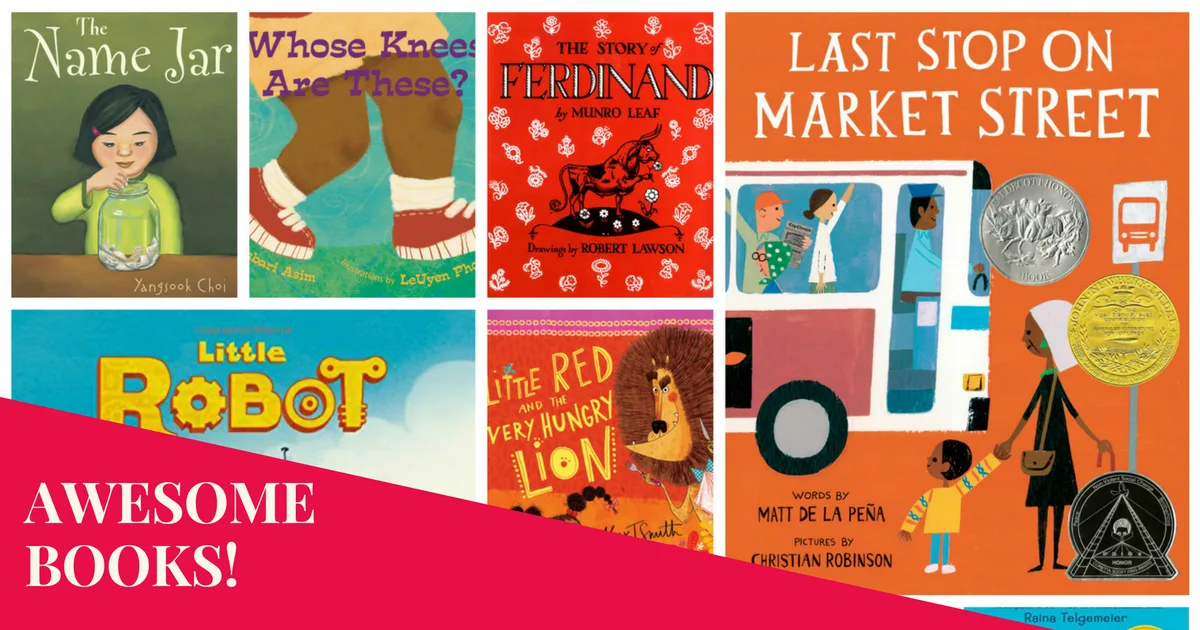
The landscape of children’s literature has long been dominated by a narrow spectrum of characters, predominantly white and male. This pervasive homogeneity, as supported by various studies, has prompted a growing call for greater diversity in the stories shared with young audiences. While personal anecdotes and beloved favorites form the genesis of many book recommendations, a deeper examination reveals the critical need for narratives that reflect the multifaceted world children inhabit. This article explores the significance of diversity in children’s books and presents a curated selection of titles that champion representation across race, gender, disability, and sexuality, offering a richer and more inclusive reading experience for children of all ages.
The Need for Inclusive Storytelling: A Statistical Overview
Research consistently highlights a significant disparity in the representation of diverse characters in children’s books. For instance, a 2015 study by the Cooperative Children’s Book Center (CCBC) at the University of Wisconsin-Madison found that only 37% of children’s books published in 2015 featured a main character of color. While this represented an increase from previous years, it still signifies a substantial underrepresentation. Further analysis from the same study indicated that characters with disabilities were even more scarce, appearing in less than 1% of books. Similarly, the representation of LGBTQ+ characters has historically been minimal, though recent years have seen a slow but steady rise in their inclusion.
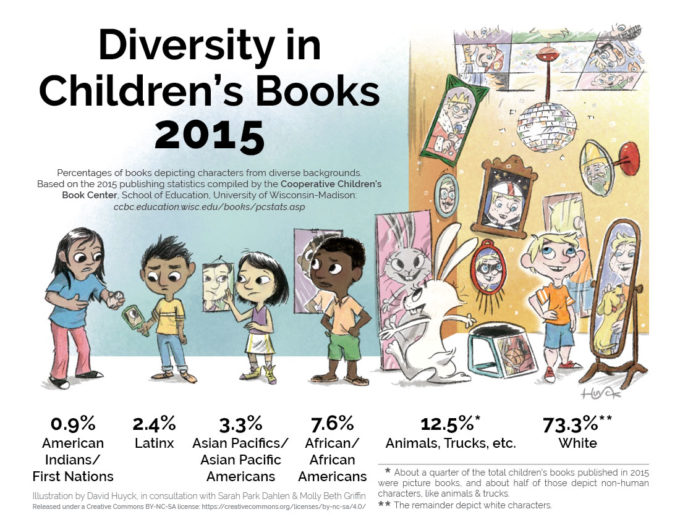
This lack of representation is not merely an academic concern; it has tangible implications for child development and societal understanding. Children’s books serve as powerful tools for shaping perceptions, fostering empathy, and building a sense of belonging. When children see themselves and their communities reflected in the stories they read, it validates their experiences and reinforces their identities. Conversely, the absence of diverse characters can lead to feelings of invisibility and marginalization for children from underrepresented groups. For children who do not belong to these groups, exposure to diverse narratives cultivates a broader understanding of the world, combats stereotypes, and promotes empathy and respect for others.
A historical perspective reveals that the push for diversity in children’s literature has been a gradual but persistent movement. Early children’s books often perpetuated societal norms and biases of their time. However, as society evolved and awareness of social justice issues grew, so too did the demand for more inclusive storytelling. Activist groups, educators, and authors have been at the forefront of this movement, advocating for greater representation and challenging the status quo within the publishing industry. This ongoing dialogue has led to a more conscious effort by many publishers and authors to create books that mirror the rich tapestry of human experience.

Curated Selection: Diverse Books for Every Age Group
The following selection aims to highlight books that not only offer engaging narratives and compelling characters but also champion diversity in meaningful ways. These titles have been chosen for their literary merit and their ability to introduce young readers to a wider spectrum of human experiences.
Books for Babies and Toddlers: Laying the Foundation for Understanding
The earliest introductions to books are crucial for a child’s cognitive and emotional development. Board books designed for this age group often focus on simple concepts, familiar routines, and engaging visuals. Incorporating diversity at this stage helps normalize differences from the outset.
-
Not Quite Narwhal by Jessie Sima: This charming story introduces Kelp, a narwhal who feels different. While seemingly a tale about embracing individuality, it ultimately celebrates the encompassing love of family, demonstrating that family can come in many forms. The book’s gentle narrative and endearing illustrations make it a perfect introduction to themes of belonging and acceptance for the youngest readers.
-
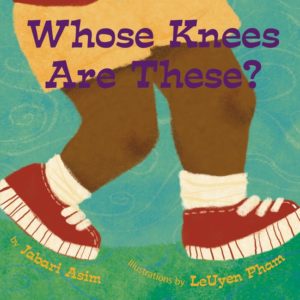
Whose Knees Are These? by Rabia G. Sultan: A simple yet effective board book that uses playful rhymes to introduce body parts. The book’s inclusive imagery, depicting a variety of children, subtly reinforces the idea that children come in different shapes, sizes, and appearances, all of whom have knees. This early exposure to varied human forms is fundamental in building a foundation of acceptance.
-
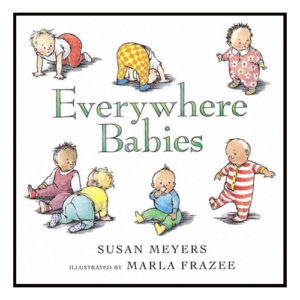
Everywhere Babies by Susan Meyers, illustrated by Rafael López: This book, with its vibrant and engaging illustrations, showcases babies from all walks of life. It celebrates the universal experiences of infancy – sleeping, playing, eating, and growing – through the lens of a diverse group of babies and their caregivers. The artwork, in particular, is lauded for its rich detail and authentic portrayal of different ethnicities and family structures, making it a visually stimulating and inclusive choice.
-
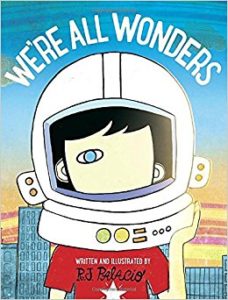
We’re All Wonders by R.J. Palacio: Adapted from the beloved chapter book Wonder, this picture book introduces Auggie Pullman, a child with facial differences, to a younger audience. The story emphasizes that everyone is unique and special, encouraging kindness and understanding towards those who may look different. It tackles themes of difference and acceptance in a gentle, age-appropriate manner, promoting empathy from a tender age.
Books for Preschoolers: Exploring Identity and the World Around Them
As children enter preschool, their understanding of the world expands, and they begin to explore their own identities and relationships with others. Books at this stage can introduce more complex themes and characters.
-
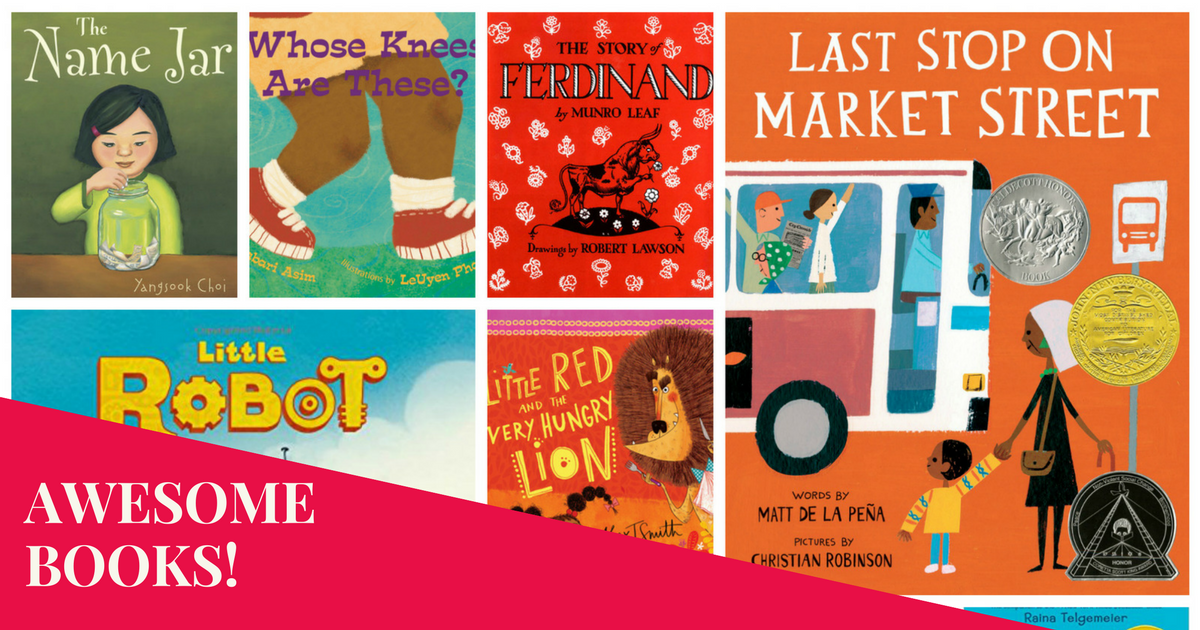
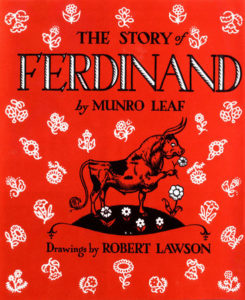
The Story of Ferdinand by Munro Leaf: A timeless classic, The Story of Ferdinand challenges traditional gender roles and expectations. Ferdinand, a bull who prefers smelling flowers to fighting, demonstrates that it is acceptable to be different and to follow one’s own path, even if it deviates from societal norms. Its enduring popularity speaks to its powerful message of non-conformity and gentle strength.
-
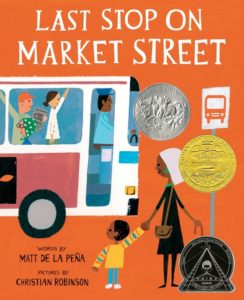
Last Stop on Market Street by Matt de la Peña, illustrated by Christian Robinson: This Caldecott Medal winner follows CJ and his grandmother on their weekly bus ride. Through their interactions, the book beautifully explores themes of community, gratitude, and appreciating the everyday. The vibrant illustrations by Christian Robinson depict a diverse urban landscape and a range of characters, offering a rich visual representation of a multicultural society and highlighting the beauty found in ordinary life and human connection.
-
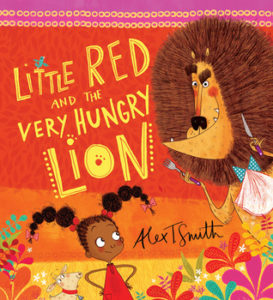
Little Red and the Very Hungry Lion by Alex Smith: A delightful twist on the classic Little Red Riding Hood, this version is set in the African jungle and features an empowered Little Red. The story celebrates bravery, resourcefulness, and family ties while offering a vibrant and culturally rich setting. Its humor and engaging plot make it a favorite for both children and adults.
-
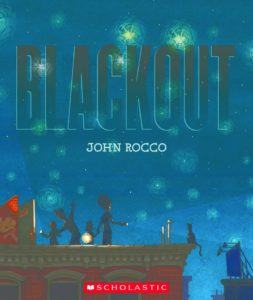
Blackout by John Rocco: This Caldecott Honor book uses minimal text and striking illustrations to tell the story of a family whose summer evening is disrupted by a power outage. The blackout forces the family to put down their devices and connect with each other and their neighbors. It subtly touches upon themes of family dynamics, community, and the impact of technology, all within a visually dynamic narrative.
-
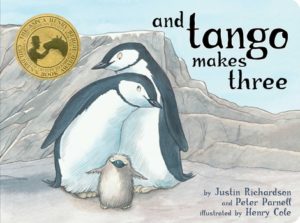
And Tango Makes Three by Justin Richardson and Peter Parnell, illustrated by Henry Cole: Based on a true story, this heartwarming book tells the tale of two male penguins at the Central Park Zoo who form a family. It is a foundational book for introducing same-sex relationships and the concept of diverse family structures to young children in a natural and accessible way. Its simple narrative underscores the universal theme of love and family.
-
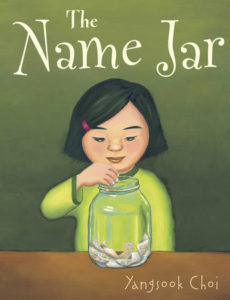
The Name Jar by Yangsook Choi: This book addresses the challenges faced by children who are new to a country and a different culture. Unhei, who has moved from Korea, worries about her name being difficult for her new classmates to pronounce. The story gently explores themes of cultural identity, belonging, and the importance of embracing one’s heritage. It also highlights the power of curiosity and the potential for kindness in creating an inclusive environment.
-
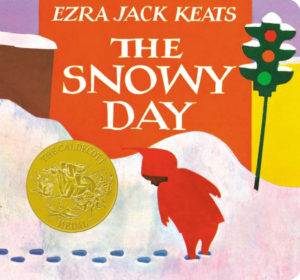
The Snowy Day by Ezra Jack Keats: A landmark in children’s literature, The Snowy Day features an African American protagonist, Peter, enjoying a snow day in his neighborhood. Published in 1962, it was groundbreaking for its simple yet profound depiction of a Black child as the central figure in an everyday, joyous experience. Its Caldecott Medal win affirmed its artistic merit and its significance in diversifying the characters featured in children’s books.
-
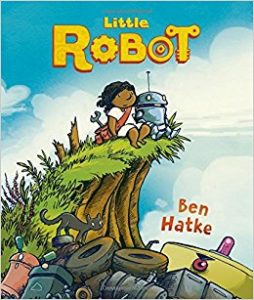
Little Robot by Ben Hatke: This wordless graphic novel tells the story of a lonely little robot who is befriended by a kind and curious girl. The absence of words allows for a universal appeal, focusing on themes of friendship, connection, and overcoming isolation. The beautiful illustrations convey a powerful emotional narrative, demonstrating how relationships can transcend differences.
Books for Bigger Kids: Navigating Complex Themes and Identity
As children grow, their reading interests mature, and they can engage with more complex narratives, including those that delve into nuanced social issues and personal growth.
-
Zita the Spacegirl series by Ben Hatke: This captivating series follows Zita, a brave and resourceful Earth girl, on her adventures across the galaxy. The books are celebrated for their strong female protagonist, engaging plotlines, and humorous interactions. They subtly introduce themes of courage, loyalty, and problem-solving in fantastical settings, making them accessible and exciting for middle-grade readers. Hatke’s work consistently features well-developed characters and imaginative worlds.
-
Mighty Jack series by Ben Hatke: A creative retelling of Jack and the Beanstalk, this series introduces Maddy, Jack’s sister, who has autism and is nonverbal. Maddy is a central character, and her relationship with Jack is integral to the story. The books also explore themes of divorced households and mother-son relationships, offering a nuanced portrayal of family dynamics. The graphic novel format, filled with adventure and fantasy elements, makes it highly engaging for young readers.
-
El Deafo by Cece Bell: This Newbery Honor-winning graphic novel memoir tells the story of the author’s childhood experience of losing her hearing and her imaginative journey of creating a superhero persona, "El Deafo." The book honestly addresses the challenges of being different, finding acceptance, and navigating social situations. It blends humor with poignant reflections on pain, difference, and the power of self-acceptance.
-
Sisters by Raina Telgemeier: Raina Telgemeier’s books, including Sisters, are immensely popular among middle-grade readers. Sisters explores the complex relationship between two siblings during a family road trip. It delves into themes of sibling rivalry, family dynamics, and personal growth with relatable humor and authentic dialogue. Telgemeier’s ability to capture the nuances of childhood experiences, including crushes and friendships, resonates deeply with her audience. Other works by Telgemeier, such as Ghost (featuring a protagonist with cystic fibrosis) and Drama (addressing themes of unrequited crushes and a character questioning his sexuality), further expand the spectrum of diverse experiences represented in her bibliography.
Broader Implications and Future Directions
The increasing availability of diverse books is a positive development, but challenges remain. The publishing industry’s commitment to inclusivity needs to be sustained and amplified. This includes not only featuring diverse characters but also ensuring that diverse authors and illustrators are given platforms and opportunities to share their stories. Furthermore, educators and parents play a vital role in actively seeking out and sharing these books with children, fostering critical thinking about representation and promoting a broader understanding of the world.
The ongoing dialogue around diversity in children’s literature is essential for creating a future where all children can see themselves reflected in the stories they love. By championing these inclusive narratives, we equip the next generation with the empathy, understanding, and respect necessary to navigate an increasingly diverse and interconnected world. The journey towards complete representation is ongoing, and the continued exploration and promotion of diverse books are crucial steps in this vital endeavor. As more voices contribute to this rich tapestry of stories, children’s literature will undoubtedly become a more accurate, inspiring, and empowering reflection of our global community.
