

The landscape of children’s literature, while rich with imagination and wonder, has long grappled with a significant deficit in diverse representation. Studies and reports consistently highlight a pervasive underrepresentation of characters of color, girls, individuals with disabilities, and LGBTQ+ individuals in the books that shape young minds. This disparity is not merely an aesthetic concern; it carries profound implications for a child’s developing sense of self, their understanding of the world, and their capacity for empathy and inclusion. While many beloved children’s books continue to feature predominantly white, male protagonists, a growing movement advocates for a more inclusive narrative, one that mirrors the multifaceted reality of contemporary society. This curated selection aims to provide parents, educators, and caregivers with a starting point for discovering exceptional books that not only entertain but also champion diversity across race, gender, ability, and sexuality, fostering a more equitable and understanding generation.
The Stark Reality: A Landscape of Underrepresentation
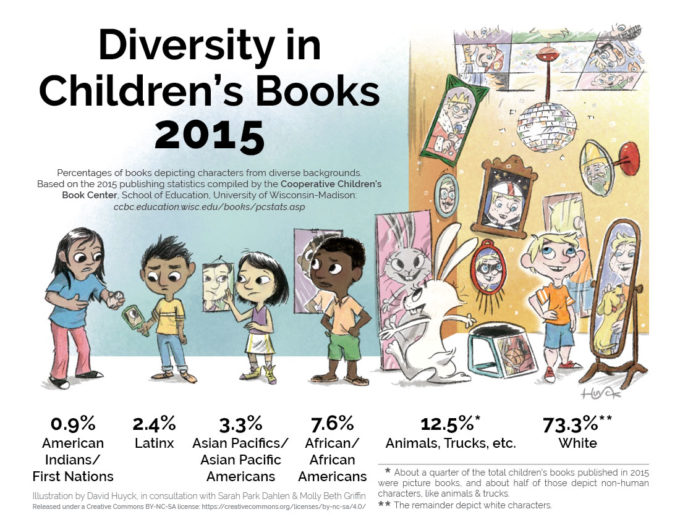
The importance of diverse representation in children’s books cannot be overstated. Research from organizations like the Cooperative Children’s Book Center (CCBC) at the University of Wisconsin-Madison has repeatedly documented the significant imbalance. For instance, a 2018 report indicated that only a small percentage of children’s books published featured characters of color, a figure that has seen only marginal improvement in subsequent years. Similarly, studies analyzing gender representation often reveal that male characters outnumber female characters, even in books where the protagonist is an animal or an anthropomorphic figure, perpetuating a subtle but persistent bias. The invisibility of characters with disabilities and LGBTQ+ individuals in mainstream children’s literature further exacerbates this issue, leaving many children without mirrors to their own experiences or windows into the lives of others.
This lack of representation is not a benign oversight. When children primarily encounter characters that do not reflect their own identities, it can lead to feelings of marginalization and invisibility. Conversely, exposure to diverse characters can foster a sense of belonging, validate their experiences, and cultivate a broader understanding and acceptance of others. As noted by Dr. Rudine Sims Bishop, a renowned scholar of multicultural children’s literature, books can serve as "windows" into other worlds and "mirrors" for children to see themselves. When these mirrors are absent or distorted, the impact on a child’s self-esteem and social development can be significant.
A Movement Towards Inclusivity: Identifying Exemplary Titles

In response to this pressing need, a wealth of authors and illustrators are creating books that celebrate diversity in all its forms. These works are not simply didactic tools; they are engaging, beautifully crafted stories that resonate with children on an emotional and intellectual level. The following selection highlights titles that have been recognized for their literary merit and their commitment to presenting a more accurate and inclusive portrayal of the world.
Books for Babies and Toddlers: Building Foundations of Belonging
For the youngest readers, board books offer a crucial entry point into the world of storytelling and early literacy. These books are designed to withstand the rigmarole of little hands while introducing fundamental concepts and characters.
-
"Not Quite Narwhal" by Jessie Sima: This charming story follows Kelp, a creature who has always felt a little different. While it can be interpreted as a tale of embracing individuality, its underlying message of unconditional family love and acceptance is profound. The book’s gentle narrative and endearing illustrations make it a perfect introduction to themes of belonging for toddlers.
-
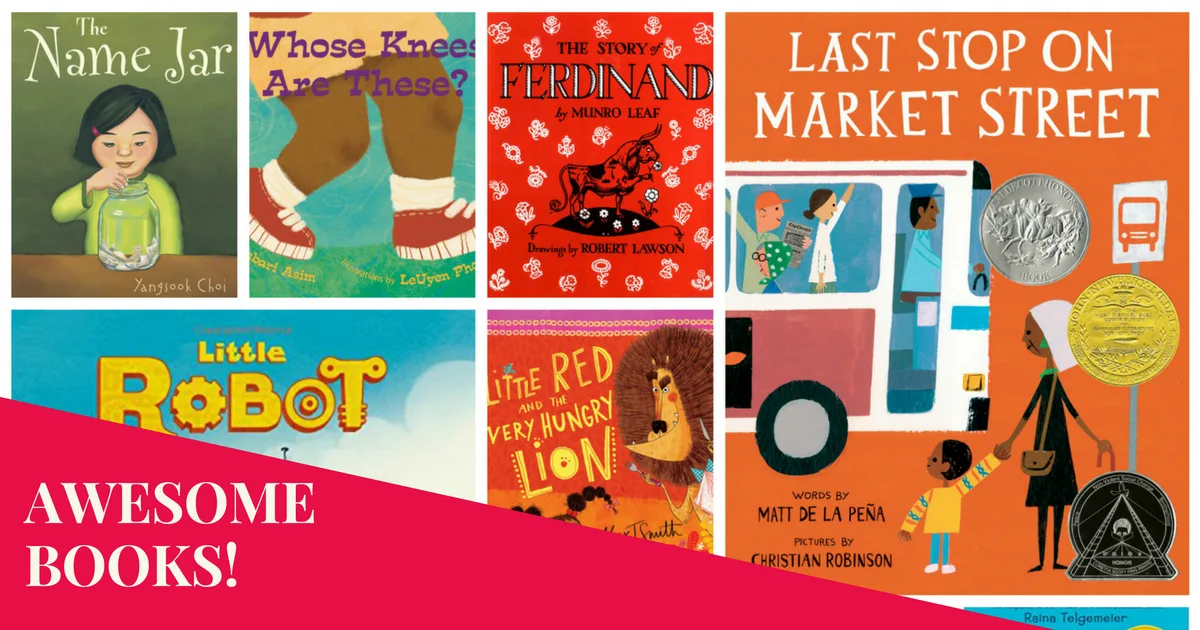
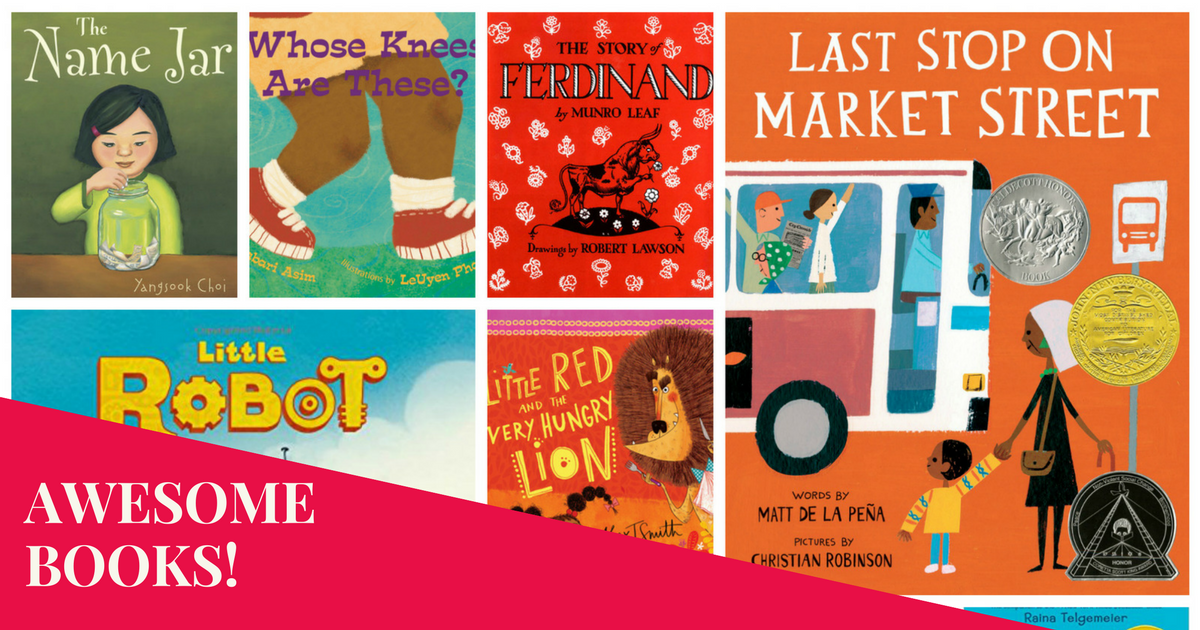
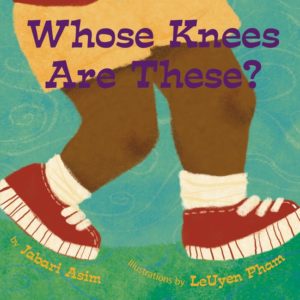
"Whose Knees Are These?" by Sundee T. Frazier: A simple yet effective board book, this title uses playful rhymes to help young children identify body parts. Its appeal lies in its straightforward approach and the inherent joy of discovery that comes with learning about oneself. The diverse portrayal of children in the illustrations reinforces the idea that bodies come in all shapes and sizes.
-
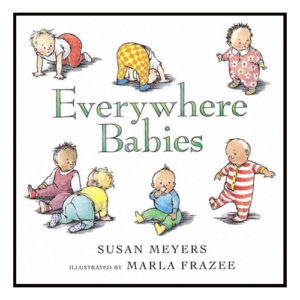
"Everywhere Babies" by Susan Meyers, illustrated by Marsha Gray: This book, illustrated by the same artist behind the Caldecott Honor book "All the World," offers a heartwarming glimpse into the lives of babies from various backgrounds. With its vibrant illustrations and simple, lyrical text, "Everywhere Babies" celebrates the universality of infancy while showcasing a beautiful spectrum of races and family structures. It’s a testament to the idea that babies, in all their diversity, are cherished and celebrated.
-
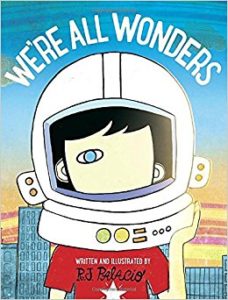
"We’re All Wonders" by R.J. Palacio: Adapted from the beloved chapter book "Wonder," this picture book introduces the character of Auggie Pullman to a younger audience. Auggie, who looks different from his peers, navigates the challenges of public school and the complexities of social interaction. "We’re All Wonders" beautifully conveys the message of kindness and acceptance, emphasizing that everyone is wonderful in their own unique way, making it an invaluable tool for fostering empathy in preschoolers.
Books for Preschoolers: Expanding Worldviews
As children enter the preschool years, their capacity for understanding more complex narratives and social dynamics grows. This stage is critical for introducing them to a wider range of perspectives and experiences.
-
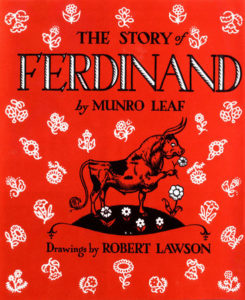
"The Story of Ferdinand" by Munro Leaf, illustrated by Robert Lawson: A timeless classic, "The Story of Ferdinand" tells the tale of a bull who prefers smelling flowers to bullfighting. Ferdinand’s gentle nature and refusal to conform to societal expectations make him a relatable character for children who may feel like they don’t fit a particular mold. The book’s enduring popularity speaks to its powerful message of individuality and non-violence.
-
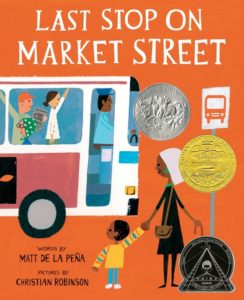
"Last Stop on Market Street" by Matt de la Peña, illustrated by Christian Robinson: This Caldecott Medal winner follows a young boy and his grandmother on their weekly bus ride through the city. Through their conversations and observations, the book explores themes of community, gratitude, and finding beauty in the everyday. The vibrant illustrations by Christian Robinson capture the diverse tapestry of urban life, making it a rich and meaningful read.
-
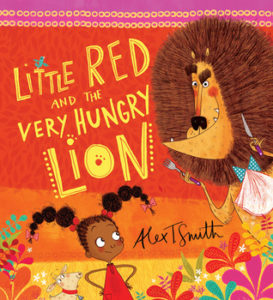
"Little Red and the Very Hungry Lion" by Alexia Purdy, illustrated by Lauren Stringer: A delightful twist on the classic "Little Red Riding Hood," this version is set in the African jungle and features a brave young girl and a not-so-menacing lion. The story’s humor, vibrant illustrations, and happy ending offer a fresh and engaging take on a familiar fairy tale, highlighting cultural adaptation and playful subversion.
-
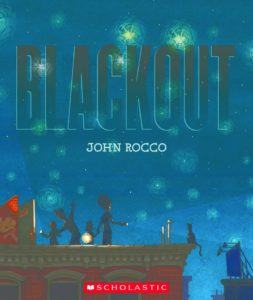
"Blackout" by John Rocco: This Caldecott Honor book uses minimal text and striking illustrations to tell the story of a family’s experience during a city-wide power outage. The blackout forces a family, initially disconnected by their devices, to come together and connect with their community. It’s a powerful visual narrative that speaks to the importance of human connection and shared experience, subtly hinting at the diverse lives coexisting within a city.
-
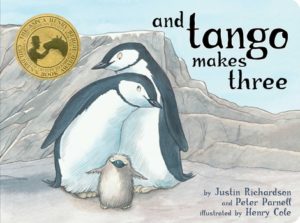
"And Tango Makes Three" by Justin Richardson and Peter Parnell, illustrated by Henry Cole: Based on a true story, this heartwarming book introduces readers to two male penguins at the Central Park Zoo who form a pair and are given an egg to raise. "And Tango Makes Three" is a significant contribution to LGBTQ+ representation in children’s literature, offering a gentle and accessible narrative about family, love, and acceptance. Its existence challenges the traditional, heteronormative family structures often presented in early readers.
-
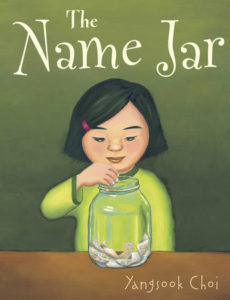
"The Name Jar" by Yangsook Choi: This story centers on Unhei, a young girl who has recently immigrated from Korea and is anxious about her new classmates pronouncing her name. She hides her Korean name, but her classmates’ thoughtful gesture of creating a "name jar" filled with potential new names leads to a heartwarming resolution. The book beautifully addresses themes of cultural identity, belonging, and the power of friendship in navigating new environments.
-
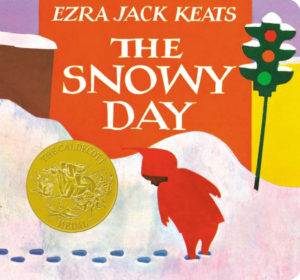
"The Snowy Day" by Ezra Jack Keats: A celebrated classic and recipient of the Caldecott Medal, "The Snowy Day" captures the pure joy and wonder of a young boy named Peter experiencing a snow-covered world. The book is notable for its early depiction of an African American protagonist in a mainstream children’s book, a significant milestone at the time of its publication in 1962. Its enduring appeal lies in its simple yet profound portrayal of childhood exploration and discovery.
-
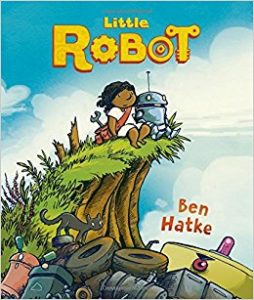
"Little Robot" by Ben Hatke: This wordless graphic novel tells the story of a small, lonely robot who is befriended by a kind and curious young girl. The beauty of "Little Robot" lies in its visual storytelling, allowing readers to interpret the emotions and interactions between the characters. The interspecies friendship and the robot’s journey of self-discovery offer a touching narrative without the need for dialogue, showcasing a unique bond.
Books for Older Children: Navigating Complex Themes
As children grow, their literary tastes evolve, and they become capable of engaging with more complex themes, nuanced characters, and intricate plots. This section highlights books that tackle diversity with depth and sophistication.
-
"Zita the Spacegirl" Trilogy by Ben Hatke: This popular graphic novel series follows Zita, a courageous and loyal Earth girl who embarks on an interstellar adventure. The books are celebrated for their engaging plots, compelling characters, and a strong female protagonist who faces challenges with resilience and ingenuity. Hatke’s work consistently features well-developed characters and imaginative storytelling, making these books a treasure for middle-grade readers.
-
"Mighty Jack" by Ben Hatke: A creative reimagining of the Jack and the Beanstalk tale, "Mighty Jack" introduces Maddy, Jack’s sister, who has autism and is nonverbal. Maddy is a central character, and her relationship with Jack is integral to the story’s emotional core. The graphic novel also touches upon themes of divorce and family dynamics, offering a multi-layered narrative filled with adventure, magic, and dragons. Its nuanced portrayal of disability within a fantasy context is particularly noteworthy.
-
"El Deafo" by Cece Bell: This Newbery Honor-winning graphic novel memoir recounts the author’s childhood experiences after losing her hearing. Cece navigates the challenges of being different, finding solace and empowerment in her rich fantasy life, where she imagines herself as the superhero "El Deafo." The book offers an honest and humorous exploration of disability, friendship, and self-acceptance, resonating deeply with readers of all backgrounds.
-
"Sisters" by Raina Telgemeier: Raina Telgemeier’s graphic novels are immensely popular, and "Sisters" is an excellent starting point. The book delves into the complexities of sibling relationships, particularly the rivalry and eventual understanding between two sisters on a road trip to Colorado. Telgemeier’s relatable characters, engaging artwork, and humorous portrayal of childhood experiences make her books a hit with young readers. Her other works, such as "Ghost" (featuring a protagonist with cystic fibrosis) and "Drama" (which includes themes of unrequited crushes and a character questioning his sexuality), further demonstrate her commitment to diverse storytelling.
The Broader Impact: Cultivating Empathy and Understanding
The inclusion of diverse characters and narratives in children’s literature is more than just a trend; it is a critical component of fostering a more inclusive and equitable society. When children encounter a wide range of human experiences in their reading, they develop a greater capacity for empathy, a deeper understanding of different cultures and perspectives, and a stronger ability to challenge stereotypes and biases.
The ongoing efforts by authors, illustrators, publishers, and advocacy groups to promote diverse children’s literature are crucial. These efforts not only enrich the literary landscape but also equip children with the tools they need to navigate an increasingly interconnected world. By providing children with mirrors that reflect their own identities and windows that offer glimpses into the lives of others, we empower them to become more compassionate, informed, and engaged citizens. The continued exploration and amplification of these diverse voices in children’s books are essential for building a future where every child feels seen, valued, and understood. As this list demonstrates, the availability of exceptional, diverse books is growing, offering a hopeful outlook for the future of children’s literature and the children who will grow up with these stories.
