

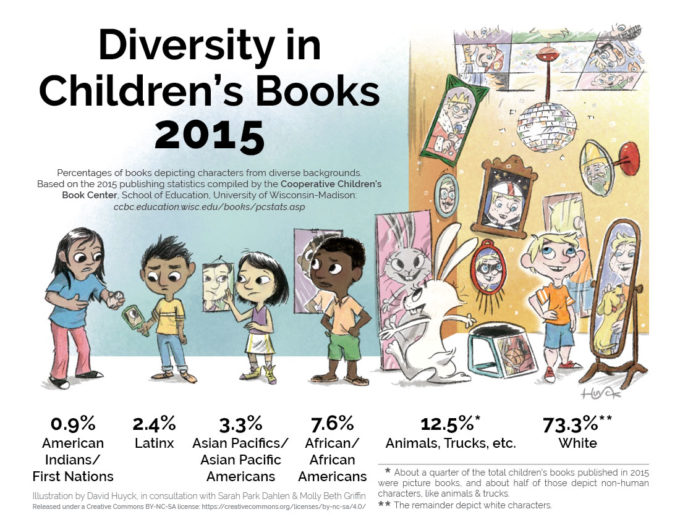
The landscape of children’s literature is undergoing a crucial transformation, with a growing emphasis on representing the rich tapestry of human experience. While beloved stories have long held a cherished place in childhood, a critical examination reveals a persistent underrepresentation of diverse characters across race, gender, ability, and sexual orientation. This oversight not only limits children’s understanding of the world but also denies many young readers the opportunity to see themselves reflected in the stories they consume. Research consistently highlights this disparity, with studies indicating that white, male protagonists overwhelmingly dominate children’s book narratives. For instance, a 2017 analysis by NPR found that authors and illustrators of color accounted for only 22% of children’s books published, a figure that underscores a systemic issue in the industry. Similarly, analyses of book protagonists often reveal a significant gender imbalance, with male characters appearing far more frequently than female characters, even in stories featuring animal or anthropomorphic figures. This imbalance is not merely an academic concern; it has tangible implications for how children perceive themselves and others, shaping their developing worldviews from an early age.
The call for greater diversity in children’s books is not a new phenomenon, but its urgency has intensified as societal awareness of equity and inclusion has grown. In recent years, publishers, authors, educators, and parents have increasingly advocated for books that offer a broader spectrum of representation. This movement aims to equip children with a more comprehensive understanding of the world around them, fostering empathy, critical thinking, and a sense of belonging for all young readers. By engaging with stories that feature characters from various backgrounds, children can develop a deeper appreciation for different cultures, abilities, and family structures, thereby dismantling stereotypes and promoting a more inclusive society. The following curated list offers a starting point for families and educators seeking high-quality children’s literature that champions diversity, demonstrating that inclusive storytelling can also be profoundly engaging and enriching.
The Foundational Importance of Diverse Representation in Early Childhood Literature
The formative years of a child’s life are critical for developing social and emotional understanding. Children’s books serve as powerful tools in this process, acting as windows into different worlds and mirrors reflecting their own experiences. When children encounter characters who share their race, gender identity, or familial background, it validates their existence and fosters a sense of belonging. Conversely, a lack of representation can lead to feelings of invisibility or otherness. The statistics on representation in children’s literature paint a stark picture. A 2015 report by the Cooperative Children’s Book Center (CCBC) at the University of Wisconsin-Madison revealed that only 37% of children’s books published featured female characters as protagonists, while characters of color comprised only 13% of all books. While these numbers have seen some improvement in subsequent years, the disparity remains significant.
The impact of this underrepresentation is multifaceted. For children from marginalized communities, seeing themselves in books can be a powerful affirmation, boosting self-esteem and encouraging a positive self-image. For children from majority groups, exposure to diverse characters can broaden their perspectives, challenge preconceived notions, and cultivate empathy. It helps them understand that the world is not a monolithic entity but a vibrant mosaic of individuals with unique stories and experiences. Furthermore, books that depict characters with disabilities can help destigmatize these differences, promoting understanding and acceptance. Similarly, stories that feature same-sex parents or diverse family structures normalize these variations, contributing to a more inclusive and accepting society. The initiative to select and promote books with diverse representation is therefore not merely about ticking boxes; it is about actively shaping a generation that is more compassionate, understanding, and equitable.
Books for the Youngest Readers: Building Foundations of Inclusion
The earliest stages of a child’s literary journey are crucial for establishing a foundation of understanding and acceptance. Board books and picture books designed for babies and toddlers play a vital role in introducing them to the world around them, including its diversity. These books, often characterized by simple language, engaging illustrations, and interactive elements, can effectively convey messages of belonging and difference.

"Not Quite Narwhal" by Jessie Sima, for instance, tells the story of Kelp, a creature who feels different and sets out on a journey to find others like him. While ostensibly a story about finding one’s place, it also subtly champions the idea of embracing uniqueness and the universal experience of seeking belonging. The narrative’s gentle exploration of identity resonates with young children, while the charming illustrations add to its appeal. This book, beloved by many, offers a gentle introduction to themes of self-discovery and familial love, applicable to a wide range of family structures and personal journeys.
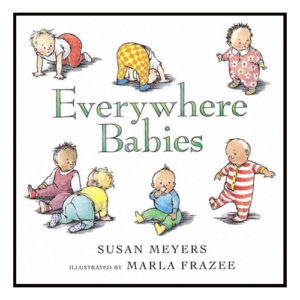
Another valuable resource for this age group is "Everywhere Babies" by Susan Meyers, with illustrations by Marsha Arnold. This book offers a vibrant portrayal of babies from diverse backgrounds, showcasing a range of skin tones, family configurations, and environments. Its simple, rhythmic text and warm, inviting illustrations make it an ideal choice for introducing very young children to the concept of shared humanity and the beauty of diversity. The book’s focus on the universal experiences of babies—sleeping, playing, eating—while subtly highlighting their differences, reinforces the message that all babies are cherished and belong.
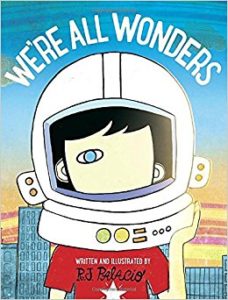
"We’re All Wonders" by R.J. Palacio, adapted from the acclaimed novel "Wonder," brings the story of Auggie Pullman, a child with facial differences, to a younger audience. This picture book gently introduces the concept of looking different and the importance of kindness and acceptance. It empowers children to embrace their own uniqueness and to extend compassion to others who may appear different. The book’s core message, "When given the choice between being right or being kind, choose kind," is a profound lesson for children of all ages.
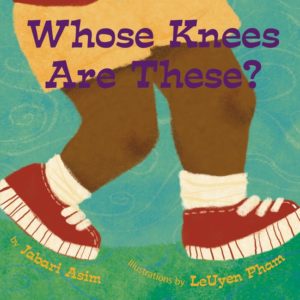
For exploring the nuances of difference within a familiar context, "Whose Knees Are These?" by Cheri Danby and illustrated by Joelle Dreidemy offers a playful approach to body part identification. While seemingly simple, the book’s diverse representation of children engaged in various activities can subtly reinforce the idea that bodies come in different shapes, sizes, and colors, all contributing to the richness of childhood experiences.
Cultivating Empathy and Understanding: Books for Preschoolers
As children enter the preschool years, their capacity for understanding more complex social dynamics and narratives expands. Books for this age group can delve into themes of individuality, community, and navigating social situations with greater depth.
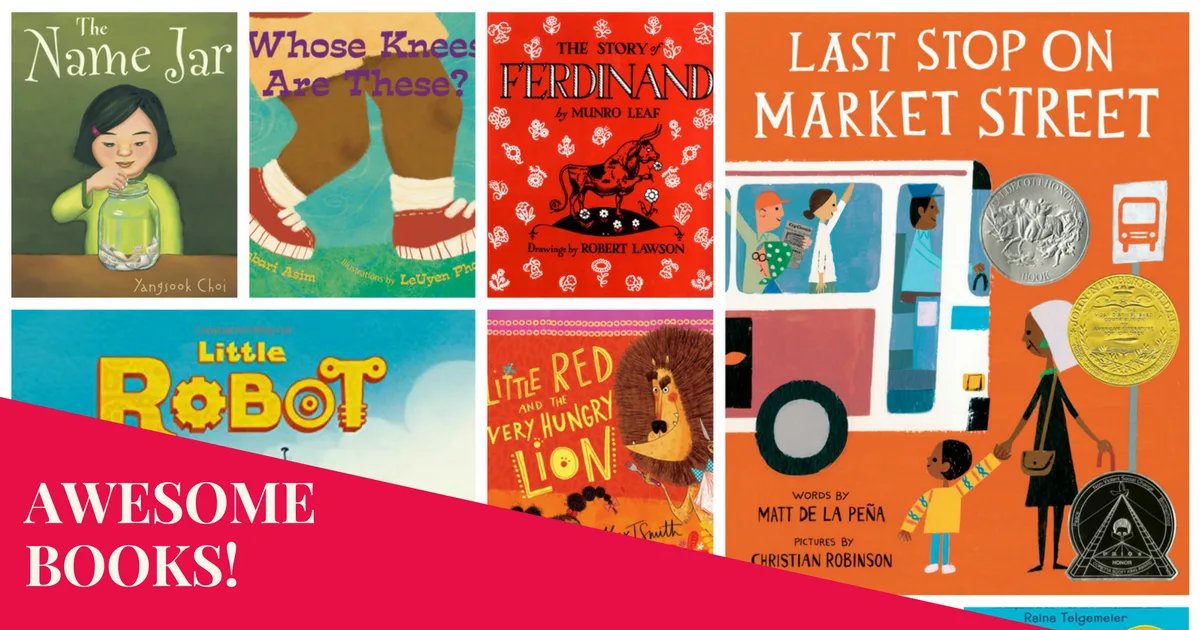
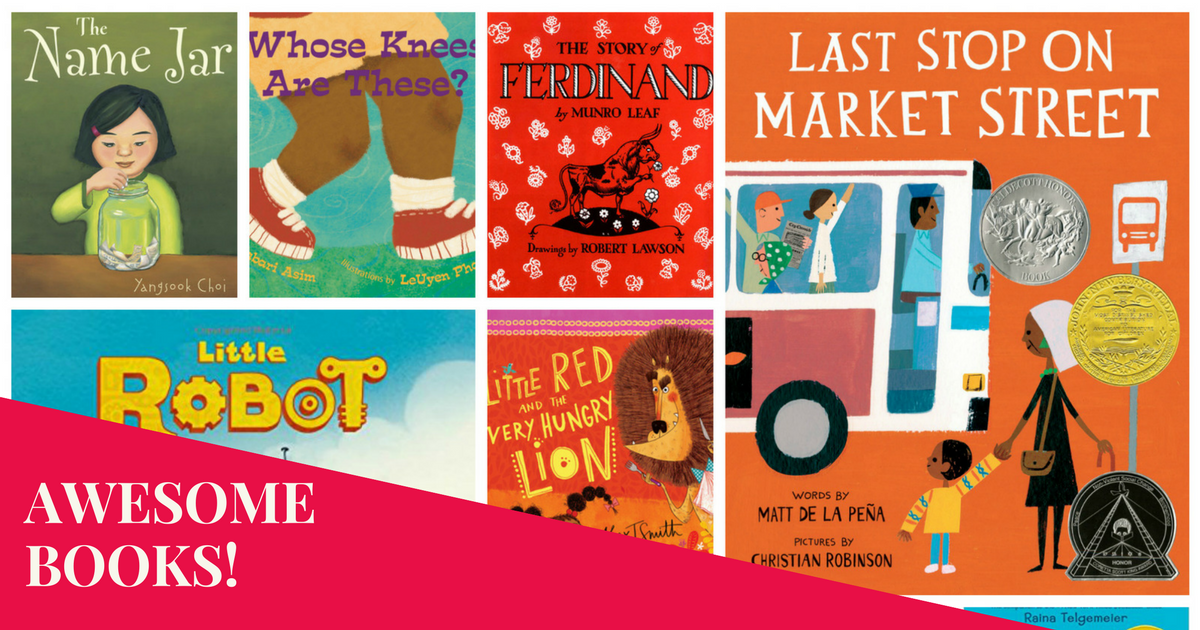
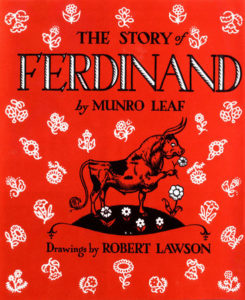
"The Story of Ferdinand" by Munro Leaf, a timeless classic, introduces Ferdinand, a bull who prefers smelling flowers to bullfighting. This story, often interpreted as an allegory for non-conformity and peace, subtly challenges traditional gender roles and societal expectations. Ferdinand’s gentle nature and his refusal to adhere to the aggressive norms of his peers resonate with children who may feel different or pressured to conform. Its enduring popularity speaks to its powerful message of individuality and the courage to be oneself.
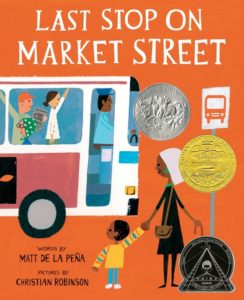
"Last Stop on Market Street" by Matt de la Peña, with illustrations by Christian Robinson, is a Caldecott Medal winner that celebrates the beauty of everyday life and the importance of community. The story follows CJ and his grandmother on their bus ride through the city, where CJ initially expresses discontent but gradually learns to appreciate the world around him through his grandmother’s perspective. The book beautifully portrays an intergenerational relationship and showcases a diverse urban landscape, highlighting the richness of life in all its forms and the wisdom found in simple observations. Robinson’s vibrant illustrations bring the diverse characters and settings to life, making it a visually stunning and emotionally resonant read.
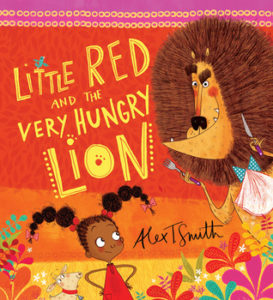
"Little Red and the Very Hungry Lion" by Alex Smith offers a vibrant, jungle-themed reimagining of the classic fairy tale. This version features a resourceful and brave Little Red and a rather comical lion, providing a fun and engaging narrative for young children. The story’s cheerful tone and vibrant illustrations, along with its happy resolution, make it a delightful choice for preschoolers. Its playful subversion of a familiar tale can also encourage critical thinking about narratives.
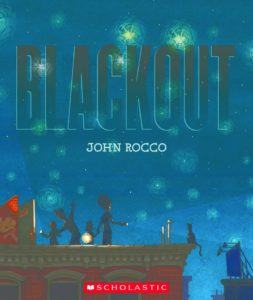
"Blackout" by John Rocco, another Caldecott Honor recipient, uses minimal text and powerful illustrations to tell the story of a summer power outage that brings a neighborhood together. The book highlights the importance of community, shared experience, and the unexpected ways in which people connect. It depicts a diverse cast of characters coming together, emphasizing unity and mutual support in the face of disruption. The wordless or near-wordless nature of the book allows children to interpret the story and engage their imaginations, making it accessible and captivating.
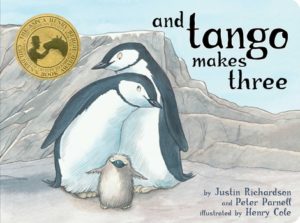
The true story of "And Tango Makes Three" by Justin Richardson and Peter Parnell, illustrated by Henry Cole, addresses same-sex relationships in a sensitive and age-appropriate manner. It recounts the story of two male penguins at the Central Park Zoo who form a pair and are given an egg to raise. This book provides a gentle introduction to diverse family structures, promoting understanding and acceptance of different kinds of love and families. It is a valuable tool for fostering inclusivity and challenging heteronormative assumptions from an early age.
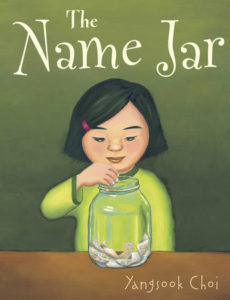
"The Name Jar" by Yangsook Choi tells the story of Unhei, a young Korean immigrant who is anxious about her new school and the pronunciation of her name. Her classmates’ efforts to create a "name jar" of suggestions, and Unhei’s subsequent decision to embrace her Korean name, offer a poignant exploration of cultural identity, belonging, and self-acceptance. The book gently navigates the challenges of adapting to a new environment while celebrating the richness of one’s heritage.
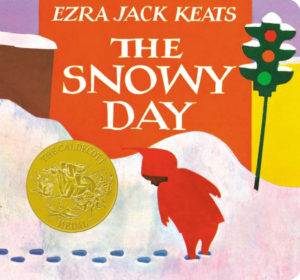
"The Snowy Day" by Ezra Jack Keats, a Caldecott Medal winner, remains a beloved classic for its simple yet profound depiction of a young boy’s joyous exploration of a snowy day in his urban neighborhood. Peter, the protagonist, is one of the first Black children to be featured in a mainstream American picture book, a groundbreaking achievement for its time. The book’s enduring appeal lies in its universal theme of childhood wonder and discovery, rendered through Keats’s innovative collage illustrations and sensitive portrayal of a child’s experience.
"Little Robot" by Ben Hatke is a wordless picture book that tells a heartwarming story of friendship between a small robot and a curious girl. The lack of text allows for open interpretation, fostering imaginative engagement. The narrative, driven by expressive illustrations, beautifully portrays themes of connection, empathy, and the formation of bonds across differences. Hatke’s distinct artistic style brings a unique charm to this tale of unlikely companionship.
Engaging Older Children: Complex Narratives and Diverse Perspectives
For older children, literature can tackle more intricate themes and offer deeper explorations of identity, social issues, and personal growth. Graphic novels and chapter books, in particular, have become powerful mediums for diverse storytelling, often featuring compelling characters and relatable storylines.
The "Zita the Spacegirl" series by Ben Hatke features a courageous and resourceful young protagonist who embarks on intergalactic adventures. Zita’s journeys are filled with intrigue, unlikely friendships, and challenges that require her to be brave and loyal. These graphic novels are praised for their engaging plots, well-developed characters, and accessible storytelling, making them popular with both young readers and adults. The series subtly promotes themes of resilience and the importance of friendship across diverse backgrounds.
"Mighty Jack" by Ben Hatke offers a creative retelling of the Jack and the Beanstalk tale, with a significant focus on family dynamics. Jack’s sister, Maddy, who has autism and is nonverbal, is a central character, and their relationship forms the emotional core of the story. The book also touches upon themes of divorce and mother-son relationships, offering a nuanced portrayal of a modern family. Its blend of fantasy, adventure, and heartfelt character development makes it a compelling read.
"El Deafo" by Cece Bell, a Newbery Honor book, is a graphic memoir about the author’s childhood experience of losing her hearing and navigating the world with a hearing aid. Bell creatively imagines herself as the superhero "El Deafo," using her imagination to cope with feeling different. The book is lauded for its humor, honesty, and its sensitive exploration of themes such as disability, friendship, and finding one’s inner strength. It provides a powerful and relatable perspective for children facing similar challenges.
Raina Telgemeier’s graphic novels, such as "Sisters," "Ghosts," and "Drama," have gained immense popularity among middle-grade readers. "Sisters" explores the complex relationship between two siblings, focusing on rivalry, shared experiences, and the challenges of growing up. "Ghosts" features a protagonist whose younger sister has cystic fibrosis, offering a sensitive portrayal of chronic illness and sibling bonds. "Drama" delves into the world of middle school theater and includes themes of unrequited crushes and a character who is questioning his sexuality. Telgemeier’s work is characterized by its relatable characters, engaging artwork, and honest exploration of the complexities of childhood and adolescence, making her a highly recommended author for this age group.
The Broader Impact and Future of Inclusive Literature
The growing demand for diverse children’s literature reflects a societal shift towards greater inclusivity and a recognition of the importance of representation. Publishers are increasingly making efforts to acquire and promote books that feature a wider range of characters and experiences. This trend is not only beneficial for children from underrepresented groups but also for all children, as it fosters a more empathetic, understanding, and well-rounded worldview.
The implications of this movement are far-reaching. By providing children with books that reflect the diversity of the world, we are helping to break down stereotypes, combat prejudice, and build a more equitable future. Educators and librarians play a crucial role in curating diverse collections and recommending these books to families. Parents, by actively seeking out and engaging with these stories, can significantly contribute to their children’s social and emotional development.
While significant progress has been made, the journey towards truly inclusive children’s literature is ongoing. Continued advocacy, critical analysis of publishing practices, and the amplification of diverse voices are essential to ensure that all children have access to stories that celebrate their identities and broaden their understanding of the human experience. The books highlighted here represent a fraction of the rich and growing body of diverse children’s literature, serving as a testament to the power of stories to connect, inspire, and shape a more inclusive world for generations to come. The continued effort to identify and share such valuable resources will undoubtedly enrich the lives of countless young readers.
