


The modern culinary landscape is witnessing a significant shift toward efficiency and accessibility, as home cooks increasingly seek professional-grade results without the requisite labor-intensive techniques. Central to this movement is the rising popularity of "no-knead" dough formulations, a method that leverages time and hydration rather than physical exertion to develop gluten structure. This approach, exemplified by the latest no-knead pizza dough protocols, offers a streamlined solution for families navigating chaotic schedules. By utilizing a few pantry staples and a simplified preparation timeline, this method democratizes the art of pizza making, allowing for a versatile, make-ahead, and freezer-friendly staple that serves as a cornerstone for various nutritional applications, from standard pizzas to specialized "pizza pockets" and "pizza rolls."
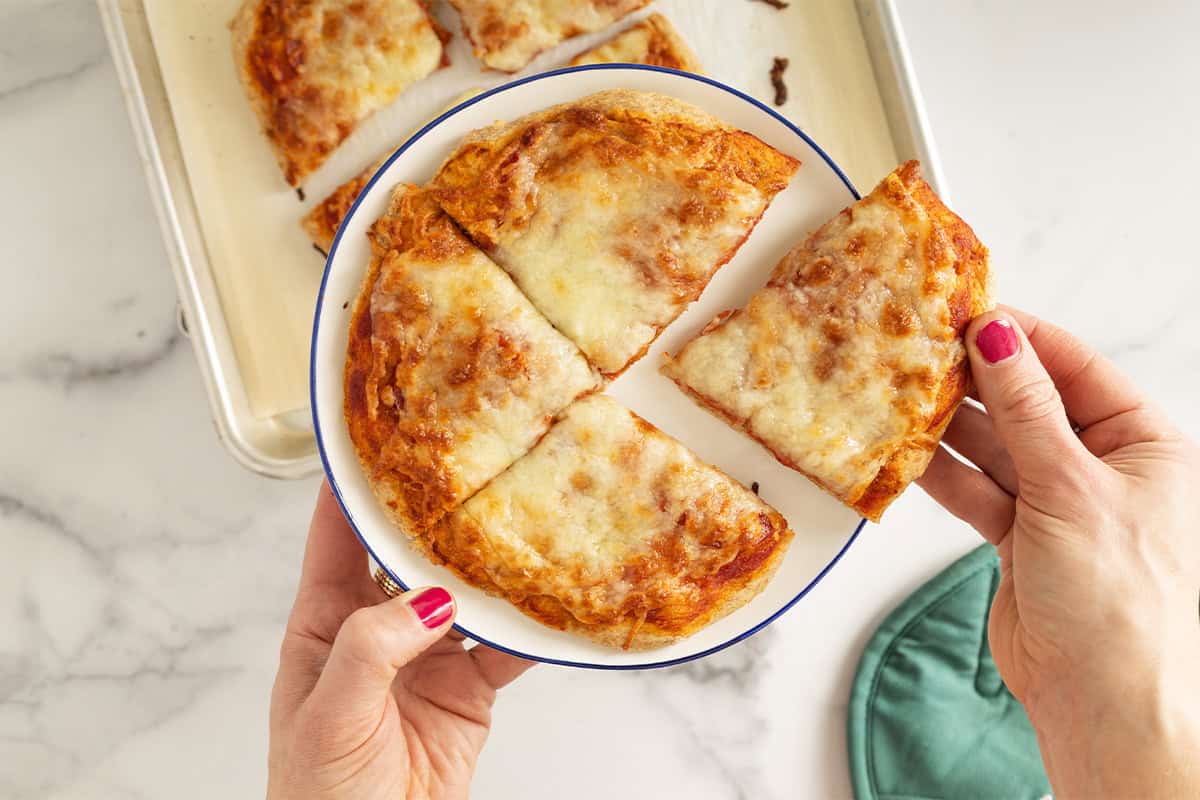
The Science and Methodology of No-Knead Fermentation
The traditional method of bread and pizza dough production relies on mechanical kneading—a process of stretching and folding the dough to align proteins and create a strong gluten network. However, the no-knead technique operates on the principle of long-duration hydration. When flour and water are combined and allowed to rest for an extended period, enzymes within the flour (proteases) begin to break down proteins, while the water facilitates the natural alignment of glutenin and gliadin molecules.
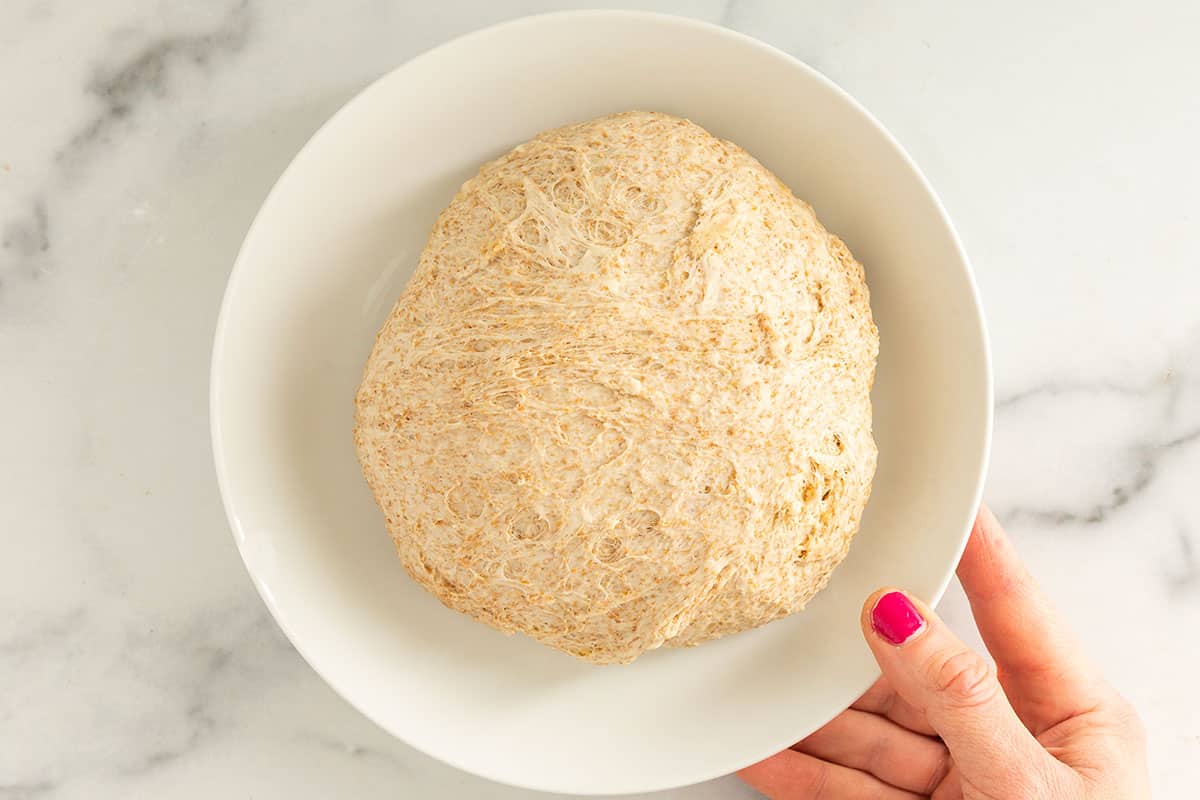
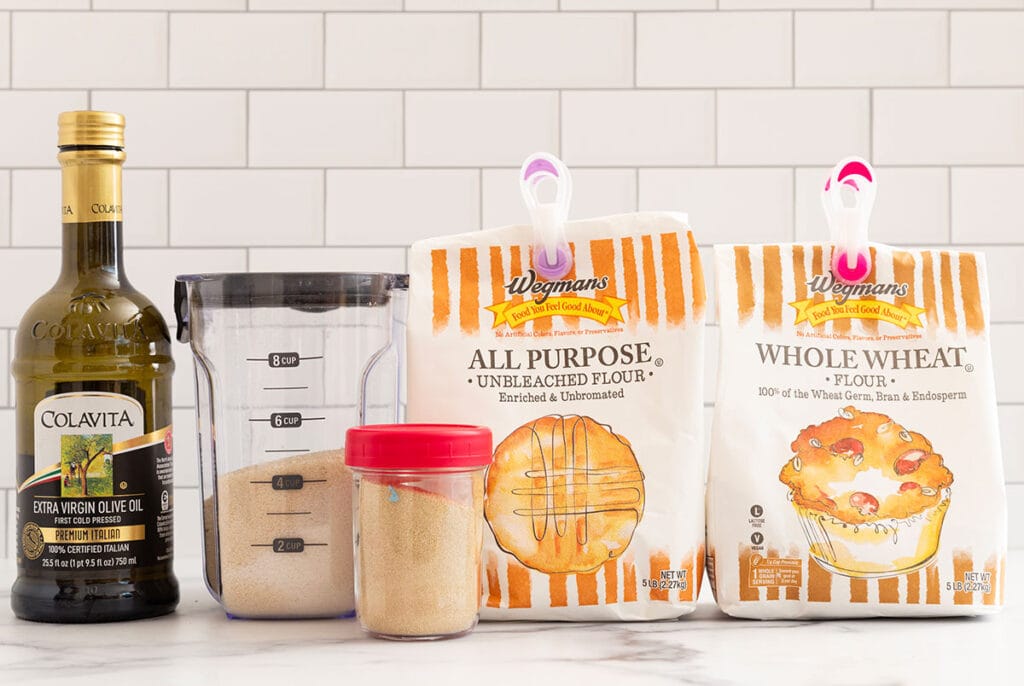
In this specific no-knead pizza dough recipe, the process is further simplified to accommodate the domestic kitchen. The method involves stirring together all-purpose or whole wheat flour, yeast, salt, and olive oil with warm water. Unlike traditional recipes that require a stand mixer or vigorous hand-kneading, this protocol requires only enough stirring to incorporate the ingredients into a shaggy ball. The subsequent "rest" phase—ideally lasting at least one hour but extendable for several hours—allows the yeast to ferment and the gluten to self-organize. This results in a dough that is pliable, easy to stretch, and capable of producing a crust characterized by crispy edges and a tender, airy crumb.
Chronology of Preparation: From Pantry to Plate
The timeline for producing a no-knead pizza is designed for maximum flexibility, fitting into the "real-life" constraints of busy households. The following chronology outlines the typical lifecycle of the dough:
- The Activation Phase (T-minus 75 minutes): The process begins with "blooming" the yeast. Whether using active dry or instant yeast, dissolving the granules in warm water (approximately 105°F to 110°F) with a pinch of sugar ensures the yeast is viable. A foamy, puffy appearance after five minutes serves as a biological confirmation of activity.
- The Integration Phase (T-minus 65 minutes): Dry ingredients are introduced to the liquid base. The simplicity of this stage is paramount; the goal is total hydration of the flour without the need for structural development through force.
- The Bulk Fermentation (T-minus 60 minutes): The dough is covered and left at room temperature. During this hour, the dough undergoes a chemical transformation, becoming more cohesive and elastic.
- The Shaping and Pre-Baking (T-minus 15 minutes): For those utilizing a standard baking sheet rather than a specialized pizza stone, a two-stage baking process is employed. The dough is stretched by hand—avoiding the compression of a rolling pin to preserve air pockets—and topped initially with only the sauce.
- The Final Assembly and Completion: After a brief pre-bake to set the crust, cheese and toppings are added. This ensures that the dough is fully cooked through without the cheese over-browning or the toppings becoming desiccated.
Economic and Nutritional Data Analysis
The transition from commercial takeout to homemade pizza is supported by compelling economic data. According to recent consumer price index (CPI) reports, the cost of "food away from home" has seen a steady increase, with the average cost of a large delivered pizza ranging from $18.00 to $28.00 depending on region and toppings. In contrast, the raw materials for a homemade no-knead dough—flour, yeast, oil, and salt—cost approximately $0.50 to $1.00 per batch. Even when factoring in high-quality mozzarella and sauce, the total cost of a family-sized pizza remains under $5.00, representing a cost savings of over 70% per meal.
Nutritionally, the no-knead homemade option provides a superior profile to many commercial and frozen alternatives. A standard serving of this dough (calculated at approximately one-sixth of the total yield) contains:
- Calories: 384 kcal
- Protein: 16g
- Carbohydrates: 49g
- Total Fat: 14g (Saturated Fat: 6g)
- Sodium: 527mg
- Fiber: 4g
When compared to a typical slice of "fast-food" pizza, which can contain upwards of 800-900mg of sodium and significant amounts of preservatives, the homemade version allows for precise control over sodium and sugar intake. The inclusion of whole wheat flour options further enhances the fiber content, contributing to better satiety and digestive health, particularly in pediatric nutrition.

Versatility in Application and Pediatric Integration
One of the primary advantages cited by proponents of this no-knead dough is its multi-functional nature. Beyond the traditional circular pizza, the dough serves as a base for several kid-friendly iterations:
- Pizza Rolls and Pockets: By rolling the dough thin and filling it with cheese and spinach or other vegetables, parents can create portable, lunchbox-friendly meals.
- Pizza Cups: Utilizing muffin tins, the dough can be shaped into individual servings, which helps with portion control and caters to the preferences of "picky eaters."
- Alternative Sauces: The recipe is compatible with various bases, including traditional tomato sauce, basil pesto, or even a white sauce based on Greek yogurt or cottage cheese, as seen in related high-protein variations.
Experts in child development and nutrition often suggest that involving children in the food preparation process—such as letting them choose their own toppings—increases their willingness to try new foods. The ease of the no-knead method makes it a safe and accessible "entry point" for children to assist in the kitchen, fostering a positive relationship with home-cooked meals.

Logistics: Storage and Long-Term Planning
The "make-ahead" capability of the no-knead dough is a critical feature for long-term meal planning. The dough’s structure actually benefits from a slower fermentation process in the refrigerator.
- Refrigeration: The dough can be prepared and stored in an airtight container for up to five days. During this time, the yeast continues to work at a slower pace, developing complex flavors that are often missing from "quick-rise" commercial doughs.
- Freezing: For those looking to meal prep weeks in advance, the dough can be portioned, placed in freezer-safe bags, and frozen for up to three months. To use, the dough simply requires an overnight thaw in the refrigerator, followed by a brief period at room temperature to regain its elasticity before stretching.
Analysis of Broader Implications
The rise of simplified, high-quality recipes like no-knead pizza dough reflects a broader societal trend toward "Slow Food" values executed with "Fast Food" efficiency. As the cost of living increases and time remains a scarce commodity, the ability to produce a healthy, inexpensive, and customizable meal at home is no longer just a culinary hobby; it is a practical survival strategy for the modern family.

Furthermore, the democratization of bread-making through no-knead techniques challenges the traditional "gatekeeping" of artisanal baking. By removing the need for specialized equipment (like stand mixers) or physical prowess, these recipes ensure that nutritious, fresh bread products are available to a wider demographic, regardless of their kitchen setup or physical ability.
In conclusion, the No-Knead Pizza Dough method represents a significant optimization of home cooking. By aligning the chemical properties of fermentation with the logistical needs of contemporary life, it provides a robust framework for healthy, affordable, and stress-free dining. As more households move away from highly processed convenience foods, such versatile and reliable recipes are likely to become permanent fixtures in the domestic culinary repertoire.