

The landscape of early childhood nutrition is undergoing a significant shift as parents and caregivers increasingly prioritize whole-food ingredients over processed, store-bought alternatives. Among the most versatile and nutritionally dense options emerging in the home-baking sector is the Greek yogurt banana muffin, a recipe that harmonizes the natural sweetness of ripe fruit with the high-protein benefits of fermented dairy. This specific culinary development addresses a growing demand for "no-added-sugar" snacks that do not compromise on texture or flavor, providing a practical solution for breakfast, school lunches, and postpartum meal planning. By utilizing common household staples such as overripe bananas and Greek yogurt, this recipe offers a cost-effective and health-conscious alternative to the high-fructose corn syrup and preservative-laden options typically found in commercial grocery aisles.
The Evolution of the Health-Conscious Muffin
Historically, muffins were viewed as little more than "cake for breakfast," often containing upwards of 30 grams of sugar and significant amounts of refined oils. However, the rise of the wellness movement and increased awareness of pediatric metabolic health have catalyzed a redesign of the classic muffin. The integration of Greek yogurt serves a dual purpose: it acts as a moisture-retaining agent that allows for a reduction in added fats, and it introduces a significant protein boost that is often lacking in traditional grain-based snacks.
Bananas have long been a staple of the home kitchen, but their role has evolved from a simple flavor component to a primary sweetening agent. As bananas ripen, their starch converts into sugar, providing a concentrated sweetness that eliminates the need for granulated cane sugar or synthetic sweeteners. This synergy between the acidity of the yogurt and the density of the banana creates a chemical reaction during the baking process that results in an exceptionally tender crumb, often referred to by culinary experts as the "ultimate fluffiness."
Nutritional Profile and Quantitative Data Analysis
To understand the impact of these muffins on a child’s diet, one must examine the specific nutritional data. A single serving of a standard Greek yogurt banana muffin provides approximately 122 calories, making it an ideal calorie-dense snack for active toddlers. The macronutrient breakdown is particularly favorable for early development:
- Protein Content: Each muffin contains approximately 3 grams of protein. While this may seem modest, it represents a significant portion of the Daily Value (DV) for toddlers, who generally require between 13 and 19 grams of protein per day.
- Carbohydrates and Fiber: With 17 grams of carbohydrates and 1 gram of fiber, these muffins provide sustained energy. The fiber content, derived primarily from the fruit and whole-grain flour options, aids in digestive health—a common concern for parents of young children.
- Sugar Profile: The sugar content is limited to roughly 3 grams per serving, almost entirely derived from the natural fructose in the bananas and the lactose in the yogurt. This stands in stark contrast to commercial muffins, which can contain 15 to 20 grams of added sugar.
- Micronutrients: The muffins are a source of Vitamin A (170 IU), Calcium (34 mg), and Potassium (102 mg). These minerals are essential for bone development and electrolyte balance in growing bodies.
The Science of the One-Bowl Baking Method
Efficiency is a critical factor for modern households, leading to the widespread adoption of the "one-bowl" preparation method. This approach minimizes kitchen labor and reduces the cleanup time associated with traditional multi-step baking. The process follows a specific chronological order designed to maximize the leavening properties of the ingredients.
Phase 1: Preparation and Mashing
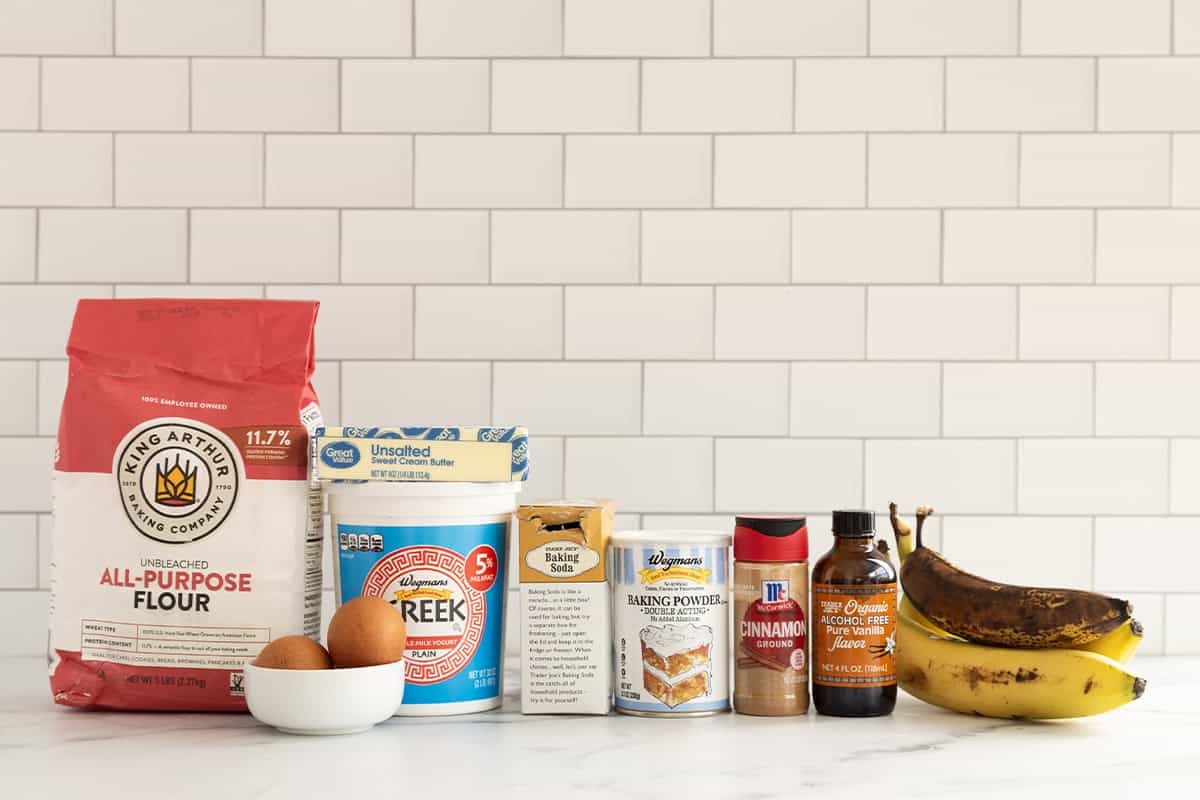
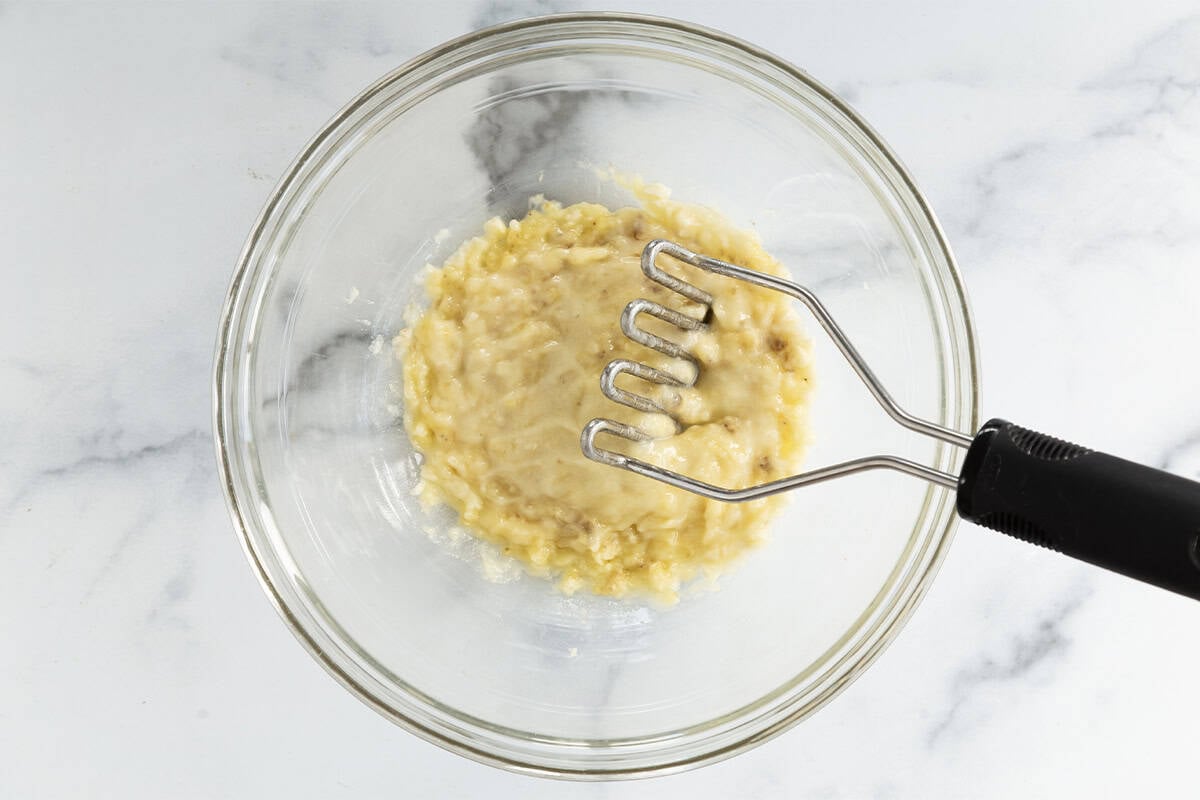
The process begins with the selection of bananas. For optimal results, the fruit should be in the late stages of ripeness, characterized by a spotted or nearly black peel. This ensures maximum sweetness and a soft texture that can be mashed into a smooth puree using a fork or potato masher. This stage is crucial, as any large lumps of fruit can lead to uneven moisture distribution in the final product.
Phase 2: Incorporation of Wet Ingredients
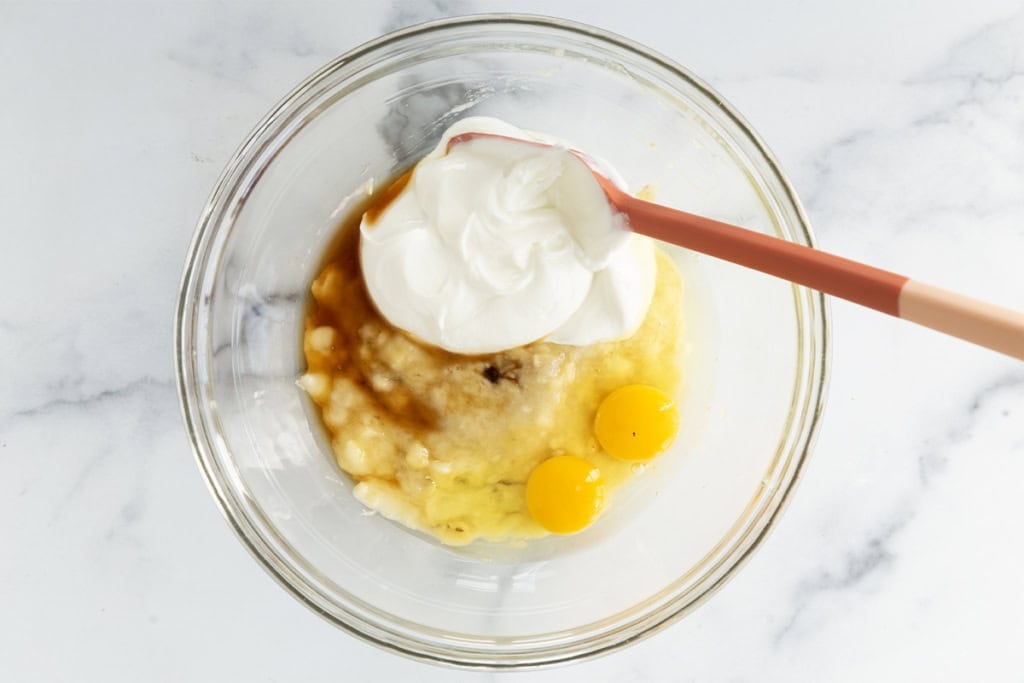
Once the bananas are pureed, the Greek yogurt and other wet ingredients—typically eggs and a small amount of oil or melted butter—are introduced. The inclusion of Greek yogurt is a technical masterstroke; its thick consistency provides structure, while its natural acidity reacts with leavening agents like baking soda to produce carbon dioxide bubbles. This reaction is what creates the "fluffy" texture that distinguishes this recipe from denser banana breads.
Phase 3: Integration of Dry Ingredients
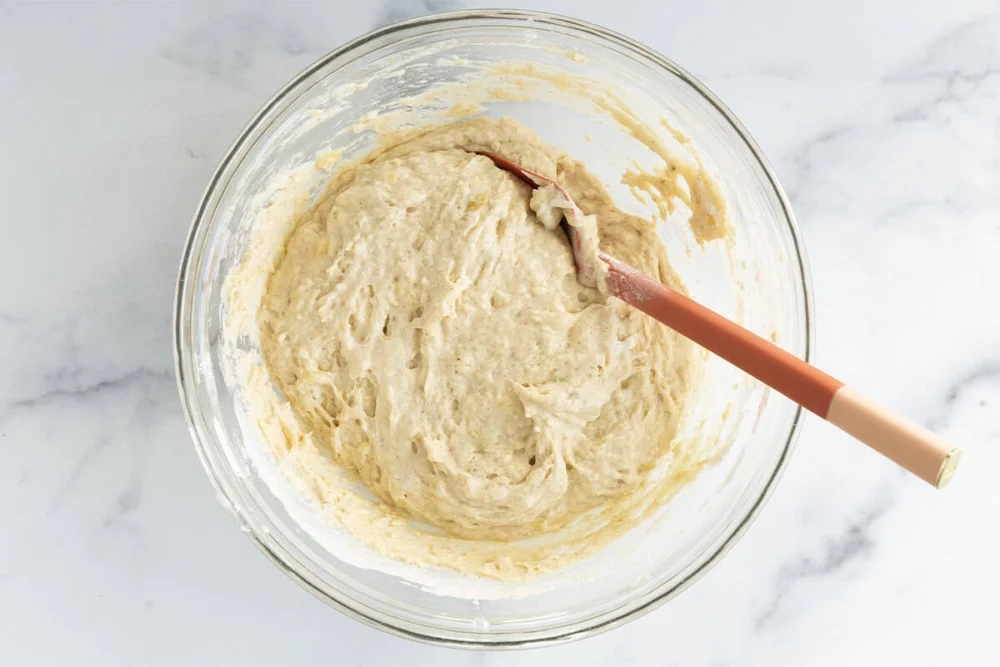
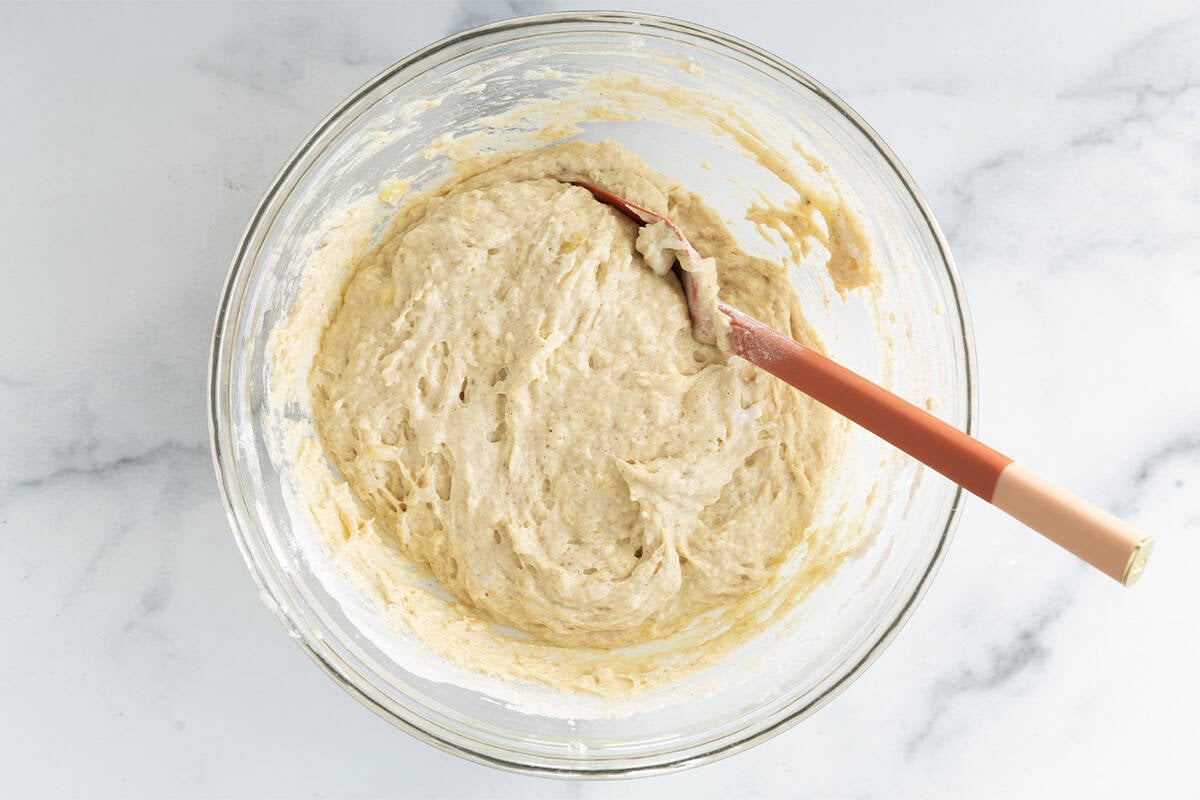
The dry ingredients, including flour, baking powder, baking soda, and salt, are folded gently into the wet mixture. Over-mixing at this stage is a common pitfall; doing so develops the gluten in the flour too extensively, resulting in a tough, rubbery muffin. A gentle fold ensures that the ingredients are just combined, maintaining the delicate air pockets created by the yogurt’s acidity.
Phase 4: Thermal Processing
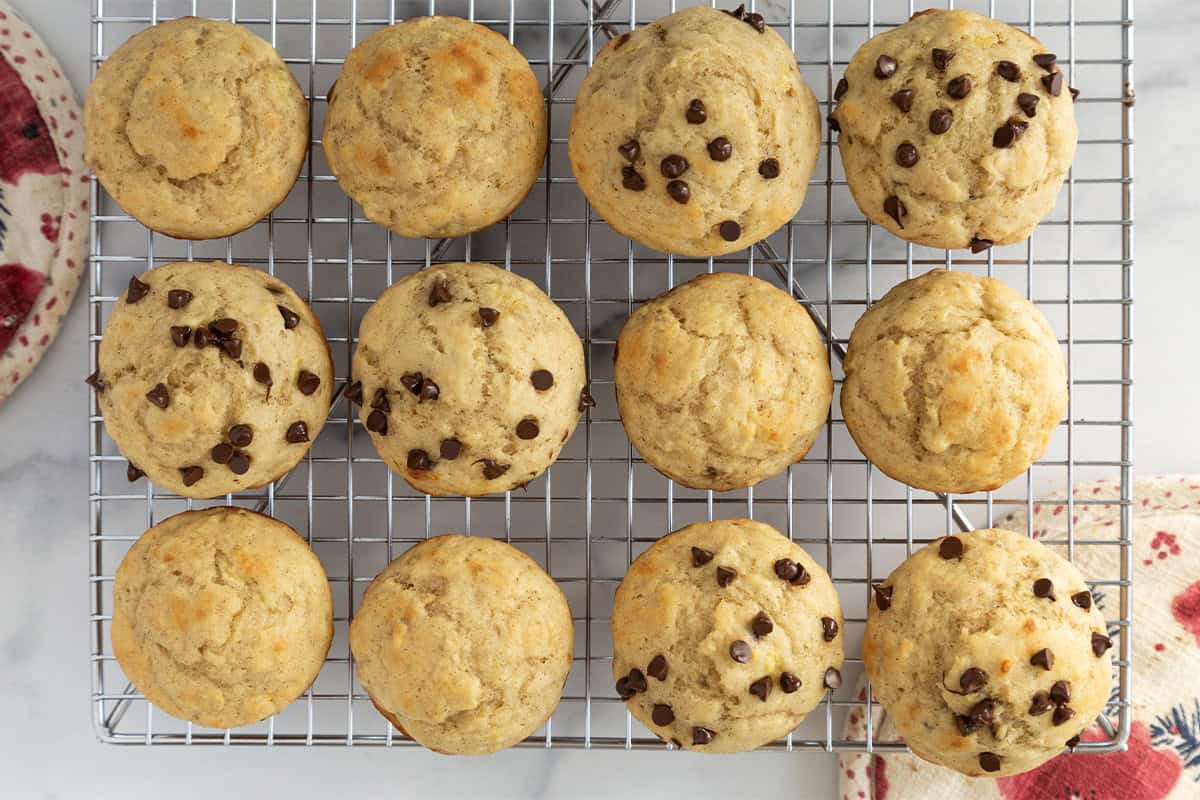
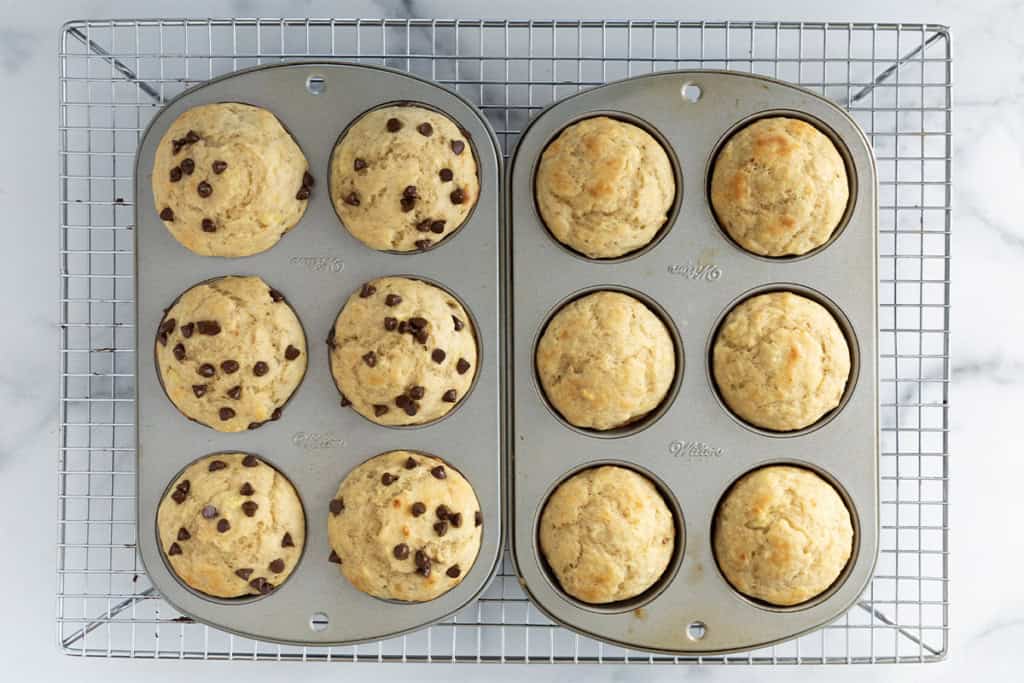
The batter is portioned into a greased muffin pan. For standard-sized muffins, a bake time of 18 to 22 minutes at 350°F (175°C) is typical. The muffins are considered complete when they achieve a light golden-brown hue and a cake tester inserted into the center emerges without wet batter.
Addressing Pediatric Nutritional Standards and Expert Perspectives
Health organizations, including the American Academy of Pediatrics (AAP) and the World Health Organization (WHO), have issued increasingly stringent guidelines regarding sugar intake for young children. The consensus among pediatric nutritionists is that children under the age of two should consume zero added sugars, as early exposure to high-sugar diets can program a lifelong preference for sweets and increase the risk of obesity and Type 2 diabetes.
"Recipes like the Greek yogurt banana muffin are vital tools for parents," says one nutritionist specializing in early childhood development. "By leveraging the natural sugars found in whole fruits, we can provide children with the sensory satisfaction of a treat while maintaining the integrity of their nutritional intake. The addition of Greek yogurt also introduces probiotics and calcium, which are foundational for gut health and skeletal growth."
Furthermore, the versatility of the recipe allows for the inclusion of "superfoods." Many parents report success in adding finely grated carrots, zucchini, or hemp seeds to the batter, further increasing the micronutrient density without significantly altering the flavor profile that children enjoy.
Economic and Lifestyle Implications
The shift toward homemade nutritious snacks also carries significant economic implications. A pack of four organic, low-sugar muffins at a specialty grocery store can cost upwards of $8.00 to $10.00. In contrast, a dozen Greek yogurt banana muffins can be produced at home for a fraction of that cost, utilizing pantry staples and "rescued" produce (overripe bananas) that might otherwise be discarded.
Sustainability and Food Waste
The use of overripe bananas addresses the global issue of food waste. Bananas are one of the most frequently wasted food items in the retail and consumer sectors. By repurposing fruit that has passed its aesthetic prime, families contribute to a more sustainable food cycle.
Postpartum and Meal Prep Utility
The muffins have also gained popularity within the "postpartum meal prep" community. Due to their high protein content and ease of consumption, they serve as an ideal snack for breastfeeding mothers who require additional calories and nutrients but have limited time for meal preparation. The ability to freeze these muffins for up to six months allows for long-term planning, ensuring that a healthy option is always available during the demanding early months of parenthood.
Storage, Longevity, and Customization
For optimal freshness, the storage of these muffins requires specific environmental conditions. Once cooled completely on a wire rack, they should be stored in an airtight container. At room temperature, they maintain their texture for approximately three days. If refrigerated, their shelf life extends to five days, though the cold environment can cause the starches to firm up; a brief five-second warming in the microwave can restore their original softness.
For long-term storage, freezing is the recommended method. By removing as much air as possible from a freezer-safe bag, parents can prevent freezer burn and preserve the muffins for half a year. This makes the recipe a staple for "batch baking" sessions.
Customization Options
While the base recipe is designed for simplicity, it serves as a canvas for various flavor profiles.
- Mini Muffins: For younger toddlers or as a "bite-sized" snack, the batter can be baked in a mini-muffin tin for 10-12 minutes.
- Flavor Enhancements: The addition of blueberries provides antioxidants, while mini chocolate chips can be used as a transition for children accustomed to higher-sugar snacks.
- Fat Content: While low-fat yogurt is an option, many experts recommend using full-fat (4%) Greek yogurt for children, as healthy fats are essential for brain development in the first several years of life.
Conclusion: A Paradigm for Modern Home Cooking
The Greek yogurt banana muffin is more than just a recipe; it is a reflection of a broader cultural movement toward transparency in food and the prioritization of metabolic health from a young age. By combining scientific principles of leavening with the nutritional benefits of whole foods, this muffin offers a sustainable, affordable, and delicious alternative to industrial food products. As more families move away from processed snacks, the reliance on such versatile, nutrient-dense home-baked goods is expected to grow, cementing the role of the Greek yogurt banana muffin as a cornerstone of the modern healthy kitchen. Through informed ingredient choices and efficient preparation methods, caregivers are empowered to provide the next generation with a foundation of health that begins at the breakfast table.
