

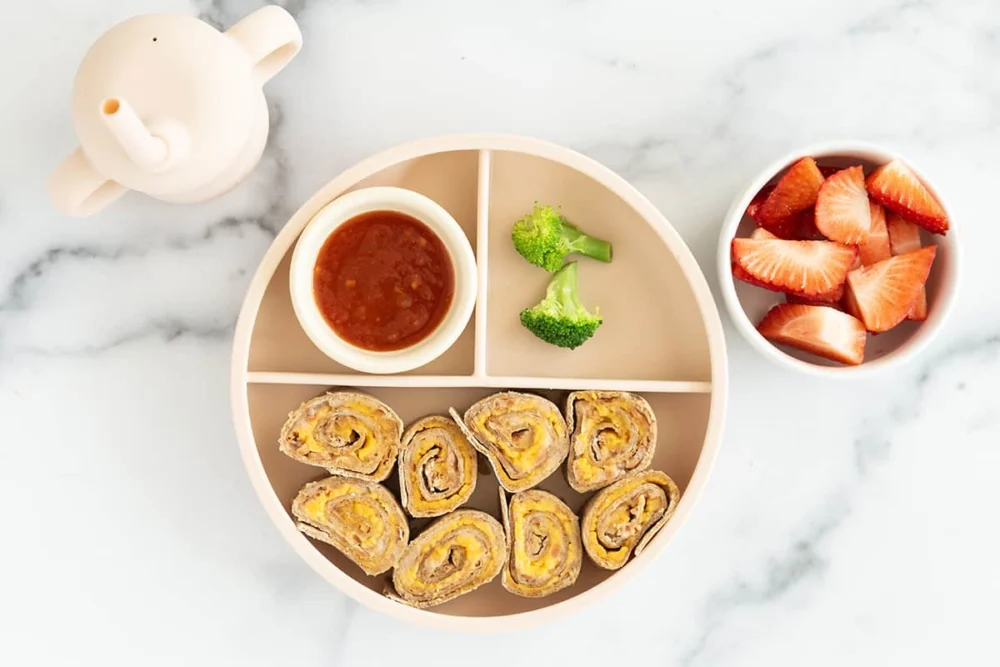
The digital landscape for family nutrition has seen a significant shift toward integrated, subscription-based services designed to alleviate the logistical burdens of household management. Yummy Toddler Food (YTF), a prominent platform specializing in pediatric nutrition and family meal logistics, has officially released its meal plan for the final week of February. This latest iteration of the YTF Community curriculum introduces a streamlined approach to meal preparation, emphasizing low-ingredient recipes and deep integration with third-party grocery fulfillment services. By providing a curated schedule that includes breakfast, lunch, snacks, and dinner, the platform aims to address the persistent "mental load" faced by primary caregivers in managing dietary requirements and food procurement.
The February Week 4 plan highlights a strategic selection of recipes designed for high-yield, low-effort execution. Among the featured items are Taco Roll-Ups, a variety of savory "pinwheels," a five-ingredient soup, and a novel no-bake dessert. These offerings reflect a broader trend in the home-cooking industry toward "minimalist gastronomy," where the number of touchpoints between raw ingredients and a finished meal is minimized to accommodate the time constraints of modern working families.
The Evolution of Digital Meal Planning and the YTF Framework
The release of the latest YTF meal plan marks a continued evolution in how digital content creators transition from static recipe repositories to dynamic service providers. Historically, meal planning was a manual process involving physical cookbooks, handwritten lists, and manual inventory checks. The advent of the "YTF Community" model represents a pivot toward a service-oriented architecture. This model provides members with adjustable serving sizes and editable grocery lists, allowing for a degree of personalization that traditional media cannot offer.
Central to this week’s announcement is the integration of the platform’s shopping list functionality with Instacart. This feature allows users to export their weekly requirements directly into a grocery delivery application, effectively closing the loop between digital inspiration and physical acquisition. Industry analysts note that this type of "frictionless commerce" is becoming a standard expectation for consumers who balance professional responsibilities with domestic management. By automating the transition from a recipe to a shopping cart, YTF is positioning itself not just as a content creator, but as a logistics partner for the modern household.
Chronology of the YTF Community Development
To understand the context of the February Week 4 launch, it is necessary to examine the trajectory of the YTF platform. Founded by Amy Palanjian, the brand initially gained traction as a resource for parents navigating the "picky eating" phases of toddlerhood.
- 2018–2020: The platform established a robust database of recipes focused on hidden vegetables, soft textures for early eaters, and allergen-friendly alternatives.
- 2021: YTF began experimenting with structured meal plans in response to user feedback regarding "decision fatigue."
- 2022: The introduction of the "YTF Community" subscription model created a tiered access system, offering exclusive weekly plans and direct access to nutritional advice.
- 2023: Technological upgrades were implemented to allow for "custom meal plan" functions, where users could drag and drop recipes to build their own schedules from scratch.
- Early 2024: The current phase involves the optimization of the mobile experience and the formalization of grocery app integrations, culminating in the comprehensive Week 4 February plan.
This timeline illustrates a clear shift from providing information to providing a utility-based ecosystem. The February Week 4 plan is the result of years of iterative feedback, focusing on the specific recipes that have historically performed well in terms of both child acceptance and parental ease of preparation.
Supporting Data: The Impact of "Mental Load" on Family Nutrition
The demand for services like the YTF Community is supported by significant sociological and economic data. A 2023 study on household labor found that the "mental load"—the invisible work of planning, organizing, and delegating—falls disproportionately on one parent in 86% of households. Meal planning is cited as one of the top three stressors in daily domestic life.
Furthermore, data from the American Time Use Survey indicates that the average parent spends approximately 60 to 90 minutes a day on food preparation and cleanup. For families with toddlers, this time is often fragmented by childcare duties. The YTF strategy of "Taco Roll-Ups" and "5-ingredient soups" is specifically designed to reduce this time expenditure. By utilizing recipes with fewer than six ingredients, the platform statistically reduces the probability of missing items during shopping and decreases the "active" cooking time by an estimated 30-40% compared to traditional multi-step recipes.
The economic implications are also noteworthy. The meal kit and meal planning industry is projected to reach a market value of over $20 billion by 2027. Platforms that offer "planning only" services (as opposed to shipping physical ingredients) are carving out a niche for budget-conscious consumers who want the organization of a meal kit without the high per-serving markup and excessive packaging waste.
Analysis of Featured Culinary Selections
The February Week 4 plan is anchored by four key pillars of family-friendly cooking: portability, simplicity, nutritional density, and shelf-stability.
- Taco Roll-Ups and Pinwheels: These items represent the "deconstructed" approach to child nutrition. By rolling familiar ingredients into tortillas, the meal becomes a "finger food," which is developmentally appropriate for toddlers and reduces the need for utensil-based supervision.
- The Five-Ingredient Soup: This selection addresses the need for "passive cooking." Soups allow for the incorporation of various micronutrients through broth and softened vegetables while requiring minimal prep work. From a logistical standpoint, five-ingredient meals minimize the "inventory carry" of a household, reducing food waste and grocery bills.
- No-Bake Desserts: The inclusion of a no-bake option recognizes the energy fluctuations of parents. By removing the oven from the equation, the plan offers a way to provide "treat" incentives without the heat, timing risks, or extensive cleanup associated with traditional baking.
These choices are not merely coincidental but are informed by seasonal availability. In late February, when fresh produce variety may be limited in many regions, the focus on shelf-stable wraps and hearty soups aligns with the realities of winter grocery inventories.
Official Perspectives and User Implications
While official corporate statements from YTF emphasize the "joy" and "ease" of feeding families, the underlying message is one of empowerment through organization. Sources close to the community development team suggest that the primary goal of the editable grocery list and the custom meal plan function is to return "time sovereignty" to parents.
Feedback from the YTF user base often highlights the "leftover logic" integrated into the plans. Unlike rigid dietary programs, the February Week 4 plan explicitly encourages users to remove recipes to make room for takeout or leftovers. This "realistic feeding advice" is a departure from the perfectionist standards often found in social media-driven culinary content. It acknowledges that a successful meal plan is one that is flexible enough to be abandoned on a Tuesday night if a family schedule collapses.
From a public health perspective, such structured plans can have a positive impact on pediatric obesity and nutritional deficiencies. By providing a roadmap for home-cooked meals, these plans reduce the reliance on highly processed "convenience foods" that are often high in sodium and refined sugars.
Broader Impact and Industry Implications
The launch of the YTF February Week 4 plan is a microcosm of a larger trend in the "Parent-Tech" (Parenting Technology) sector. As digital literacy increases among the millennial and Gen Z parenting cohorts, the demand for integrated solutions that bridge the gap between "content" and "action" will continue to grow.
The integration with Instacart is particularly significant. It represents a move toward a "platform-as-a-service" (PaaS) model for home cooking. We are seeing a future where a recipe is no longer a set of instructions, but a set of commands that can trigger a delivery, set a kitchen timer, and update a household budget.
Furthermore, the YTF Community’s focus on "safe sharing" of challenges and joys suggests a move toward "social-culinary" platforms. In an era of increasing parental isolation, the communal aspect of following the same weekly plan creates a sense of shared experience. When thousands of families are making the same Taco Roll-Ups in the same week, it creates a digital "village" that can provide support and troubleshooting in real-time.
In conclusion, the release of the YTF February Week 4 meal plan is more than a simple update for subscribers. It is a data-driven response to the modern challenges of family life, leveraging technology to simplify the essential human task of nourishment. As the platform continues to refine its digital tools and culinary offerings, it sets a benchmark for how niche content can evolve into an indispensable household utility. The focus on simplicity, digital integration, and realistic expectations reflects a mature understanding of the contemporary domestic landscape, suggesting that the future of family feeding lies at the intersection of nutritional science and logistics management.
