

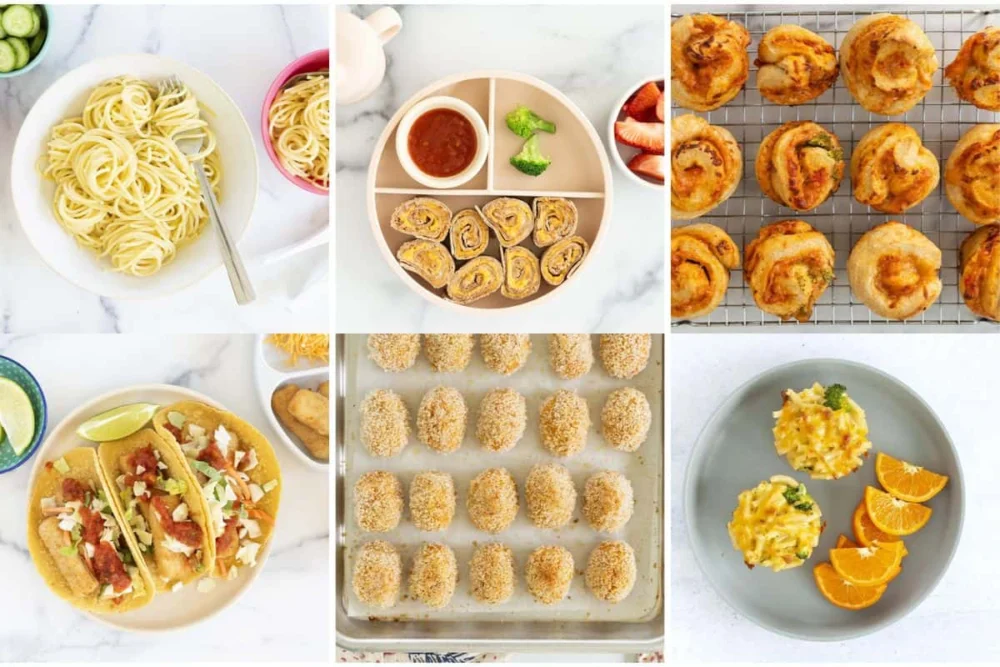
The challenge of feeding children who exhibit selective eating behaviors, commonly referred to as "picky eating," remains a primary concern for caregivers and a significant focus for pediatric nutrition experts. Recent data indicates that nearly 25% to 50% of children are described by their parents as picky eaters at some point during their development. In response to this widespread domestic hurdle, culinary experts and nutritionists have identified a specific subset of "sweet spot" recipes—including modified versions of pizza, mac and cheese, tacos, and nuggets—that balance sensory appeal with the rigorous nutritional requirements necessary for growing children. These meal options are designed to be affordable and efficient, targeting the intersection of child-led preference and parental health goals.
The Psychological and Physiological Context of Selective Eating
Selective eating is frequently a normal developmental stage known as food neophobia—the fear of new foods—which typically peaks between the ages of two and six. From an evolutionary perspective, this behavior served as a survival mechanism to prevent mobile toddlers from ingesting toxic plants. However, in the modern food environment, this trait often manifests as a rejection of bitter vegetables and a preference for "beige" foods, which are high in carbohydrates and provide a consistent sensory experience.

Experts in child development note that picky eating is rarely about the food itself and more often related to a child’s need for autonomy. By providing recipes that utilize familiar "safe" textures while subtly introducing varied nutrient profiles, caregivers can navigate this power struggle without compromising the child’s long-term health. The following recipes and strategies represent a clinical yet practical approach to managing household dinner routines.

Analysis of High-Performance Recipes for Selective Eaters
The efficacy of specific recipes in a picky eater’s diet is often determined by their "food chaining" potential—the ability to link a child’s accepted food to a slightly different, more nutritious version.

Enhanced Pasta and Grain Dishes
Pasta remains a staple for selective eaters due to its predictable texture. However, standard refined pasta often lacks essential fiber and micronutrients.
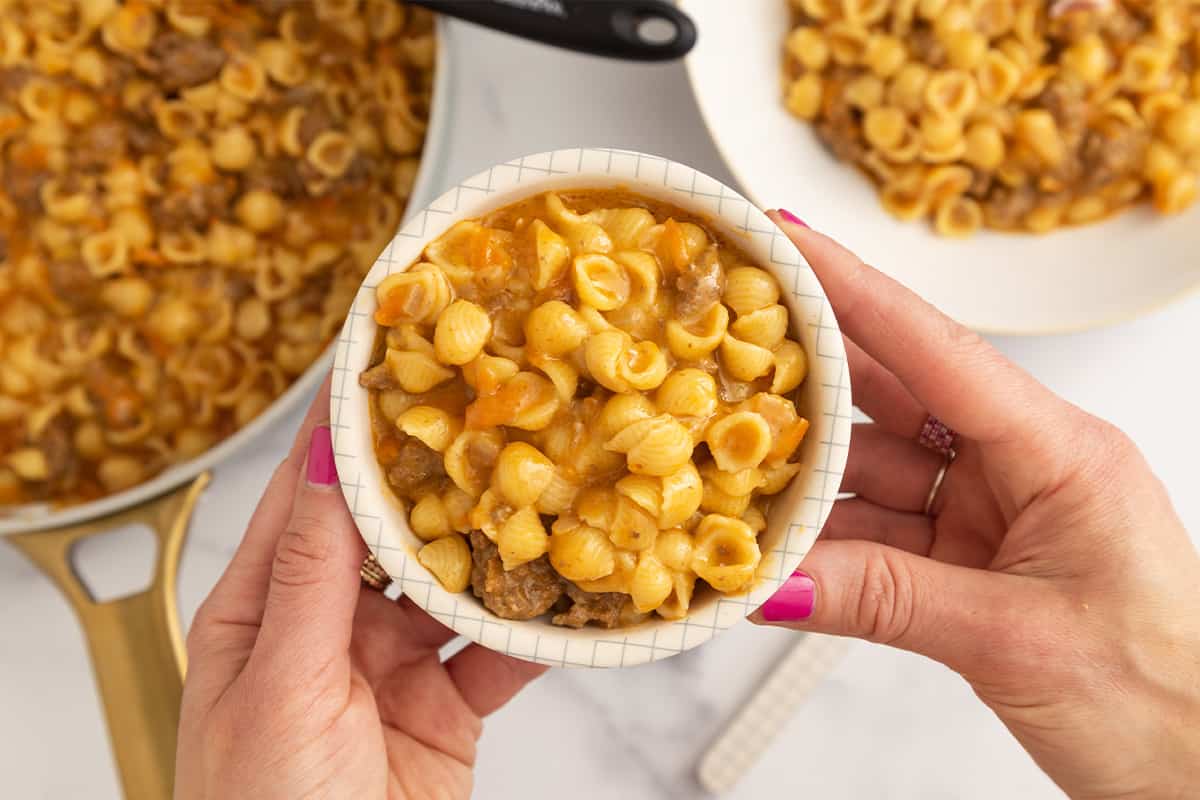
- Cheeseburger Pasta: This one-pot meal functions as a transitional dish. By combining the familiar flavor profile of a cheeseburger with the manageable texture of pasta, caregivers can introduce ground proteins and nuanced seasonings in a format that allows for "finger food" exploration.
- Rice Balls with Veggies: For many children, the loose texture of rice or quinoa is a sensory deterrent. Compacting these grains into handheld spheres increases the likelihood of consumption. This method also allows for the seamless integration of finely minced vegetables, providing a high-fiber alternative to traditional sides.
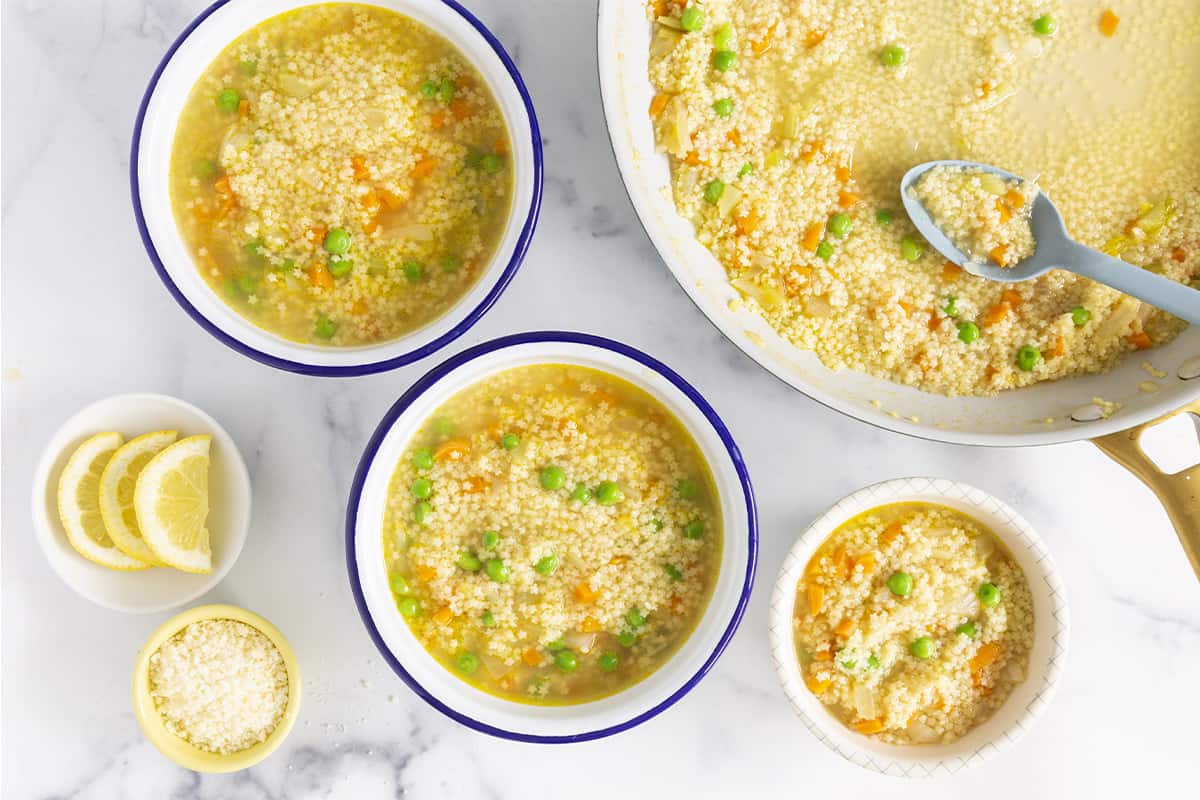
- Quick Pastina Soup: Utilizing star-shaped pasta in a vegetable broth serves two purposes: it provides hydration and offers a "soothing" meal option for children who may be sensitive to complex textures. This dish is often cited by pediatricians as an ideal "gateway soup" for introducing liquid-based meals.
Nutritional Iterations of Fast-Food Classics
The "nugget and pizza" archetype is the most common preference among picky eaters. Strategic modifications to these items can significantly alter their nutritional density.

- Homemade Chicken Nuggets with Sweet Potato: By incorporating mashed sweet potato into the breading or the meat mixture, caregivers introduce Vitamin A and fiber. The sweet potato’s natural sugars complement the savory chicken, making the addition palatable even to sensitive palates.
- Cauliflower Mac and Cheese: This recipe utilizes a pureed cauliflower base within the cheese sauce. Unlike "stealth health" methods that hide vegetables entirely, this approach modifies the sauce’s viscosity and nutritional profile while maintaining the visual cues of a standard cheese dish.
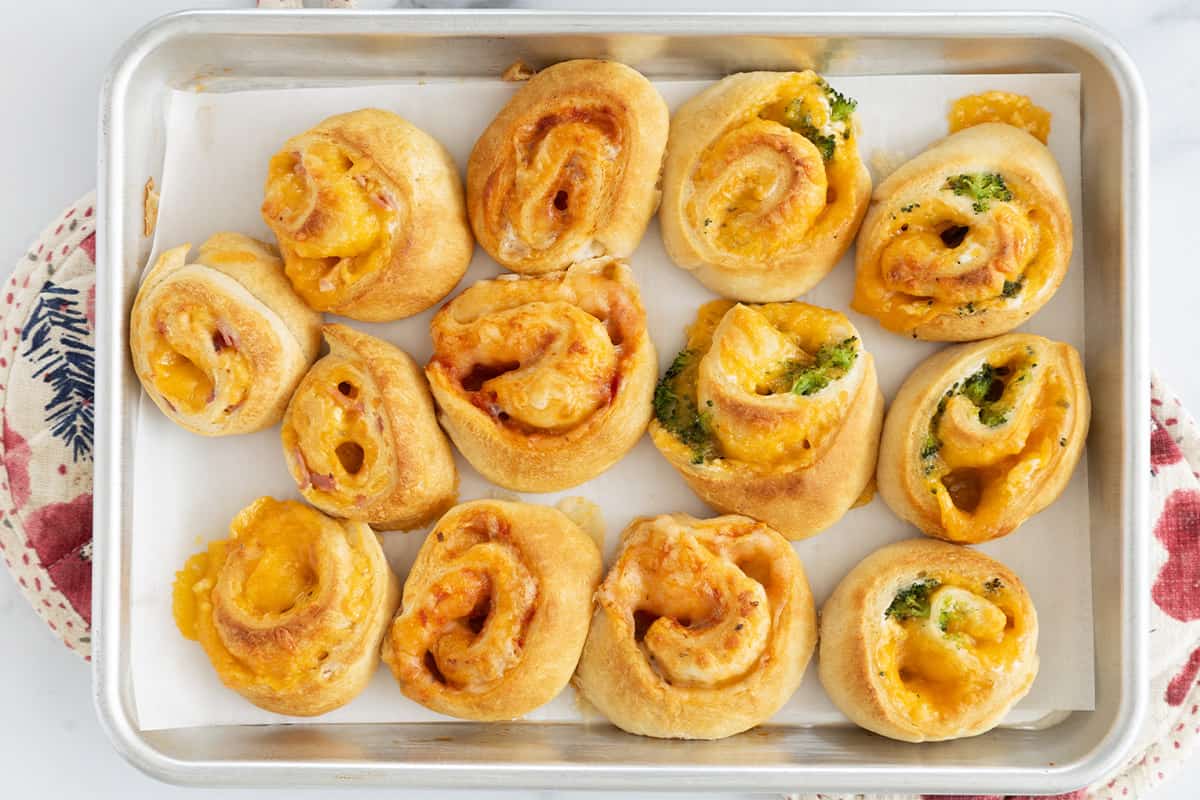
- Pizza Rolls and Pinwheels: The "spiral" or "roll" shape of these dishes appeals to a child’s preference for novelty. Incorporating fresh spinach or finely chopped broccoli into the folds of a pizza roll allows for exposure to greens in a format where the dominant flavors remain cheese and tomato sauce.
Economic Impact and Household Efficiency
The financial burden of picky eating is a documented concern for middle-to-low-income households. Food waste increases significantly when children reject meals, leading to a "short-order cook" syndrome where parents prepare multiple dishes to ensure the child eats.

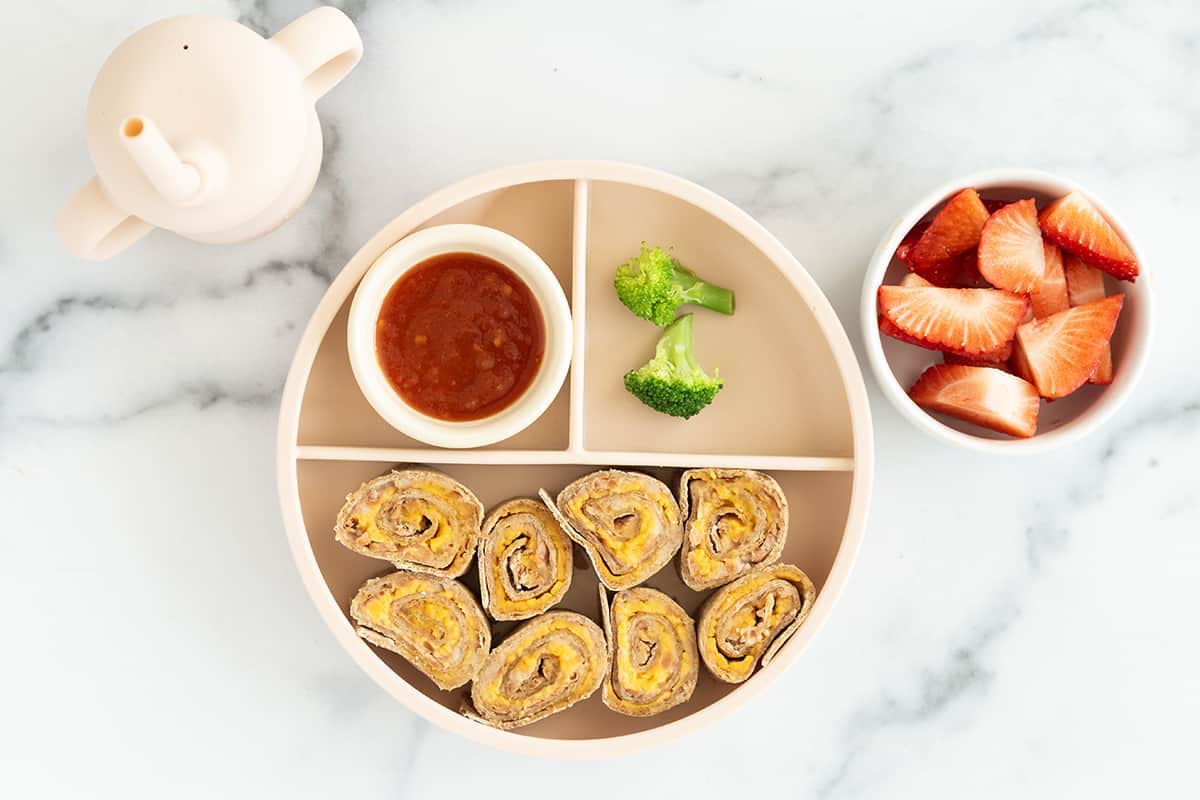
Data suggests that recipes with a preparation time of under 30 minutes and a limited ingredient list—specifically those utilizing pantry staples like frozen peas, dried pasta, and canned beans—reduce the economic risk of meal rejection. For instance, "Quick Pasta with Peas" or "Easy Taco Roll-ups" utilize low-cost, long-shelf-life ingredients that can be repurposed if not consumed, thereby minimizing household food waste.

The Chronology of Food Exposure
Successful dietary intervention for picky eaters follows a specific chronological progression. Experts suggest that a child may need to be exposed to a new food between 10 and 15 times before they develop a preference for it.
- Visual Exposure: The food is present on the table but not on the child’s plate.
- Interaction: The child helps prepare the food (e.g., rolling pizza dough) without the pressure to eat it.
- Plate Presence: The food is placed on the child’s plate as a "learning food" alongside a "safe food."
- Sensory Exploration: The child smells or touches the food.
- Taste Testing: The child licks or takes a small bite, with the option to spit it out if it is overwhelming.
- Incorporation: The food becomes a regular part of the child’s diet.
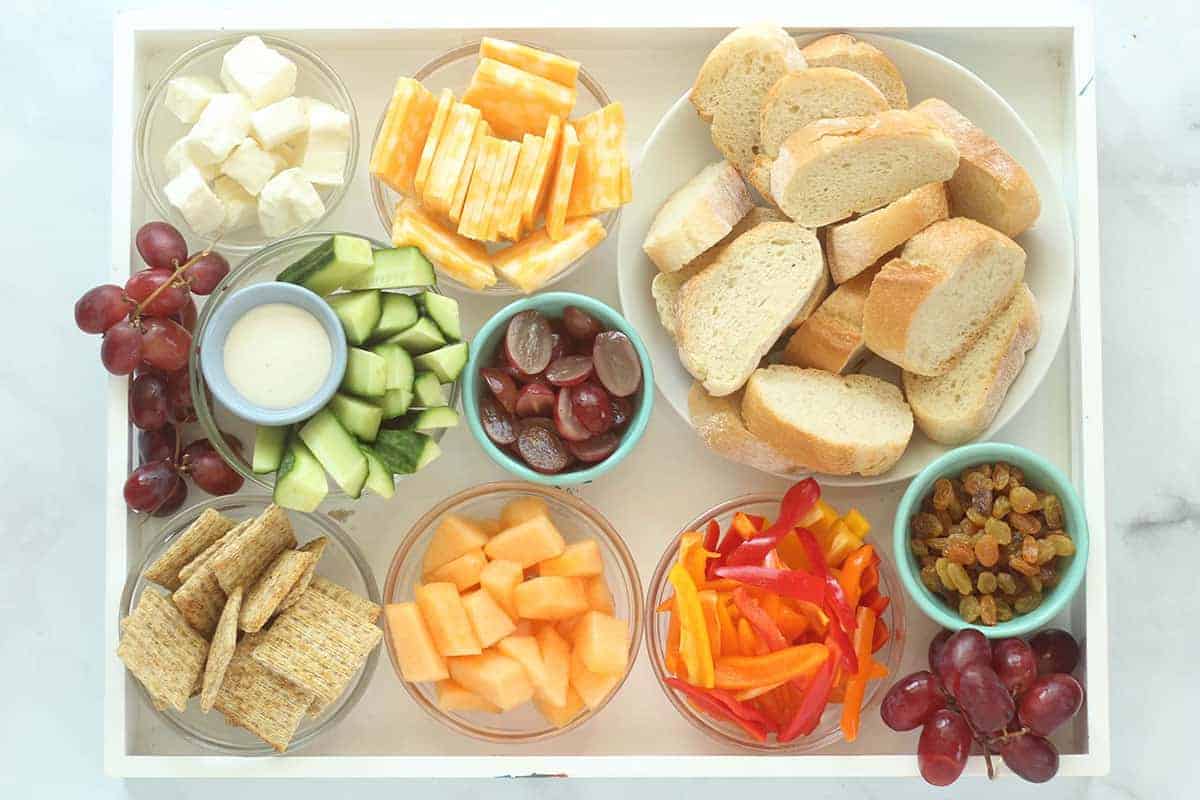
Recipes like "Easy Snack Dinners" (snack plates) facilitate this chronology by allowing children to choose which items they interact with in a low-pressure environment.

Expert Reactions and Behavioral Guidelines
Amy, a prominent recipe developer and mother of three, emphasizes that these recipes are "not magic," but rather tools to facilitate a more peaceful mealtime. Her approach aligns with the "Division of Responsibility" (DOR) framework developed by Ellyn Satter, a renowned dietitian and family therapist.

Under the DOR framework:

- The Parent’s Role: Deciding what is served, when it is served, and where it is served.
- The Child’s Role: Deciding whether to eat and how much to eat.
By serving "picky-eater friendly" recipes that are also palatable for adults—such as Fish Stick Tacos or Rice Noodle Soup—parents can adhere to the DOR framework without the need for separate meal preparation. This creates a cohesive family dining experience, which studies show is linked to better nutritional outcomes and improved social development in children.
Broader Implications for Public Health
The long-term implications of managing picky eating extend beyond domestic peace. Children who maintain a highly restricted diet into adolescence are at a higher risk for nutrient deficiencies, particularly in iron, zinc, and fiber. Furthermore, a limited palate in childhood is often a predictor of poor dietary variety in adulthood, which is a risk factor for chronic conditions such as obesity and Type 2 diabetes.

The shift toward "nutritious but familiar" recipes represents a pragmatic middle ground in public health messaging. Rather than demanding a complete overhaul of the "kid food" culture, nutritionists are increasingly advocating for the "fortification" of existing favorites. By improving the quality of the nuggets, pizzas, and pastas that children already accept, caregivers can ensure a baseline of health while working toward the long-term goal of dietary variety.
Conclusion and Strategic Recommendations
For families struggling with selective eating, the transition to a more varied diet is a marathon, not a sprint. The "All-Time Best" recipes identified—ranging from Cheeseburger Pasta to Mac and Cheese Bites—provide a foundation for this transition.
To maximize success, caregivers are encouraged to:
- Prioritize Consistency: Serve meals at predictable times to regulate hunger cues.
- Reduce Liquid Calories: Limit milk or juice consumption between meals to ensure the child arrives at the table with an appetite.
- Model Behavior: Children are more likely to try new foods if they see their caregivers enjoying them.
- Utilize the Freezer: Many of these recipes, such as Pizza Pinwheels and Pancakes, are freezer-friendly, allowing for quick "safe meal" options on high-stress evenings.
By combining these culinary strategies with an understanding of the psychological drivers of picky eating, families can transform the dinner table from a site of conflict into an opportunity for growth and connection.
