

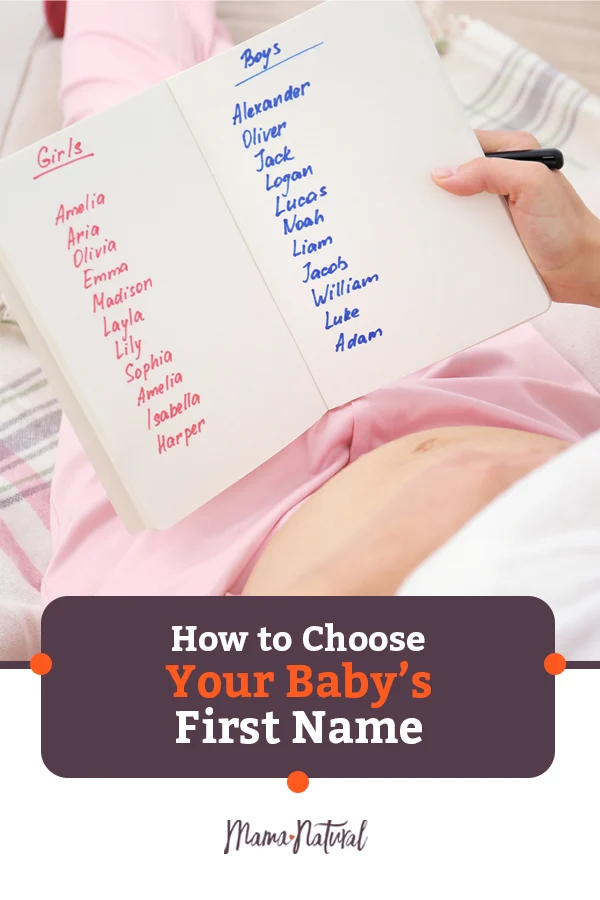
The selection of a child’s first name represents one of the earliest and most significant milestones in the transition to parenthood, serving as a permanent identifier that influences social perception and individual identity. While the process is often viewed through a lens of emotional significance, it increasingly involves strategic planning, linguistic analysis, and collaborative negotiation between partners. Data from the Social Security Administration (SSA) suggests that naming trends have shifted dramatically over the last century, moving away from a concentrated pool of traditional biblical names toward a highly fragmented landscape of unique and culturally diverse options. For modern parents, the challenge lies in balancing personal preference with practical considerations, ensuring the chosen name remains functional and resonant throughout the child’s life.
The Strategic Framework of Pediatric Nomenclature
The initial phase of the naming process requires a foundational agreement on the desired characteristics of the name. Experts in child development and sociology note that a name is more than a label; it is a "first gift" that carries cultural, familial, and social weight. To navigate this, parents are encouraged to establish a set of criteria before reviewing specific lists. This involves discussing the desired level of popularity, the importance of family heritage, and the specific "vibe" or aesthetic of the name—whether it be modern, vintage, or classic.
Establishing these boundaries early helps to mitigate future conflicts. For instance, if one parent prioritizes a "top ten" name for its familiarity and ease of pronunciation, while the other seeks a name outside the top 1,000 to ensure uniqueness, recognizing this discrepancy early allows for a more focused search for a middle ground.
Data-Driven Inspiration and the Rise of Digital Databases
In the digital age, the search for the perfect name has moved beyond traditional baby books to sophisticated online databases and algorithmic "baby name finders." These tools allow parents to filter names by origin, syllable count, meaning, and popularity rankings. The SSA provides a comprehensive annual report on naming trends, which serves as a critical resource for parents wishing to avoid or embrace "trendiness."
Currently, there is a visible resurgence in "vintage" names—a phenomenon often referred to by sociologists as the "100-year rule," where names that were popular a century ago, such as Sadie or Minnie, regain favor as they begin to sound fresh to a new generation. Simultaneously, there is a growing interest in niche categories, such as:
- Biblical and Theological Names: Traditional names for boys and girls that offer a sense of historical continuity.
- Unique and Modern Coinages: Names like Paisley or Kenzie that reflect contemporary linguistic styles.
- Global and Cross-Cultural Names: The exploration of origins from different corners of the globe, such as Polynesian or Scandinavian roots, to find sounds that are phonetically pleasing but less common in the domestic market.
Linguistic Analysis and the Importance of Meaning
A significant portion of the naming process involves etymological research. Every name carries an inherent meaning that can influence a parent’s choice. For example, parents seeking to instill a sense of resilience might bypass obvious names like "Valor" in favor of "Ethan," which is derived from Hebrew and signifies "enduring and strong."
This search for meaning often extends to the child’s perceived temperament or the circumstances of their birth. Parents of twins often look for names that are complementary in meaning or origin without being overly repetitive. If a child is perceived as particularly active during pregnancy, names meaning "life" or "vitality," such as Vida or Eva, are frequently considered. Conversely, for a perceived calm demeanor, names meaning "peace," such as Salma or Arina, may be selected.
Phonetic Compatibility and Structural Integrity
Beyond the abstract meaning of a name, practical linguistic considerations regarding the surname are paramount. Professional namers and linguists suggest that the flow of a full name—the rhythm created by the combination of first, middle, and last names—is essential for long-term satisfaction. Key questions during this phase include:

- Syllabic Balance: Does a short first name pair well with a long surname? (e.g., "Max Alexander" vs. "Maximilian Smith").
- Alliteration and Assonance: Do the ending of the first name and the beginning of the last name create a "tongue twister" effect?
- Initial and Monogram Analysis: Do the initials of the full name inadvertently spell out an undesirable word or acronym?
Resolving Domestic Naming Disputes
Conflict is a common element of the naming process, often arising from differing aesthetic tastes or sentimental attachments. Journalistic observations of parenting trends indicate that "naming feuds" are frequently resolved through a series of compromises. These include:
- The "Veto" System: Each parent is given a set number of absolute vetoes to eliminate names they find unacceptable.
- The Middle Name Compromise: Using a partner’s favorite name in the middle position rather than as the primary identifier.
- Variant Selection: Choosing a similar-sounding alternative (e.g., substituting "Isabel" for "Isabella") to bridge the gap between two preferences.
- The "Starbucks Test": A practical exercise where parents use a prospective name at a coffee shop or in a public setting to see how it feels to say aloud and how others react to it.
The Timeline of the Final Decision
There is no standardized timeline for finalizing a name. While some parents enter pregnancy with a definitive choice, others wait until the moment of birth to see if the name "fits" the child’s physical appearance. This delay is increasingly common, as it allows parents to interact with the infant before committing to a lifelong label.
From a legal perspective, hospitals in most jurisdictions require a name for the birth certificate before discharge, though there is usually a grace period for parents who remain undecided. Experts suggest that while the pressure to choose is high, the decision should not be rushed, as "naming regret" is a documented phenomenon among parents who felt coerced or hurried into a choice.
The Sociology of Disclosure: Privacy vs. Public Reveal
The decision of whether to reveal a baby’s name before birth is a subject of significant social debate. Many parents opt for privacy to avoid unsolicited opinions or "name stealing" within their social circles. Others choose to "shout it from the rooftops" to solidify the child’s identity within the family unit before arrival.
Data suggests that public reveals can lead to external pressure; if a family member reacts negatively to a chosen name, it can cause the parents to second-guess a decision they were previously confident in. Consequently, many modern parents adopt a "wait and see" approach when questioned by friends and family, often stating they are waiting to meet the baby before making a final announcement.
Broader Impact and Implications
The long-term implications of a name extend into adulthood. Studies in the field of economics and sociology, including research published by the National Bureau of Economic Research, have investigated how names can impact resume callback rates and career trajectory. While the "uniqueness" of a name can be a source of pride and individuality, names that are difficult to spell or pronounce may present minor but frequent hurdles in professional and administrative contexts.
Furthermore, the rise of "gender-neutral" naming reflects a broader societal shift toward fluidity and inclusivity. Names like Charlie, Jordan, and Avery have seen a surge in popularity as parents seek options that provide their children with a flexible identity.
Ultimately, the process of selecting a first name is a blend of artistic expression and strategic decision-making. By utilizing available data, engaging in honest communication, and considering the phonetic and social implications of their choice, parents can provide their child with a name that is both a functional tool for the future and a meaningful reflection of their heritage and hopes.
