

For decades, parents and developmental psychologists have sought methods to mitigate the "communication gap" that exists between the time an infant develops clear desires and the time they possess the physiological ability to articulate those needs through speech. Baby Sign Language (BSL), a modified version of American Sign Language (ASL), has emerged as a scientifically supported intervention designed to bridge this temporal divide. By utilizing a simplified lexicon of manual signs, caregivers can establish a functional dialogue with infants as young as six months old, potentially transforming the early childhood experience from one of frustration to one of active engagement.
The Evolution and Clinical Context of Infant Gestural Communication
The formal study of baby sign language gained significant momentum in the 1980s, primarily through the research of Dr. Linda Acredolo and Dr. Susan Goodwyn. Their longitudinal studies, funded by the National Institutes of Health (NIH), indicated that infants who used symbolic gestures exhibited accelerated verbal development and higher-than-average IQ scores in later childhood. The premise of BSL is rooted in the biological reality that an infant’s motor skills—specifically the ability to control hand and arm movements—develop significantly faster than the complex laryngeal and lingual coordination required for spoken language.
While ASL is a complete, complex language with its own grammar and syntax, BSL is a specialized subset. It prioritizes "key-word signing," focusing on nouns and verbs that are most relevant to an infant’s daily survival and comfort. This pragmatic approach allows for a "bridge" to be built, allowing the child to express internal states—such as hunger, fatigue, or discomfort—months before they can form the consonant-vowel combinations necessary for words like "milk" or "sleep."
Developmental Timeline and Milestones
The implementation of baby sign language follows a predictable chronological trajectory aligned with neuro-motor development. Understanding this timeline is essential for managing parental expectations and ensuring a successful introduction of the practice.
Four to Six Months: The Observational Phase
During this period, an infant’s eyesight and cognitive processing reach a level where they can begin to track and recognize repeated manual patterns. While they lack the dexterity to replicate signs, this is the optimal window for parents to begin modeling basic gestures.
Six to Nine Months: The Associative Phase
At this stage, infants begin to associate specific hand shapes with outcomes. For example, seeing the "milk" sign consistently before a feeding session builds the neural pathways necessary for the child to eventually initiate the sign themselves.
Nine to Twelve Months: The Expressive Phase
Most infants will produce their first intentional sign during this window. Initial attempts may be "clumsy" or approximate—much like early babbling—but they represent a significant milestone in cognitive agency. By twelve months, many signing infants possess a functional "active" vocabulary of 5 to 10 signs.
Quantifiable Benefits and Psychological Impact
The adoption of BSL is not merely a trend in modern parenting; it is supported by a growing body of data regarding emotional regulation and cognitive load.
1. Mitigation of the "Frustration-Tantrum" Cycle
The primary driver of temper tantrums in children aged 12 to 18 months is the inability to communicate complex needs. Clinical observations suggest that children with a basic repertoire of signs exhibit fewer and less intense behavioral outbursts. When a child can sign "water" instead of crying to signal thirst, the caregiver can respond immediately, reinforcing the child’s sense of efficacy and security.
2. Socio-Emotional Development and Self-Esteem
Early communication fosters a stronger "attachment bond." When a parent accurately interprets a child’s sign, it validates the child’s internal experience. This "serve-and-return" interaction is critical for developing the prefrontal cortex, the area of the brain responsible for executive function and emotional control.
3. Impacts on Verbal Acquisition
A common concern among critics is that BSL might delay speech. However, a 2006 study published by the University of Western Ontario found that gestural communication actually serves as a scaffolding for verbal skills. The study concluded that signing does not replace speech; rather, it provides a conceptual framework that makes learning spoken words easier once the physiological capacity matures.
Practical Methodology for Caregivers
Transitioning from theory to practice requires a disciplined, repetitive approach. Professional educators suggest a three-pillar strategy for successful implementation.
Consistency and Repetition
The "sign-and-say" method is considered the gold standard. Caregivers must perform the sign while simultaneously speaking the word clearly. This reinforces the link between the manual gesture, the auditory stimulus, and the physical object or action.
Contextual Relevance
Initial signs should be limited to high-frequency activities. Introducing too many signs simultaneously can lead to cognitive overstimulation. Experts recommend starting with a core group of five signs—usually "milk," "more," "eat," "mommy," and "daddy"—before expanding the lexicon.
Positive Reinforcement
The goal is to make communication a rewarding experience. When an infant attempts a sign, immediate verbal and physical validation is necessary. This "praise loop" encourages the child to continue experimenting with manual communication.
A Lexicon of Essential Signs: Technical Descriptions
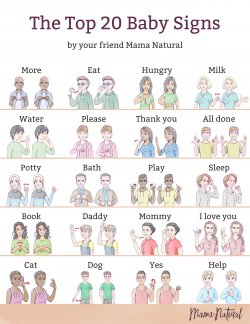
For parents seeking to implement this tool, the following twenty signs represent the most functional vocabulary for an infant’s daily routine.
- More: Bring the fingertips of both hands together repeatedly. This is often the first sign learned as it relates to the continuation of a desired stimulus.
- Eat: Form a flattened "O" shape with the hand and tap the fingertips against the lips.
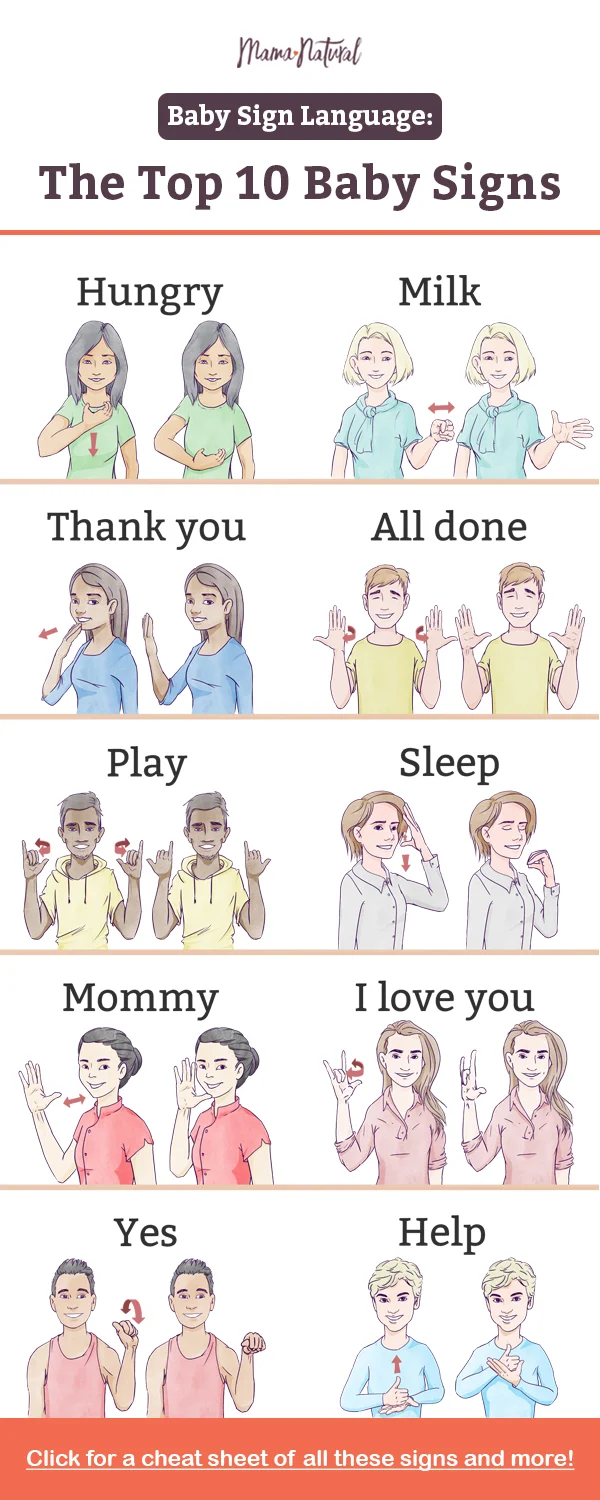
- Hungry: Place the hand in a "C" shape against the chest and move it downward toward the stomach, mimicking the path of food.
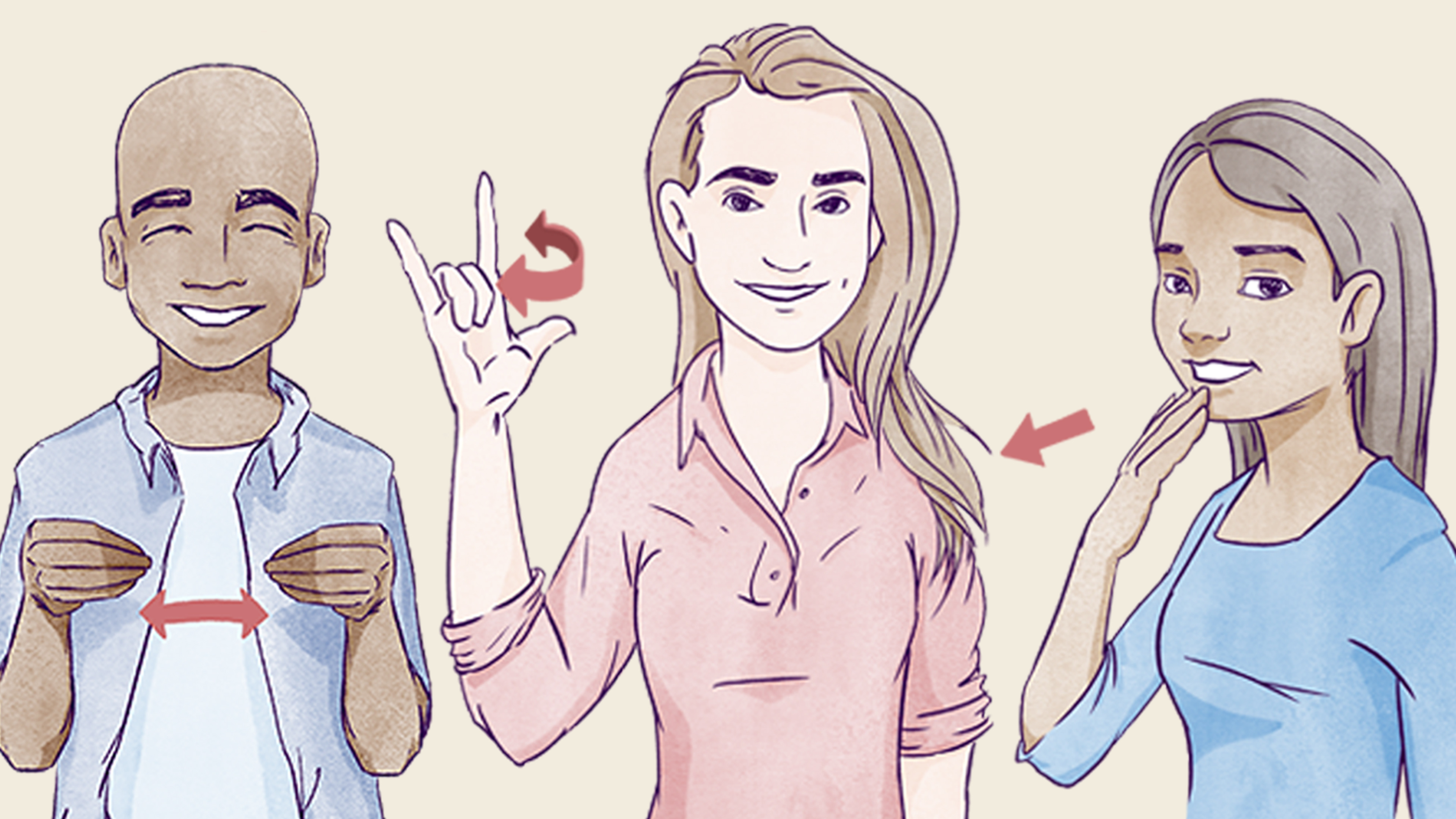
- Milk: Extend and retract the fingers in a squeezing motion, similar to milking a cow. This is a vital sign for nutritional communication.
- Water: Form a "W" with the three middle fingers and tap the index finger against the chin.
- Please: Place a flat palm on the chest and move it in a circular motion. This introduces early social etiquette.
- Thank You: Touch the fingertips to the chin and move the hand forward and down, similar to blowing a kiss.
- All Done: Hold both hands up with palms facing the body, then quickly rotate them so the palms face outward. This is essential for ending meal times or activities.
- Change: Form hooks with the index fingers of both hands, then rotate the wrists to switch the position of the hands. This allows an infant to signal discomfort regarding a soiled diaper.
- Potty: Form a fist with the thumb tucked between the index and middle fingers (the "T" sign in ASL) and shake the hand side to side.
- Bath: Form two fists and rub them up and down the chest, mimicking the act of scrubbing.
- Play: Extend the thumb and pinky finger while tucking the other fingers into the palm (the "Y" sign), then twist the wrist back and forth.
- Sleep: Start with the hand over the forehead, fingers spread, then draw the hand down the face while closing the fingers to a point at the chin.
- Book: Place the palms together and then open them as if opening a hinge, keeping the pinky fingers touching.
- Daddy: Tap the thumb of an open hand against the forehead.
- Mommy: Tap the thumb of an open hand against the chin.
- Dog: Pat the thigh and then snap the fingers, mimicking a common call for a canine.
- Cat: Use the thumb and index finger to "pull" imaginary whiskers away from the side of the mouth.
- I Love You: Cross the arms over the chest in a self-hugging motion.
- Yes: Form a fist and tilt it up and down at the wrist, mimicking a nodding head.
- Help: Place a closed fist (thumb up) on top of a flat, open palm and lift both hands together.
Analysis of Long-Term Educational Implications
The implications of baby sign language extend beyond the toddler years. Educational researchers have noted that early signers often develop a more sophisticated "phonological awareness." Because they have spent months breaking down concepts into symbols (signs) before they could speak, they may have a neurological advantage when it comes to learning to read and write.
Furthermore, the use of BSL promotes "joint attention," a state where the child and caregiver are focused on the same object and on each other. High levels of joint attention in infancy are strong predictors of advanced social intelligence and empathy in later life.
Conclusion
Baby sign language represents a significant advancement in responsive caregiving. By acknowledging that infants possess the cognitive capacity for language long before they possess the vocal hardware, parents can foster an environment of mutual understanding. While the process requires patience and consistent effort, the data suggests that the benefits—ranging from reduced household stress to accelerated cognitive milestones—make BSL a valuable component of modern early childhood development. As research continues to evolve, it is likely that gestural communication will move from an elective parenting "extra" to a standard recommendation in pediatric developmental guidelines.
