

For many parents, the once-simple act of leaving the house has transformed into a complex, multi-stage operation. With the return to school and daycare, the perennial challenge of getting children ready on time necessitates robust strategies, blending proactive preparation with engaging motivational techniques to ensure a smoother, less stressful start to the day for both children and caregivers. Studies consistently show that parental stress levels often peak during the morning routine, impacting overall family well-being and even workplace productivity. As educators and child development experts affirm, establishing clear, consistent routines is not merely a convenience but a foundational element for fostering predictability, emotional regulation, and independence in children.

The Pervasive Challenge of Modern Mornings
The idyllic image of a calm, leisurely morning often clashes with the reality faced by families. What was once a simple grab-and-go for adults – keys, purse, shoes, out the door – becomes a logistical gauntlet with children. Tasks multiply: dressing multiple children, preparing diverse breakfasts, packing lunches, finding lost shoes, mediating sibling squabbles, and managing unexpected meltdowns. A 2019 survey by Bright Horizons, for instance, revealed that a significant majority of working parents report feeling stressed about their morning routines, with many admitting to being frequently late for work due to these challenges. This underscores the need for systematic approaches to navigate the daily morning chaos.

The Psychological Underpinnings: Why Routines Matter
Child development specialists consistently highlight the critical role of predictable routines in a child’s psychological well-being. Routines provide children with a sense of security and control in their environment. When children know what to expect, they are better able to anticipate tasks, manage their emotions, and develop self-help skills. This predictability reduces anxiety and the likelihood of oppositional behavior, which often stems from uncertainty or a perceived lack of control. As Dr. Laura Markham, a clinical psychologist, often notes, "Children thrive on routine because it creates a sense of safety and predictability in their world." The transition from the relaxed, unstructured days of summer back to the demanding schedule of the school year makes reinforcing or re-establishing these routines particularly crucial.

Strategic Preparation: Mastering the Evening Before
One of the most impactful strategies for a smoother morning begins the night before. Proactive evening preparation significantly reduces the cognitive load and frantic activity during peak morning hours. This involves a comprehensive checklist of tasks that can be completed without the morning pressure. Parents can lay out clothes for each child, involving them in the selection process to foster autonomy and minimize morning disagreements. Preparing lunch boxes and snacks, clearing the dinner table, and even setting out breakfast dishes can save valuable minutes. For families with multiple children, these small, cumulative actions can translate into substantial time savings.

- Weekly Wardrobe Planning: To take evening prep a step further, consider a weekly clothes organizer. This system allows parents to plan and lay out an entire week’s worth of outfits on Sunday, eliminating daily clothing debates and last-minute searches for matching socks. Products like hanging weekly organizers with labeled compartments can be particularly effective, enabling children to easily grab their designated outfit each morning. This not only streamlines the dressing process but also teaches children organizational skills and responsibility.
Cultivating Calm: Prioritizing Parental Well-being
An often-overlooked element of a successful morning routine is the parent’s own state of mind. Waking up a short time before the children can offer a vital window for personal preparation and mental centering. This "me-time," whether for a quiet cup of coffee, a brief meditation, or simply getting dressed in peace, allows parents to approach the morning with greater calm and focus. While sacrificing sleep might seem counterintuitive, studies suggest that even 15-30 minutes of undisturbed personal time can significantly reduce parental stress, making them more patient and effective guides through the children’s routine. This proactive self-care sets a positive tone for the entire household, preventing parental anxiety from cascading onto the children.
Precision and Predictability: Leveraging Time Management Tools
Time management is paramount when orchestrating a multi-person morning routine. Verbal reminders, such as "15 minutes until the bus" or "5 minutes until shoes," are helpful but can be significantly enhanced by visual or auditory cues. Timers, especially visual countdown timers, are invaluable for children who cannot yet read traditional clocks. These devices feature a colored disc that gradually disappears, providing a concrete, intuitive representation of passing time. This externalizes the responsibility of time awareness, shifting it from constant parental nagging to an objective tool.
- Visual Aids for Young Minds: Products like the Hatch Rest, an "ok-to-wake" clock, use light and sound cues to signal when it’s appropriate for children to get out of bed, preventing overly early risers from disrupting household sleep. Similarly, dedicated visual timer clocks, some even featuring animal icons or color-coded segments instead of numbers, cater directly to younger children’s developmental stage. For an auditory approach, a curated morning playlist with distinct songs for different tasks (e.g., one song for getting dressed, another for breakfast) can provide a fun and engaging structure.
Engagement Through Play: Gamifying the Routine
Children are naturally motivated by play and competition. Incorporating elements of "gamification" into the morning routine can transform dreaded tasks into enjoyable challenges. Simple races, such as "Can you get all your clothes on before I finish brushing my teeth?" or "Who can put their socks on fastest?" can inject energy and urgency without resorting to pressure. This leverages children’s innate desire for accomplishment and turns mundane chores into opportunities for positive interaction. The power of play, as recognized by early childhood educators, is a potent tool for behavioral motivation.

Empowering Independence: The Role of Checklists and Rewards
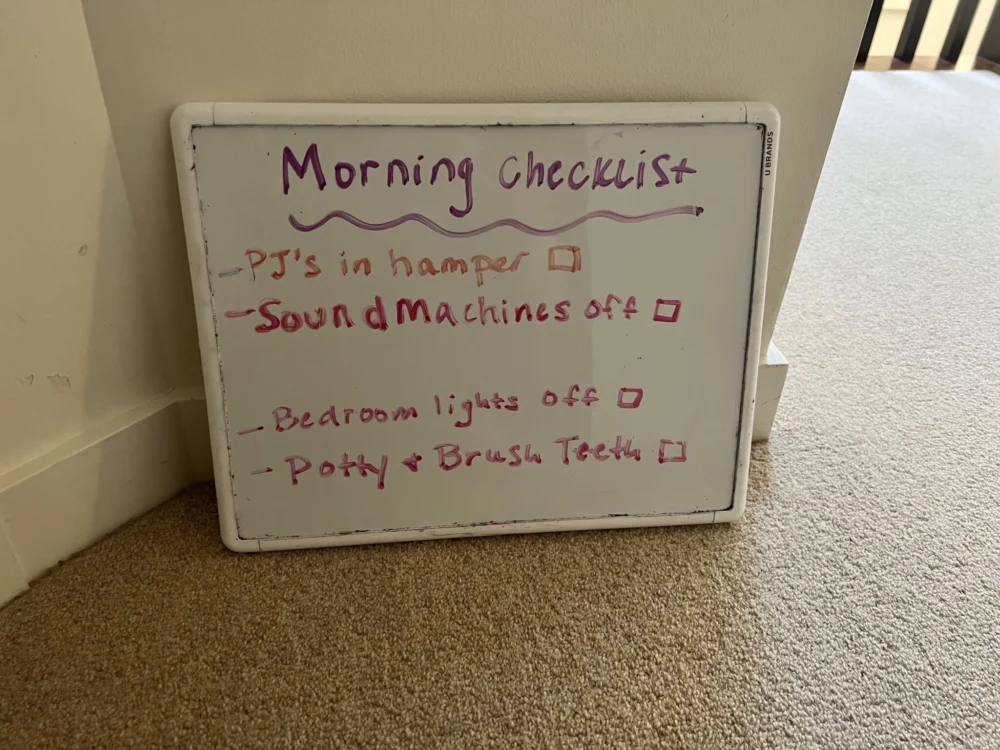
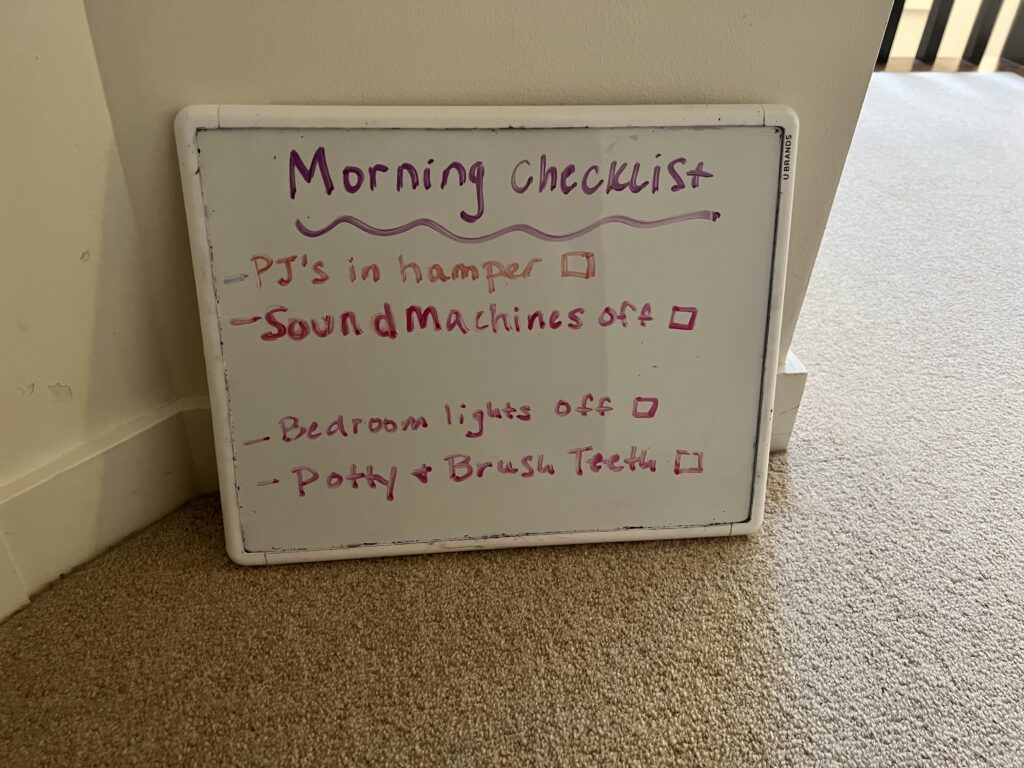
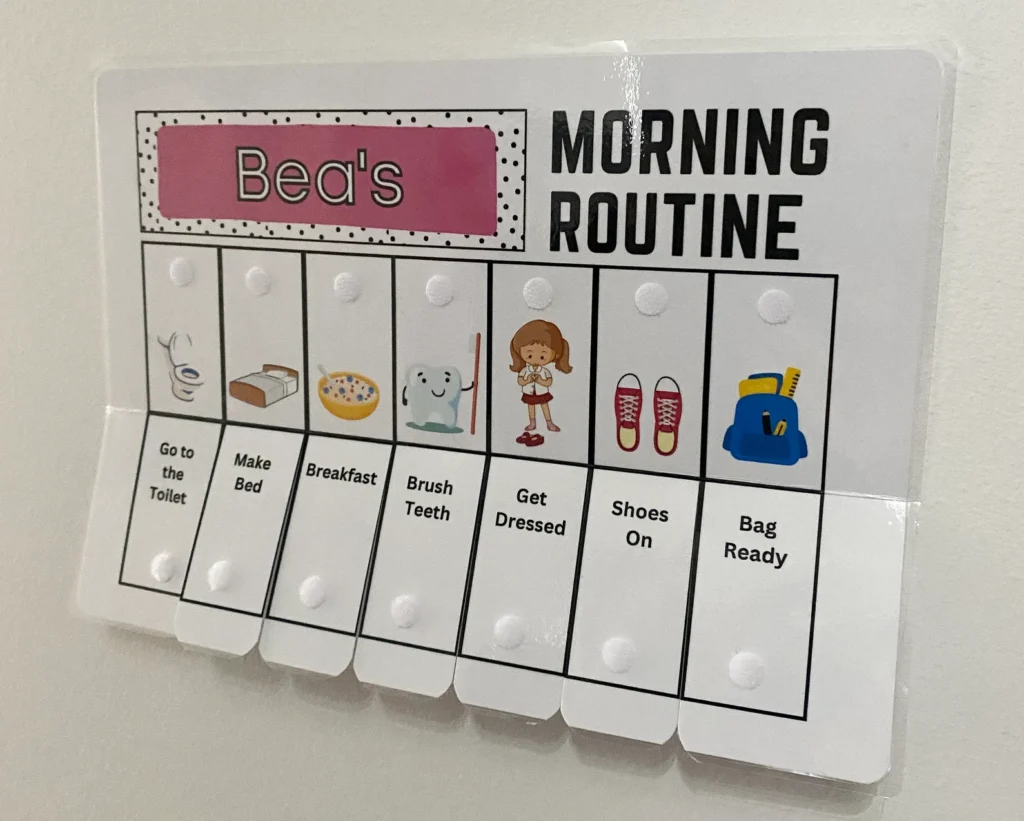
Clear expectations, visually communicated, empower children to take ownership of their routine. Checklists, tailored to a child’s age and literacy level, provide a step-by-step guide for morning tasks. For non-readers, picture-based charts are highly effective. Placing these checklists prominently, such as outside bedroom doors or on the refrigerator, ensures children can independently track their progress. This fosters a sense of responsibility and achievement as they complete each item.

- Interactive Task Management: A dry erase whiteboard offers flexibility for custom checklists that can be easily updated. For a more tactile experience, visual morning charts with velcro tabs or reusable chore charts with sliding check boxes provide immediate, satisfying feedback as tasks are completed.
- The Incentive of "Free Time": Offering a period of "free time" as a reward for completing all morning tasks on schedule can be a powerful motivator. During this designated interval, children can engage in preferred activities, such as playing with toys, drawing, or reading. While screen time can be an option, it is often advisable to set limits or encourage educational content to avoid excessive digital engagement. The key is that this "free time" is earned, reinforcing the link between efficient task completion and desirable outcomes. Care must be taken to ensure this doesn’t inadvertently encourage children to wake excessively early solely for screen time, maintaining the balance of a healthy sleep schedule.
Streamlining the Fuel-Up: Simple Breakfast Solutions
Mornings are not the time for culinary experimentation. Keeping breakfast simple, nutritious, and quick-to-prepare is essential for staying on schedule. Options such as peanut butter and banana toast, instant oatmeal, whole-grain toaster waffles, avocado toast, or yogurt with granola provide adequate sustenance without demanding extensive preparation time. Preparing a portion of breakfast the night before, such as setting out dry cereal and bowls, can further reduce morning friction. The goal is to maximize nutritional value while minimizing time and effort.

Optimizing the Exit Strategy: Enhancing the Departure Point
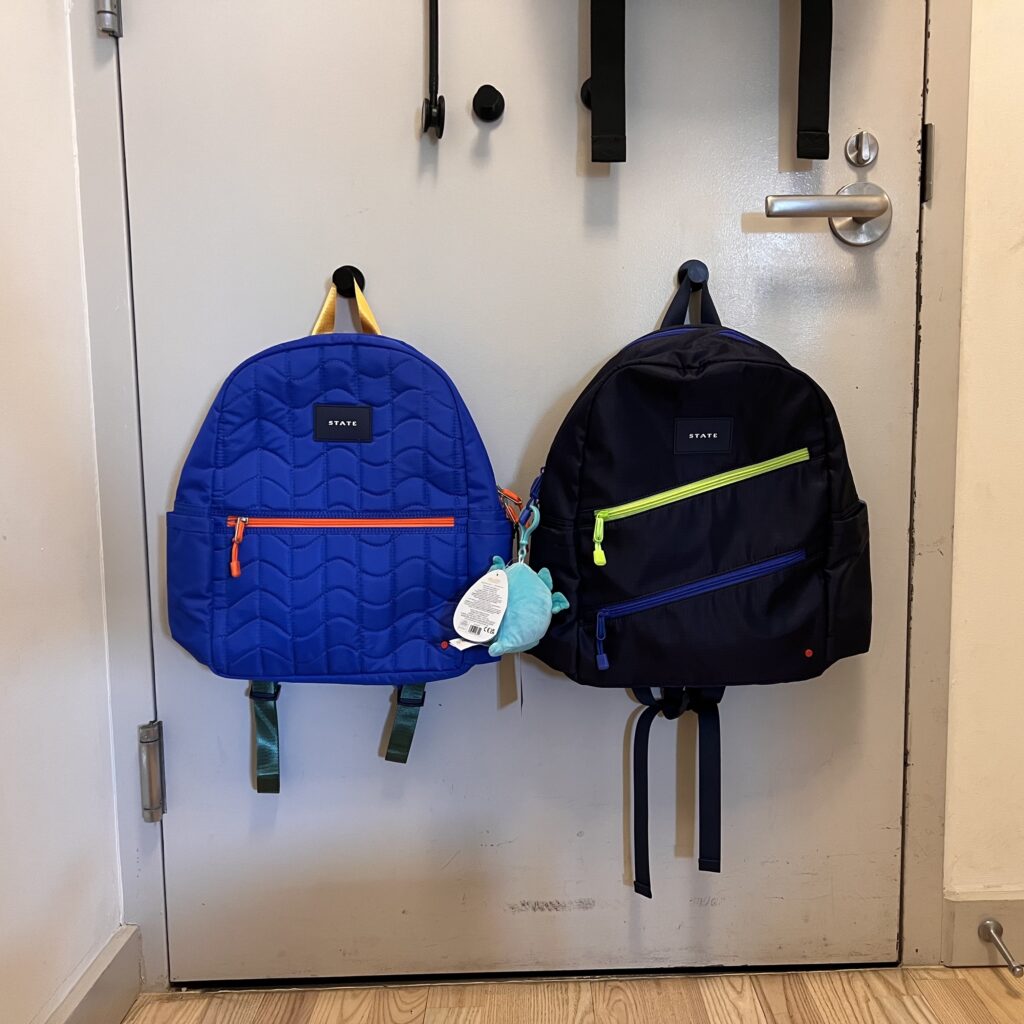
The final moments before leaving the house are often the most chaotic. An organized entryway can make a significant difference. Establishing a designated place for backpacks, shoes, and coats, ideally at the children’s level, promotes independence and reduces frantic searching. Wall hooks, magnetic hooks on metal doors, or low-level cubbies ensure that essential items are easily accessible.

- Frictionless Footwear and Organized Exits: Footwear can be a significant time sink. Kizik sneakers, with their hands-free design, eliminate the need for laces or velcro, allowing children to quickly slide them on without assistance. This small innovation can shave crucial minutes off the departure process. Ensuring backpacks and coats are hung at a child’s height further empowers them to manage their belongings, contributing to a smoother, more independent exit.
Broader Societal Implications
The cumulative effect of streamlined morning routines extends beyond individual households. Reduced parental stress contributes to improved mental health and overall well-being, fostering a more positive home environment. Children who consistently arrive at school on time, well-fed, and emotionally regulated are better prepared for learning, contributing to enhanced academic outcomes and social development. From a societal perspective, fewer instances of parental tardiness can lead to increased workplace productivity and reduced economic impact. These seemingly small daily victories contribute to a more functional and harmonious society.
Expert Consensus and Future Outlook
The consensus among child development experts, educators, and parenting coaches is clear: structured routines are indispensable for both children’s development and family harmony. While implementing these strategies requires initial effort and consistency, the long-term benefits of reduced stress, increased independence, and improved emotional regulation are profound. As the complexities of modern life continue to evolve, the ability to create calm and predictable starts to the day remains a critical skill for contemporary parenting. By embracing these proven tips and leveraging helpful organizational tools, families can transform their morning chaos into a predictable, empowering, and even enjoyable start to each day.
