

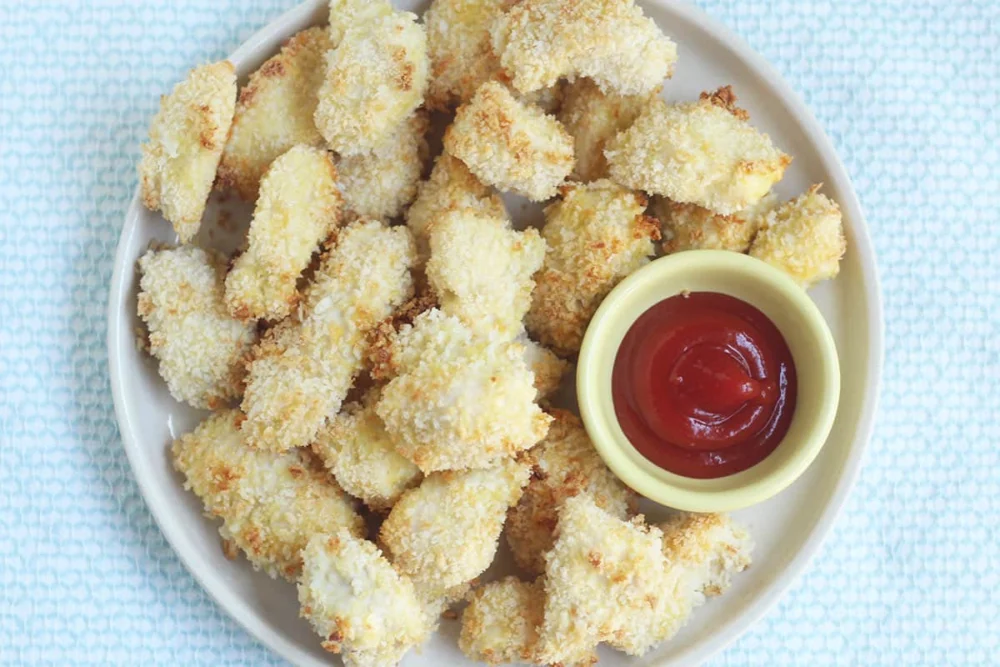
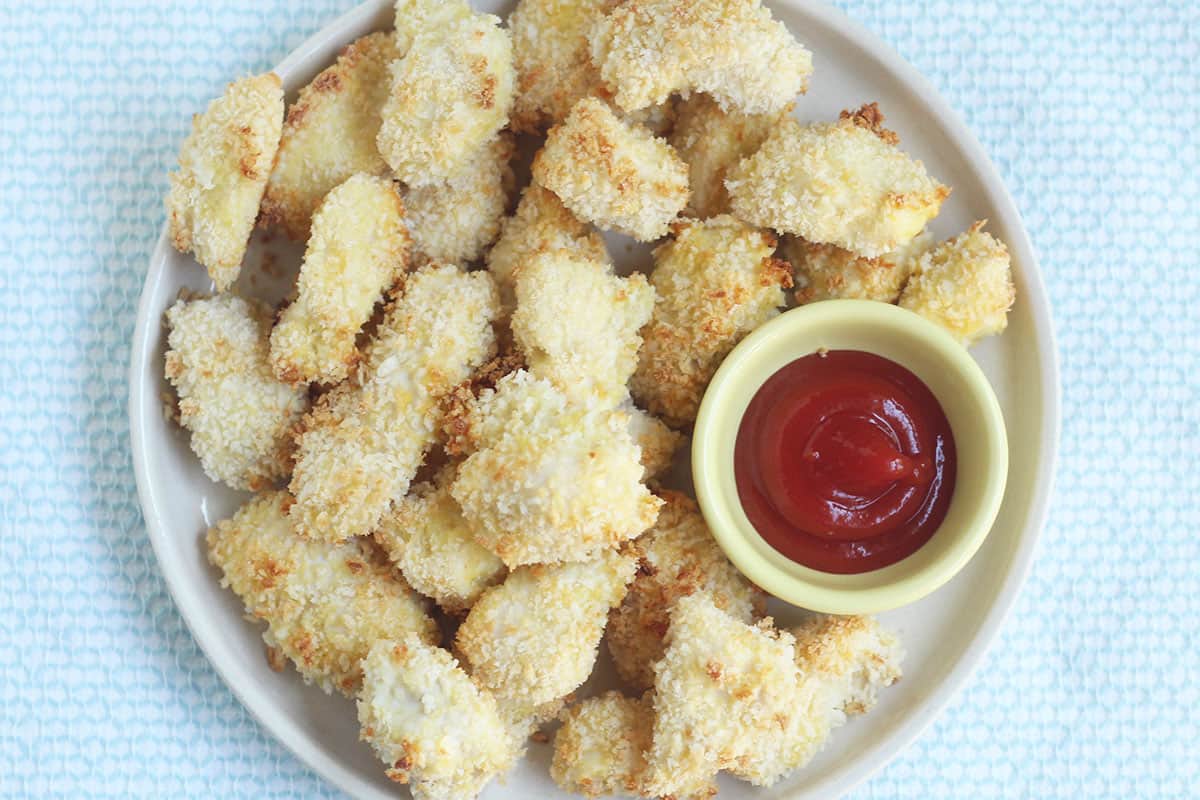
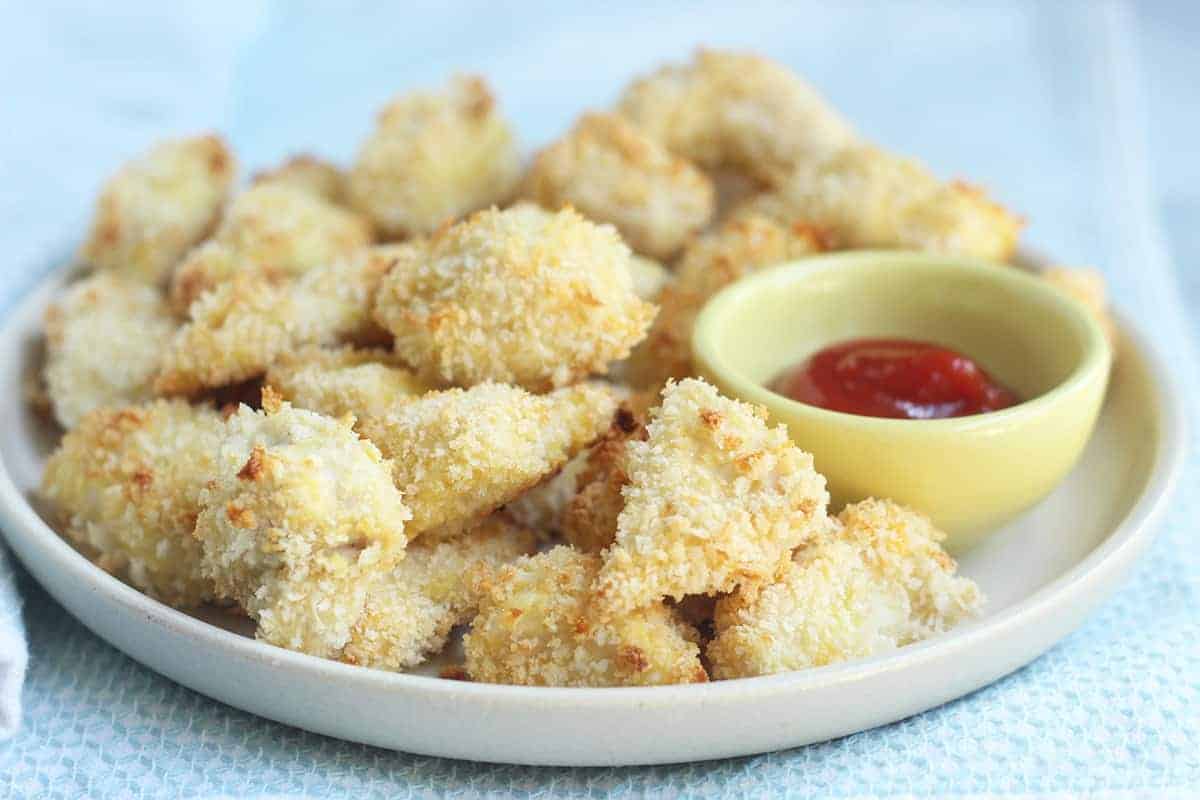
The landscape of American dinner tables has undergone a significant transformation over the last decade as parents increasingly prioritize nutritional density and ingredient transparency over the convenience of ultra-processed frozen foods. At the center of this shift is a staple of childhood nutrition: the chicken nugget. While the frozen food industry continues to dominate the market, a growing movement of home cooks is reclaiming this classic dish, utilizing simple techniques to produce baked chicken nuggets that offer a superior balance of "tender and crispy" textures without the hidden additives found in commercial alternatives. This transition toward homemade poultry products reflects a broader societal trend toward "clean label" eating, where the origins and preparation methods of food are as scrutinized as the flavor profiles themselves.
The Evolution of the Chicken Nugget: From Laboratory to Lunchbox
To understand the current resurgence of homemade nuggets, one must examine the historical context of the product’s invention. The chicken nugget was not a creation of a fast-food franchise, but rather a triumph of agricultural engineering. In the early 1960s, Robert C. Baker, a professor of food science at Cornell University, developed the "Chicken Crispie." Baker’s innovation solved two major problems in the poultry industry: how to keep breading attached to chicken during the freezing and frying process and how to utilize meat from older birds or smaller pieces of poultry.
Baker’s work laid the groundwork for the mass-market chicken nugget, which saw its commercial explosion in the early 1980s. However, the industrialization of the nugget introduced ingredients that have recently come under fire from health advocates. Commercial nuggets often contain autolyzed yeast extract, sodium phosphates, and dimethylpolysiloxane (an anti-foaming agent). By contrast, the contemporary movement toward homemade baked nuggets relies on a return to fundamental culinary principles: whole chicken breast, standard flour, eggs, and breadcrumbs.
The Nutritional and Economic Case for Homemade Preparation
The decision to move away from the freezer aisle is often driven by a combination of health concerns and economic pragmatism. Comparative data suggests that homemade baked nuggets offer a significant reduction in caloric density and sodium intake. A standard serving of commercially processed nuggets can contain upwards of 500 to 600 milligrams of sodium—nearly 40% of the recommended daily intake for a toddler. In contrast, homemade versions allow parents to control salt levels, often reducing the sodium content by more than half.
Furthermore, the economic implications of home preparation are noteworthy. While the initial purchase of a bulk pack of chicken breasts may seem higher than a bag of frozen nuggets, the cost per ounce of high-quality protein is frequently lower when labor is provided at home. By utilizing kitchen staples like flour and eggs, families can produce a higher volume of food with greater nutritional integrity.
Technical Methodology: Achieving Texture Without Deep Frying
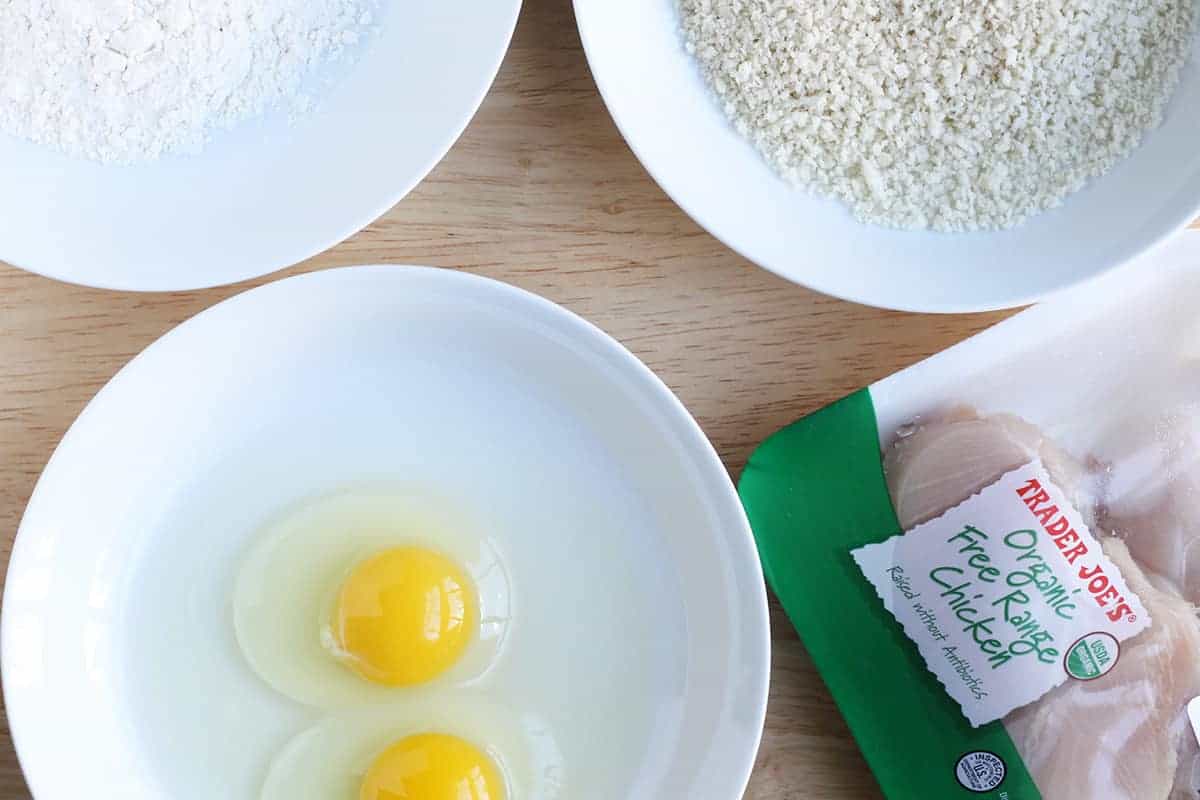
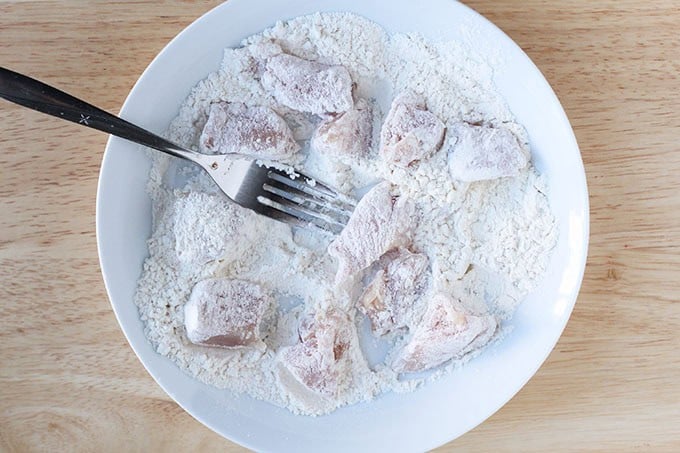
One of the primary deterrents for parents attempting homemade nuggets is the fear of producing "soggy" or "bland" results. Achieving a "crispy" exterior and "tender" interior through baking requires a specific set of techniques. The process outlined by modern culinary experts involves a three-stage dredging system:
- The Flour Coat: This initial layer absorbs surface moisture from the chicken, ensuring that the subsequent liquid binder adheres properly.
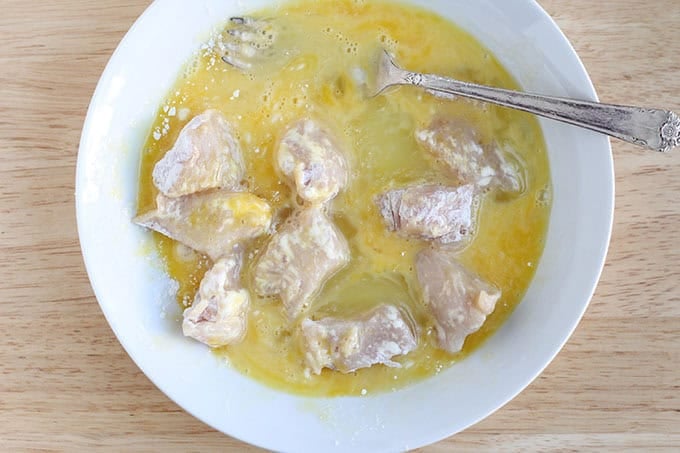
- The Egg Wash: Acting as a biological glue, the egg wash provides the moisture necessary to catch the final breading layer. For families managing egg allergies, a half-cup of whole milk serves as a functional substitute, though it provides a slightly lighter bind.
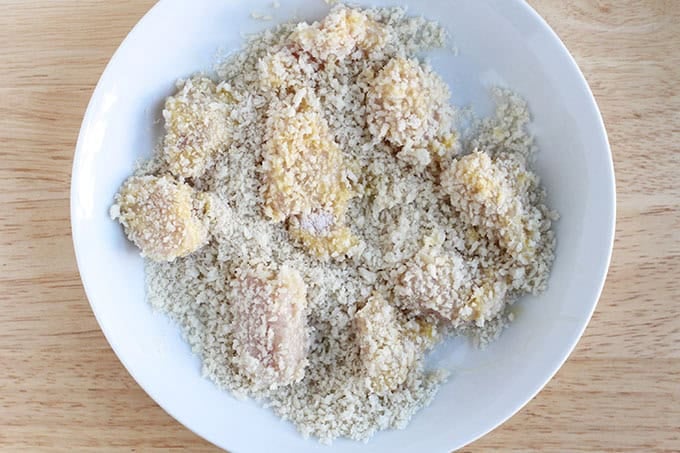
- The Breading (Panko vs. Traditional): The choice of breadcrumbs is critical. Panko, a Japanese-style breadcrumb, is increasingly favored for baking because its larger, airier flakes provide more surface area, which translates to a more pronounced "crunch" when exposed to the dry heat of an oven.
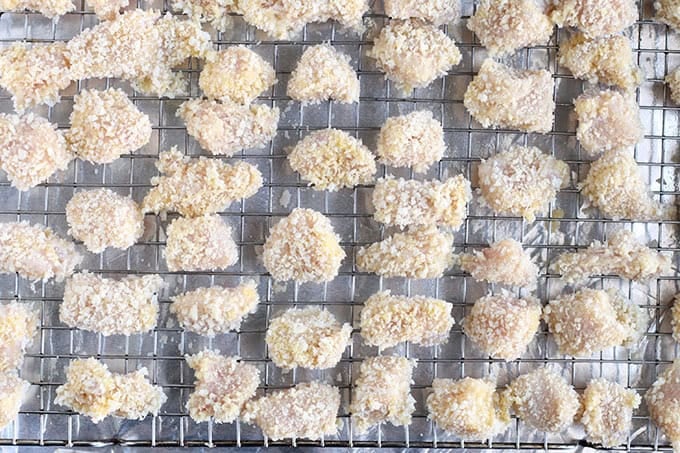
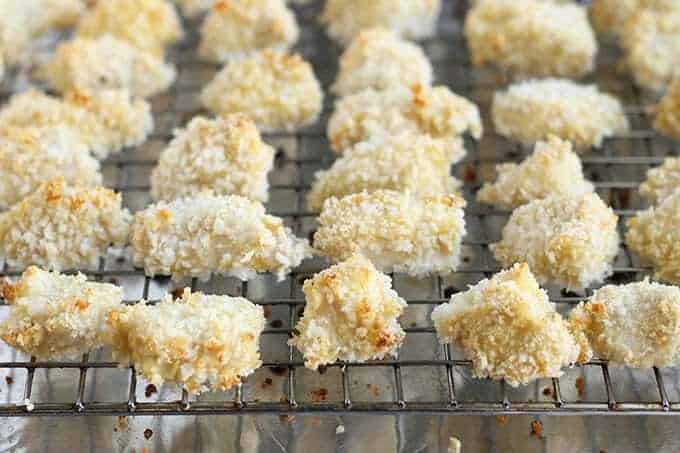
The use of a wire rack set over a baking sheet is perhaps the most crucial technical recommendation. This elevation allows hot air to circulate 360 degrees around the chicken, preventing the bottom of the nugget from becoming mushy—a common complaint with sheet-pan baking. When combined with a light spray of olive oil, this method mimics the results of deep frying through the efficient transfer of heat.
Addressing Dietary Restrictions and Picky Eating
The versatility of the homemade nugget allows for seamless adaptation to various dietary needs. For the growing population of gluten-sensitive consumers, the substitution of gluten-free flour and gluten-free Panko has become a standard practice. Culinary analysts note that because the breading is the primary source of gluten in this dish, swapping these ingredients does not fundamentally alter the cooking time or the final structural integrity of the nugget.
Beyond physical health, the homemade nugget serves as a strategic tool in managing "picky eating," a common developmental phase in toddlers. Pediatric nutritionists often suggest that involving children in the preparation process—such as dipping the chicken into the breadcrumbs—can increase their willingness to try new foods. When a child sees the raw ingredients transformed into a familiar shape, the "fear of the unknown" is mitigated. Testimonials from parents indicate that even children accustomed to the high-fat, high-salt profiles of fast food often prefer the cleaner taste of homemade versions once they are introduced into a regular dinner rotation.
Chronology of Preparation and Storage Logistics
For the modern busy family, the viability of a recipe depends on its ability to fit into a compressed schedule. The preparation of baked chicken nuggets typically follows a streamlined timeline:
- Minute 0–10: Preparation of the dredging stations and dicing of the chicken breast into bite-sized pieces.
- Minute 10–20: The coating process. Using kitchen scissors instead of a knife is a recommended "pro-tip" for faster, more uniform pieces.
- Minute 20–35: The baking phase. At 375°F to 400°F, the chicken reaches the safe internal temperature of 165°F while the breading achieves golden-brown coloration.
- Post-Cooking: Cooling and storage.
A significant advantage of this recipe is its "freezer-friendly" nature. Once baked and cooled, these nuggets can be frozen in a single layer and stored for up to six months. This allows families to create their own "convenience food" that can be reheated in a matter of minutes, effectively neutralizing the primary argument for purchasing pre-packaged frozen goods.
Expert Analysis: The Impact on Long-Term Health Habits
The long-term implications of shifting from processed to homemade nuggets extend beyond immediate calorie counting. Culinary educators argue that by serving whole-food versions of "junk food" favorites, parents are recalibrating their children’s palates. High levels of additives in processed foods can create a "bliss point"—a specific ratio of salt, sugar, and fat that overrides natural satiety signals. By removing these additives, children learn to appreciate the natural flavor of poultry and grains.
Furthermore, the environmental impact of home preparation should not be ignored. Commercial frozen food production involves extensive packaging, including plastic liners and cardboard boxes, and relies on a cold-chain logistics network that is energy-intensive. Reducing reliance on these products contributes to a reduction in household waste and carbon footprints.
Broader Implications for the Food Industry
The popularity of recipes like Baked Chicken Nuggets has not gone unnoticed by the food industry. We are currently seeing a "premiumization" of the frozen aisle, with brands attempting to mimic the "homemade" look and feel by using "naked" breading or air-fried labels. However, as transparency becomes a non-negotiable for the modern consumer, the "from-scratch" approach remains the gold standard for safety and quality.
The rise of the air fryer has also played a role in the success of these recipes. The air fryer, which is essentially a high-powered countertop convection oven, is perfectly suited for the Panko-crusted nugget. It accelerates the Maillard reaction—the chemical reaction between amino acids and reducing sugars that gives browned food its distinctive flavor—resulting in a nugget that is indistinguishable from its fried counterpart in less time.
Conclusion
The homemade baked chicken nugget is more than just a dinner solution; it is a symbol of the empowerment of the modern consumer. By utilizing a handful of simple ingredients—chicken, flour, egg, and breadcrumbs—families are successfully challenging the dominance of the ultra-processed food industry. This shift promotes better metabolic health, offers significant cost savings, and provides a platform for culinary education within the home. As more parents discover that the "best chicken ever" can be produced in their own kitchens in under thirty minutes, the era of the mystery-meat nugget may finally be drawing to a close. The success of this recipe lies in its simplicity, proving that in the world of nutrition, returning to the basics is often the most innovative step one can take.
