

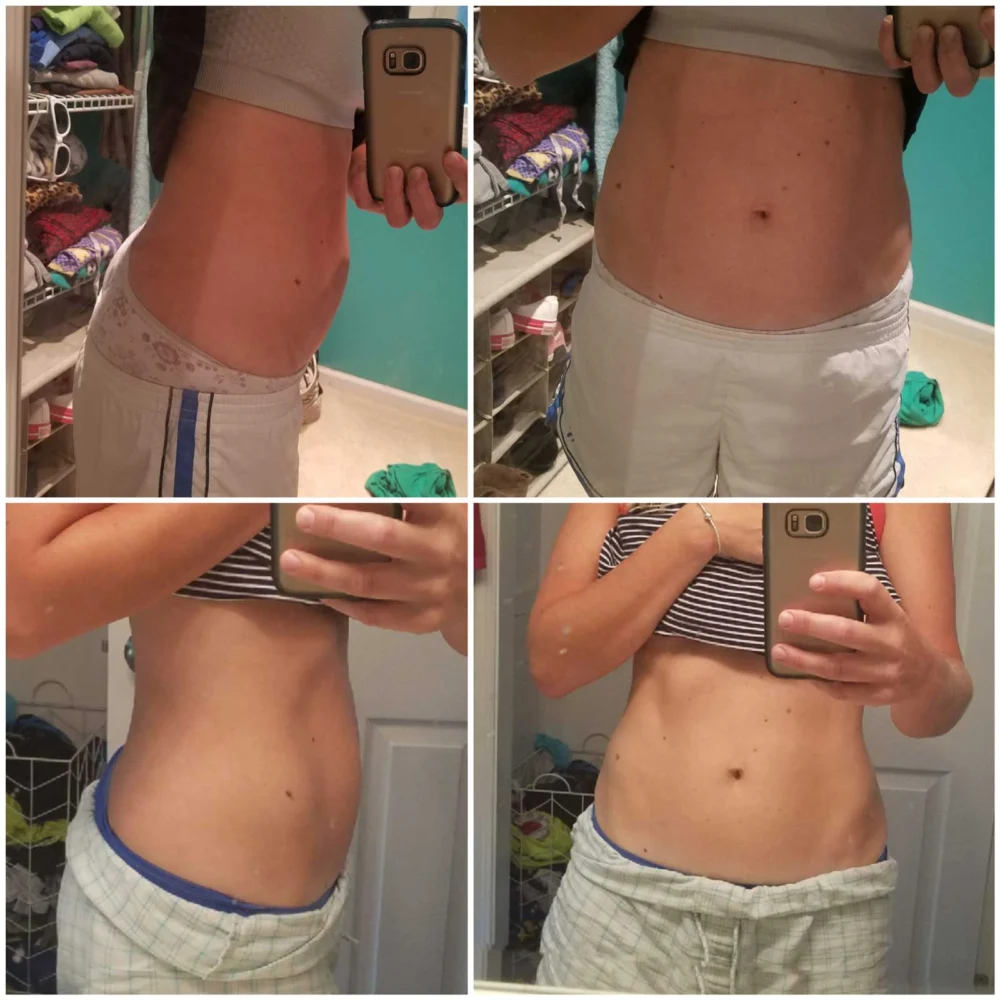
A compelling case study highlights the efficacy of a targeted exercise program in resolving both diastasis recti and an umbilical hernia, offering a significant non-surgical alternative for postpartum women. This personal account, verified by medical professionals, suggests a paradigm shift in managing common post-pregnancy core dysfunctions, challenging traditional pathways that often lead to invasive surgical procedures. The treatment, based on a daily, short-duration exercise regimen, demonstrated complete resolution of a 4 cm abdominal separation and an associated umbilical hernia within months, even enduring a subsequent pregnancy without recurrence.
The journey began for one individual in her thirties, following the births of two children in quick succession, both delivered via C-section. Around three months postpartum, persistent symptoms began to emerge, collectively pointing to underlying core instability. Despite efforts to manage "mommy tummy" through diet adjustments and increased stroller walks, the physical discomfort persisted. Symptoms included chronic lower back aches, persistent constipation, and occasional urinary incontinence triggered by simple actions like a cough or hiccup. Initially attributing these issues to the profound physical changes of childbirth and two abdominal surgeries, the individual sought a gynecological examination as the subtle pains intensified, overshadowing the joys of early motherhood.
Diagnosis and Initial Medical Recommendations
![Diastasis Recti Before And After [Without Surgery] | Lucies List](https://www.lucieslist.com/wp-content/uploads/2024/03/umbilical-hernia.jpeg)
The gynecological examination revealed significant findings. The physician identified a 4 cm abdominal gap, indicative of severe diastasis recti. Diastasis recti (DR), often referred to as "mommy pooch," is a common condition where the rectus abdominis muscles, the "six-pack" muscles, separate due to excessive pressure on the belly during pregnancy. This separation occurs along the linea alba, the connective tissue running down the midline of the abdomen. While it often resolves naturally within the first few months postpartum, a substantial portion of women, approximately 33%, and up to 39% for those over 35, continue to experience DR at 12 months postpartum, according to a 2021 report by the National Institute of Health.
Beyond the cosmetic concerns of a protruding abdomen, untreated DR is a recognized culprit for a range of postpartum complications. These include the patient’s reported symptoms of constipation and urinary incontinence, as well as pelvic pain, pelvic organ prolapse, and chronic lower back pain, which can significantly reduce mobility and quality of life. The severity of the patient’s condition was further compounded by a more concerning diagnosis: an umbilical hernia tear. Umbilical hernias are considered a severe complication of diastasis recti, occurring when abdominal tissue protrudes through a weakened spot near the belly button, which can shift from an "innie" to a noticeable "outtie." This type of hernia carries the risk of more serious complications, such as bowel obstruction, necessitating careful medical management. It is also a common condition observed in newborns.
Following the gynecological assessment, the patient was referred to a gastroenterologist for hernia repair surgery. During the pre-operative consultation, a critical dependency was revealed: an abdominoplasty, commonly known as a "tummy tuck," would be required before insurance would approve the hernia repair. The rationale was medically sound; without addressing the underlying muscle separation through abdominoplasty, the detached abdominal muscles would continue to exert pressure on the weakened connective tissue around the hernia. This ongoing strain would likely compromise the success of any mesh repair, leading to potential failure.
Adding another layer of complexity, the patient inquired about the implications of a future pregnancy on the hernia repair. The medical response – a non-committal "maybe" – cast doubt on proceeding with immediate surgery. This uncertainty led to a "surgery TBD status," leaving the patient in a state of flux and apprehension.
![Diastasis Recti Before And After [Without Surgery] | Lucies List](https://www.lucieslist.com/wp-content/uploads/2024/03/diastasis-recti-check-1024x682.jpg)
A Serendipitous Recommendation and the Discovery of a New Path
As the patient departed the pre-operative appointment, grappling with the complexities of the proposed surgical pathway, the GI surgeon offered an unexpected piece of advice. "For what it’s worth," the surgeon remarked, "I heard this captivating segment on NPR this morning about curing the ‘Mummy Tummy.’" This casual suggestion proved to be a pivotal moment. Intrigued by the prospect of a non-surgical solution, the patient immediately sought out the NPR segment, titled "Flattening The ‘Mummy Tummy’ With 1 Exercise, 10 Minutes A Day."
The NPR feature introduced Leah Keller, CEO of Every Mother, a program dedicated to core and pelvic floor health. Keller explained that traditional exercises like crossover crunches could exacerbate diastasis recti and contribute to complications such as hernias. Crucially, she presented her program as a non-surgical intervention, claiming that just ten minutes of daily exercises, utilizing her app, could resolve diastasis recti within 12 weeks, with minimal equipment and the convenience of home-based practice.
Despite initial skepticism, the patient was compelled to explore this alternative. Upon returning home, she downloaded the Every Mother app, completed its initial assessment quiz, and embarked on her customized exercise path. With dumbbells dusted off and a resistance band ordered, she began the regimen that very night.
![Diastasis Recti Before And After [Without Surgery] | Lucies List](https://www.lucieslist.com/wp-content/uploads/2024/03/diastasis-recti-before-and-after-1024x763.jpg)
The Non-Surgical Healing Journey: A Detailed Timeline
The patient’s experience with the Every Mother program provided a clear chronological progression of healing:
- Weeks 1-2: The initial phase focused heavily on understanding and safely executing the exercises. Leah Keller’s instructional guidance was crucial, particularly in teaching how to engage the deep transverse abdominis – a muscle often overlooked in conventional fitness routines. The patient noted the learning curve involved in avoiding movements that could further damage the core, such as traditional crunches. The daily 8-10 minute breathing workouts, performed after children were asleep, consistently produced muscle soreness, indicating effective engagement, even if the patient initially felt unsure about perfect execution. This period emphasized foundational core engagement, akin to personalized physical therapy.
- Week 3 (Day 21): A significant turning point occurred. The program prompted a measurement check, revealing a tangible reduction in waist circumference. More importantly, the diastasis had already shrunk by 2 cm. The initial soreness from the workouts began to subside, replaced by a growing sense of core strength, improved breathing awareness, and an overall increase in daily balance and energy. This early progress served as powerful motivation.
- Weeks 4-5: By this stage, the patient was fully committed to the program. She began integrating the suggested supplementary exercises with the core breathing techniques. The workouts became something to anticipate, driven by the positive physiological changes. She even incorporated short bursts of core compression breathing into daily routines, such as showering, waiting at a red light, or standing in line, signifying a deeper integration of the principles into her daily life. Crucially, the debilitating symptoms began to disappear: the lower back pain vanished, episodes of urinary incontinence diminished significantly, and accidental urine leaks from sneezes or coughs ceased entirely.
- Day 62 (Less than 3 months): The program culminated in a remarkable outcome: the diastasis recti was officially closed. This achievement was realized without undergoing a tummy tuck, avoiding the significant financial investment and time commitment associated with personal trainers or gym memberships, and eliminating the concern that detached abdominal muscles would compromise a future hernia repair.
Sustained Healing Through Another Pregnancy
The true testament to the program’s efficacy came months later when the patient became pregnant with her third child. Re-engaging with the Every Mother app, she switched her workout path to the "pregnancy" setting. This adaptation tailored her routine to minimize injury and prevent excessive strain on the linea alba, which is vital for labor strength. The result was a healthier pregnancy, marked by less back pain and a noticeably easier recovery following the birth of her daughter in April 2020, amidst the initial phase of the COVID-19 pandemic.
![Diastasis Recti Before And After [Without Surgery] | Lucies List](https://www.lucieslist.com/wp-content/uploads/2024/03/umbilical-hernia-anatomy.jpeg)
During her 8-week postpartum visit, the gynecologist’s astonishment was palpable. After meticulously checking and re-checking medical charts, the physician confirmed that the diastasis had not only closed but had remained closed even after a subsequent pregnancy. This outcome was unprecedented in the gynecologist’s experience, leading the practice to subsequently recommend the Every Mother program to all their patients, regardless of their current stage of childbirth.
The Science and Philosophy Behind Every Mother
An interview with Leah Keller, CEO of Every Mother, shed further light on the program’s foundation and impact. Keller emphasized the extensive clinical validation her program has received, citing "tremendous clinical validation" through peer-reviewed journals and studies conducted with institutions like the Hospital for Special Surgery. She highlighted a pilot study from 2014, involving 63 women, where 100% achieved full resolution of their diastasis recti in an average of 11.25 weeks. These scientific endorsements underscore the program’s effectiveness beyond anecdotal success.
Keller articulated a core philosophy: "Your story is a message of hope for other women." She stressed that "we are all vulnerable and can all benefit from learning healthy ways to relax, lengthen, and strengthen core muscles." While acknowledging that 80% of women discover the program reactively, seeking solutions for existing postpartum symptoms, Keller advocates for a proactive approach. She champions the idea that healing is accessible and achievable, regardless of the severity or duration of the condition. "Just start. You need minutes a day – not hours. It’s one baby step at a time. One day at a time. Any step forward is progress. Your body is resilient. Your body wants to get better. It starts with awareness. Everyone deserves affordable access to this information and to know how our body works."
![Diastasis Recti Before And After [Without Surgery] | Lucies List](https://www.lucieslist.com/wp-content/uploads/2024/03/postpartum-belly-with-diastasis-recti-and-hernia-1024x684.jpg)
Addressing the common concern about whether it’s "ever too late to start," Keller shared a remarkable anecdote: "Recently, we had an 82-year-old woman close her diastasis." This story powerfully illustrates the body’s capacity for healing and adaptation at any age, reinforcing the program’s universal applicability.
Implications for Postpartum Healthcare and Women’s Wellness
This success story carries profound implications for postpartum healthcare and the broader field of women’s wellness. The demonstrated ability to non-surgically close diastasis recti and resolve an umbilical hernia through a cost-effective, at-home exercise program challenges the conventional wisdom that often defaults to surgery for such conditions.
- Paradigm Shift: The case suggests a potential shift from an invasive, surgical-first approach to a more conservative, rehabilitative model for DR and related hernias. This could empower women with accessible, self-managed tools for recovery.
- Accessibility and Affordability: With plans starting at $9.95 per month, the program presents a significantly more affordable alternative to surgical procedures, which can incur substantial costs, even with insurance. It also eliminates the need for expensive personal trainers or frequent physical therapy appointments.
- Empowerment and Prevention: By providing women with the knowledge and tools to understand and strengthen their core, the program fosters greater body awareness and self-efficacy. Its adaptability for use during pregnancy also suggests a powerful preventative component, potentially minimizing the severity of DR and related complications postpartum.
- Role of Healthcare Providers: The gynecologist’s subsequent recommendation of Every Mother to all patients highlights the growing recognition within the medical community of effective non-surgical interventions. Increased awareness and referrals from healthcare providers could lead to wider adoption and better patient outcomes.
- Economic Impact: A reduction in surgical procedures for DR and umbilical hernias could lead to significant healthcare cost savings, shorter recovery times for mothers, and a quicker return to full functional capacity, benefiting both individuals and healthcare systems.
- Future Research and Adoption: The clinical validation mentioned by Leah Keller, coupled with individual success stories, points to a need for broader, large-scale studies to further integrate such programs into mainstream postpartum care guidelines.
The program has transcended its initial purpose for the patient, evolving into an integral part of her ongoing health and wellness routine. It is no longer merely a temporary fix but a sustained commitment to physical and mental well-being. The exercises have instilled a deep mindfulness of her body’s needs and provided a resilient core strength that she credits with enabling her to tackle life’s challenges. Her experience has transformed her into an advocate, driven by a mission to share the warning signs of diastasis recti and the potential for proactive, non-surgical treatment to prevent complications for other women.
![Diastasis Recti Before And After [Without Surgery] | Lucies List](https://www.lucieslist.com/wp-content/uploads/2024/03/diastasis-recti-before-and-after-transformation-1024x1024.jpg)
(Krissy, the individual whose story is featured, can be found on Mother Compass, where she provides guidance to stay-at-home mothers and teachers on generating passive income online.)
