


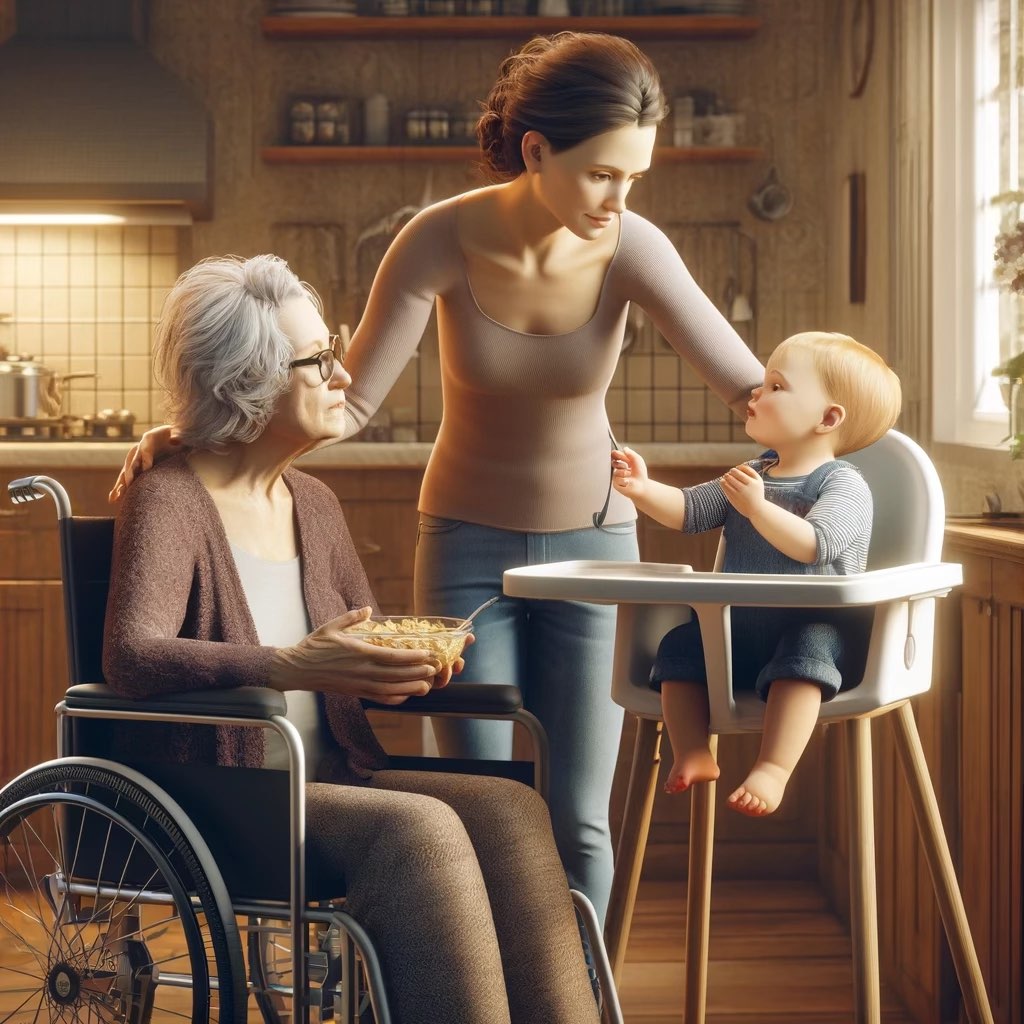
The Sandwich Generation, a demographic comprising individuals simultaneously caring for their aging parents and their own young children, faces escalating challenges in modern society. This demographic often finds itself under immense emotional, physical, and financial strain, highlighting a growing societal issue that demands greater attention and support. The personal account of Marissa Bader, a mother of three young children who found herself grappling with her mother’s declining health and eventual dementia diagnosis, serves as a poignant illustration of the multifaceted pressures endured by millions.
In 2019, Bader’s mother, then living alone, received a diagnosis of Myelodysplastic Syndrome (MDS), a type of blood cancer. This medical event marked the beginning of Bader’s profound immersion into the Sandwich Generation. While managing the "responsibilities and joys" of raising three small children—twins and a singleton aged seven and four at the time—Bader discovered a disconcerting gap in her mother’s healthcare management. Her mother’s inability to recall her primary care physician, naming a doctor she hadn’t seen since Bader’s childhood, underscored an emerging cognitive decline that would soon escalate into a full-blown crisis.
The initial shock of her mother’s frailty upon her return from Arizona, a mere seven months after leaving, painted a stark picture of rapid deterioration. The once meticulously groomed woman appeared disheveled, her memory significantly impaired. This visual and cognitive decline was jarring, signaling a new chapter of intensive caregiving.
The Rising Tide of the Sandwich Generation
The term "Sandwich Generation" was coined in 1981 by social worker Dorothy Miller to describe adult children, typically in their 30s to 50s, who are "sandwiched" between the demands of caring for their aging parents and supporting their own children. This demographic has expanded significantly in recent decades due to several intersecting factors. Longer lifespans mean more elderly parents require care, often for chronic conditions like dementia. Concurrently, many adults are delaying parenthood, leading to a situation where their children are still young and dependent when their parents begin needing extensive support. Economic pressures also play a role, as adult children may find it difficult to afford external care for their parents, or their adult children may need financial assistance, leading to increased familial reliance.
According to a 2021 report by the Pew Research Center, approximately 47% of adults in their 40s and 50s have a parent aged 65 or older and are either raising a minor child or financially supporting an adult child. Of these, 15% are providing financial support to both their parents and their adult children, truly embodying the "sandwich" experience. The National Alliance for Caregiving (NAC) and AARP have also consistently highlighted the increasing prevalence of family caregivers, with millions of Americans providing unpaid care, often sacrificing their own well-being and financial stability in the process.
A Personal Journey into Complex Caregiving
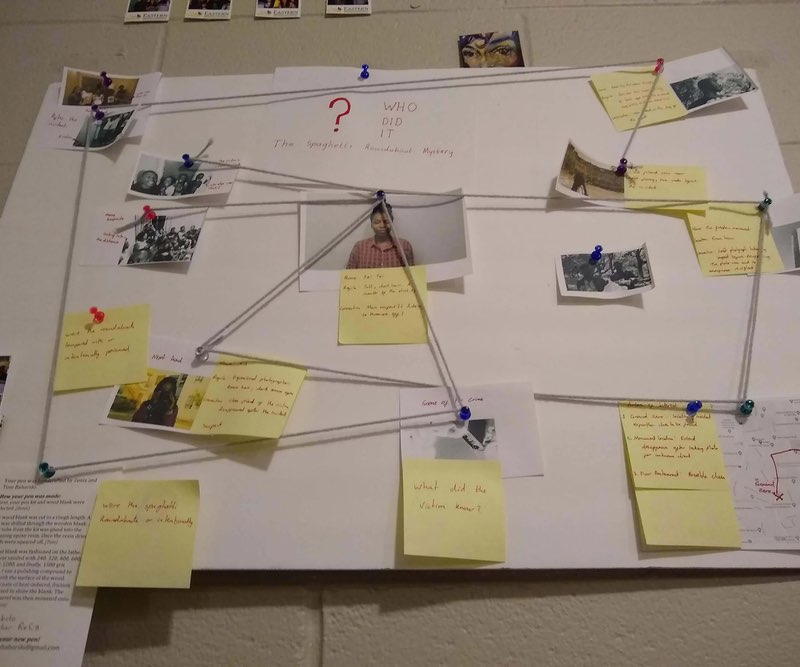
Bader’s initial foray into caregiving involved an intensive "detective" effort to piece together her mother’s scattered medical history. She recounted dedicating an entire day to contacting various doctors and medical facilities to identify her mother’s primary care physician, meticulously mapping out her medical network on a whiteboard. This effort was driven by the realization that her mother’s memory issues made her incapable of managing her own complex medical appointments and information.
Initial Signs and Diagnosis
The diagnosis of Myelodysplastic Syndrome in 2019 brought with it a stark prognosis: without aggressive chemotherapy, her mother likely had three years or less to live. Despite the severity of the cancer, which miraculously went into remission after treatment, it was during this period of frequent doctor visits and lab appointments that Bader and her siblings observed more alarming signs of cognitive decline. Her mother exhibited forgetfulness, confusion, increasing paranoia, and a noticeable neglect of her once immaculate home – a stark departure from her lifelong habits. This shift in behavior, particularly the disregard for cleanliness, was a significant "tip-off" to Bader that something was profoundly amiss.
Navigating Dual Demands
The emotional toll of this realization was immense. Bader described locking herself away to make phone calls, overwhelmed by the magnitude of her new responsibilities. The thought of balancing her mother’s "impending needs and care" with those of her three young children felt "completely untenable." Her husband’s steadfast support—his simple mantra of "one foot in front of the other" and reassurance of their shared strength—became a crucial anchor during this period of intense anxiety and tears. This support system is often critical for caregivers, as research consistently shows that solo caregivers experience higher rates of burnout and mental health issues.
Dementia’s Progression and Critical Decisions
The conversation about her mother’s memory loss finally happened organically, providing Bader an opening to suggest an appointment with a "memory doctor." This led to a diagnosis of early-stage Dementia from a geriatrician specializing in Alzheimer’s. The news, though anticipated, was a "gut punch," forcing the family to confront an unpredictable future. They immediately began the practical steps of establishing power of attorney (POA) and advanced directives, preparing for the inevitable progression of the disease.
As the months passed, her mother’s dementia worsened, making independent living unsafe. Driving became hazardous, and living alone posed significant risks. The family realized they could no longer be her sole caregivers. A critical turning point occurred when her mother, living alone in Arizona, tripped and broke her hip. This common incident among the elderly often precipitates a rapid decline in dementia patients due to the trauma, surgery, new medications, and disruption of routine. Bader observed her mother "aged 10 years within one week," her dementia accelerating "tenfold."
This crisis necessitated an urgent decision: 24/7 in-home care, which is expensive and difficult to secure, or a memory care facility. Despite the guilt and the knowledge that her mother would vehemently resist such a move, the siblings chose memory care, a decision many families face when home care becomes unmanageable or unsafe. The process of finding a suitable facility, packing, handling paperwork, and navigating her mother’s angry, confused calls about being held against her will was "scary, stressful, and sad," pushing Bader to the brink of emotional and physical exhaustion.
The Broader Impact on Caregivers
The experience of the Sandwich Generation, as vividly illustrated by Bader’s story, is fraught with significant challenges that extend beyond the immediate family.
Emotional and Psychological Toll
Caregivers often report high levels of stress, anxiety, depression, and burnout. The constant demands of managing multiple care responsibilities can lead to feelings of being overwhelmed, isolated, and guilty – guilt for not doing enough, for feeling resentful, or for making difficult decisions like moving a parent into a facility. A 2020 report by the National Alliance for Caregiving and AARP found that 23% of caregivers felt their health had gotten worse due to caregiving. The emotional weight of watching a parent decline, especially from cognitive diseases like dementia, adds a layer of profound grief and sadness to the daily grind of care tasks. Bader’s poignant description of being "breaking; pouring everything, all the time, from an empty cup" resonates deeply with countless caregivers.
Financial and Professional Strain
Caregiving frequently impacts a caregiver’s financial stability and career progression. Many caregivers reduce their work hours, take unpaid leave, or leave their jobs entirely to provide care. This can lead to lost wages, reduced retirement savings, and fewer opportunities for career advancement. The costs associated with elder care, even with some assistance, can be substantial, including medical expenses, specialized equipment, and facility fees. A 2021 AARP study estimated that family caregivers spend an average of $7,242 per year out-of-pocket on caregiving expenses. For those simultaneously supporting children, this financial burden is compounded, creating immense pressure on household budgets.
Seeking Solutions and Support
While the challenges are formidable, strategies and resources exist to support the Sandwich Generation. Experts and advocacy groups emphasize the importance of early planning, establishing a robust support network, and prioritizing caregiver well-being.
- Early Planning: As soon as signs of cognitive decline or significant health issues appear, families are advised to discuss and establish legal and financial documents such as Power of Attorney (POA), healthcare directives, and wills. This proactive approach can alleviate significant stress and ensure the parent’s wishes are honored when they are no longer able to make decisions.
- Building a Support Network: Relying on siblings, spouses, friends, and professional caregivers is crucial. Distributing responsibilities, even small ones, can prevent burnout. In Bader’s case, her siblings shared the burden of medical appointments and the difficult task of transporting their mother from Arizona.
- Seeking Professional Guidance: Consulting geriatric care managers, elder law attorneys, and financial advisors can help families navigate complex care decisions, understand legal implications, and explore funding options.
- Caregiver Support Groups: Connecting with others facing similar challenges provides emotional validation, practical advice, and a sense of community. These groups, both online and in-person, offer a vital outlet for caregivers to share experiences and coping strategies.
- Prioritizing Self-Care: This is often the most overlooked but critical aspect. Caregivers are encouraged to schedule respite breaks, pursue hobbies, maintain social connections, and seek mental health support when needed. As Bader learned, finding ways to "not constantly burn the candle at both ends" is an ongoing work-in-progress but essential for long-term sustainability.
- Leveraging Technology: Digital tools for medication reminders, communication with care teams, and even smart home devices can assist in monitoring and managing care from a distance or within the home.
Bader’s journey underscores the vital role of adapting and making difficult choices for the well-being of aging parents. Eight months after her initial move, the family transitioned her mother to a new memory care facility that offered a more intimate, community-oriented environment. This move proved successful, with her mother "thriving," socializing, eating well, and appearing generally happier, despite the ongoing progression of her dementia. This highlights the importance of finding the right fit for care, recognizing that needs and circumstances can change.
The experience of the Sandwich Generation is a deeply personal yet universally resonant one. It is a testament to the enduring bonds of family and the profound sacrifices made by individuals balancing the needs of multiple generations. As societies grapple with aging populations and evolving family structures, providing robust support systems for these caregivers is not merely a familial responsibility but a societal imperative. The strength, resilience, and love demonstrated by individuals like Marissa Bader in navigating these complex roles serve as an inspiration and a call to action for greater awareness, resources, and compassion.
