

The culinary landscape for early childhood nutrition is undergoing a significant transformation as parents increasingly pivot away from processed, high-sugar snacks in favor of nutrient-dense, homemade alternatives. Among the most prominent entries in this shift is the Greek Yogurt Banana Muffin, a recipe designed to bridge the gap between palatability for toddlers and the rigorous nutritional requirements demanded by pediatric health standards. By utilizing the natural sweetness of ripened fruit and the structural benefits of fermented dairy, this "no-added-sugar" baking method addresses several key concerns in modern parenting: sugar consumption, protein intake, and economic efficiency.
The Evolution of Toddler Nutrition and the Rise of "Stealth Health"
The development of the Greek Yogurt Banana Muffin represents a strategic merger of two foundational toddler staples: traditional banana bread and protein-rich yogurt. Historically, muffins served as a convenient, albeit often sugary, breakfast option. However, as the American Academy of Pediatrics (AAP) and other global health organizations have tightened recommendations regarding added sugars for children under the age of two, the demand for "cleaner" recipes has surged.
This specific iteration of the muffin focuses on "stealth health"—the practice of incorporating high-value nutrients like protein and probiotics into familiar, kid-friendly formats. The recipe’s success is rooted in its ability to maintain a "fluffy" texture, a common hurdle in sugar-free baking, by leveraging the acidity of Greek yogurt to activate leavening agents more effectively than traditional milk-based recipes.
Nutritional Profile and Ingredient Efficacy
A technical analysis of the Greek Yogurt Banana Muffin reveals a balanced macronutrient distribution that differs sharply from commercial "toddler" snacks. According to nutritional data, a single serving contains approximately 122 calories, with a focus on sustained energy release rather than a glucose spike.
The Role of Natural Sugars
The primary sweetening agent in this recipe is the ripened banana. As bananas ripen, their starch content converts into simple sugars (fructose, glucose, and sucrose), providing a high degree of sweetness without the need for granulated cane sugar. Beyond flavor, bananas contribute significant levels of potassium (102mg per serving) and Vitamin C, which are essential for cardiovascular health and immune function in developing children.
Greek Yogurt as a Functional Fat and Protein Source
Greek yogurt serves a dual purpose in this culinary application. First, it provides a protein boost (3g per muffin), which is critical for muscle growth and satiety. Second, the fat content in full-fat Greek yogurt acts as a tenderizer. Unlike standard yogurt, Greek yogurt is strained to remove excess whey, resulting in a higher concentration of protein and a thicker consistency that adds moisture to the muffin crumb without making the batter overly thin.
Detailed Macronutrient Breakdown
Per 12-muffin batch, the average serving size provides:
- Total Fat: 5g (with 3g of saturated fat, primarily from dairy)
- Carbohydrates: 17g (largely derived from complex starches and fruit fibers)
- Dietary Fiber: 1g (contributing to digestive regularity)
- Sodium: 142mg (regulated to remain within safe daily limits for toddlers)
Technical Methodology: The One-Bowl Process
The efficiency of the recipe is a major factor in its adoption by busy households. The "one-bowl method" minimizes cleanup and reduces the barrier to entry for home baking.
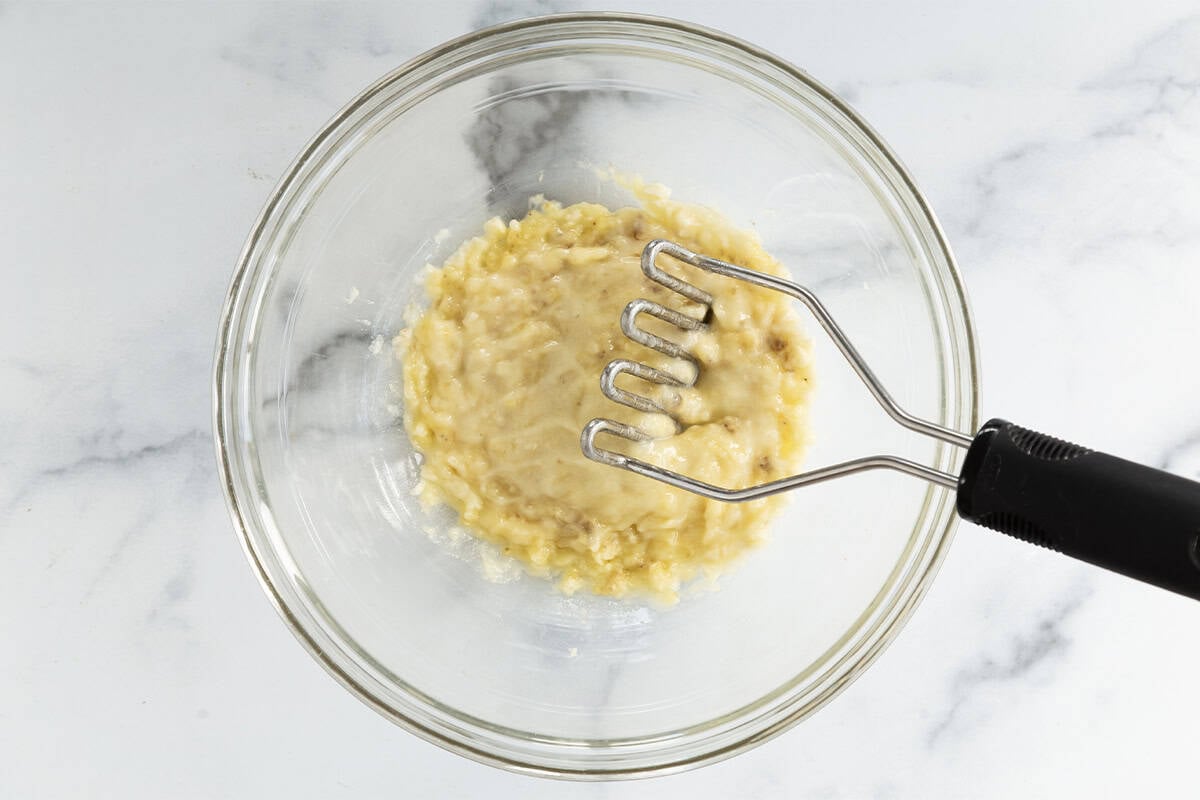
- Preparation of the Base: The process begins with the thorough mashing of overripe bananas. Achieving a smooth consistency is vital for the distribution of moisture and sweetness throughout the batter.
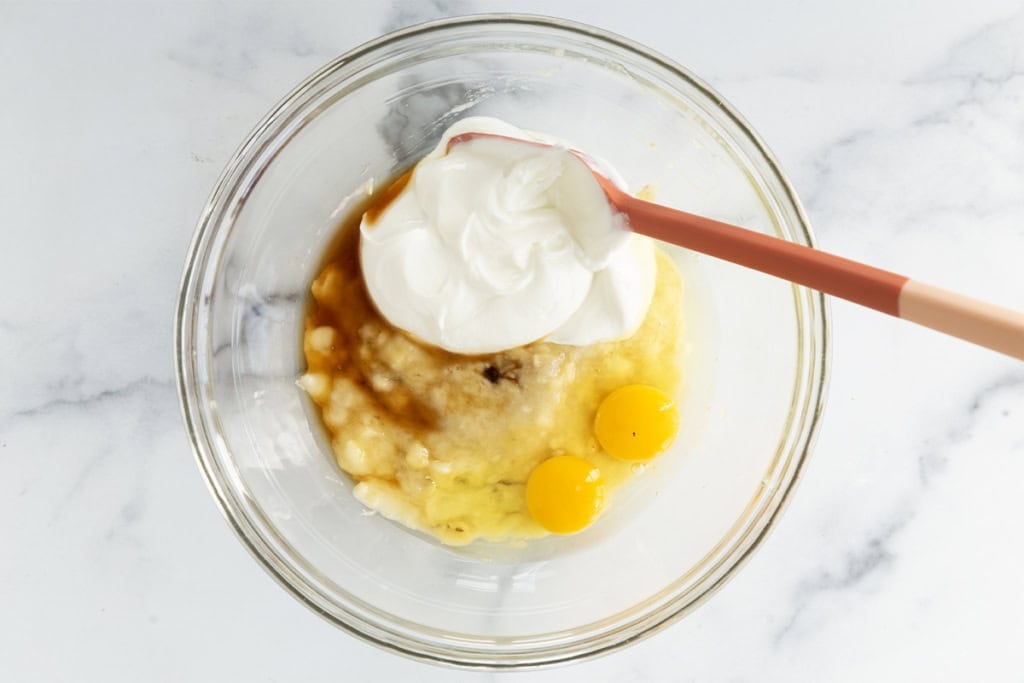
- Integration of Wet Ingredients: Greek yogurt, eggs, and other liquid components are added directly to the banana mash. This creates an emulsion that serves as the vehicle for the dry ingredients.
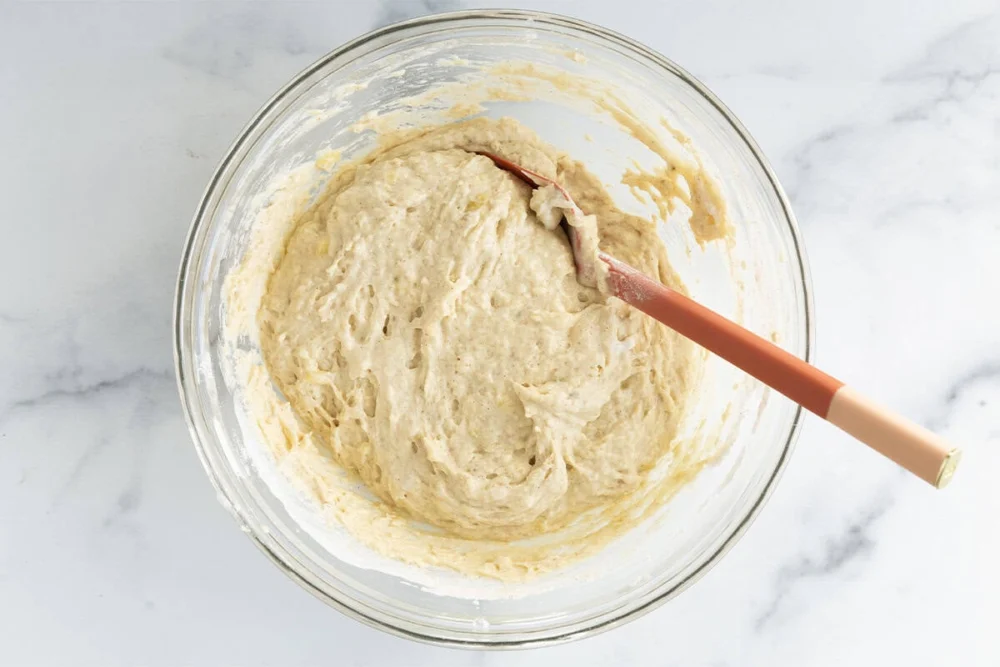
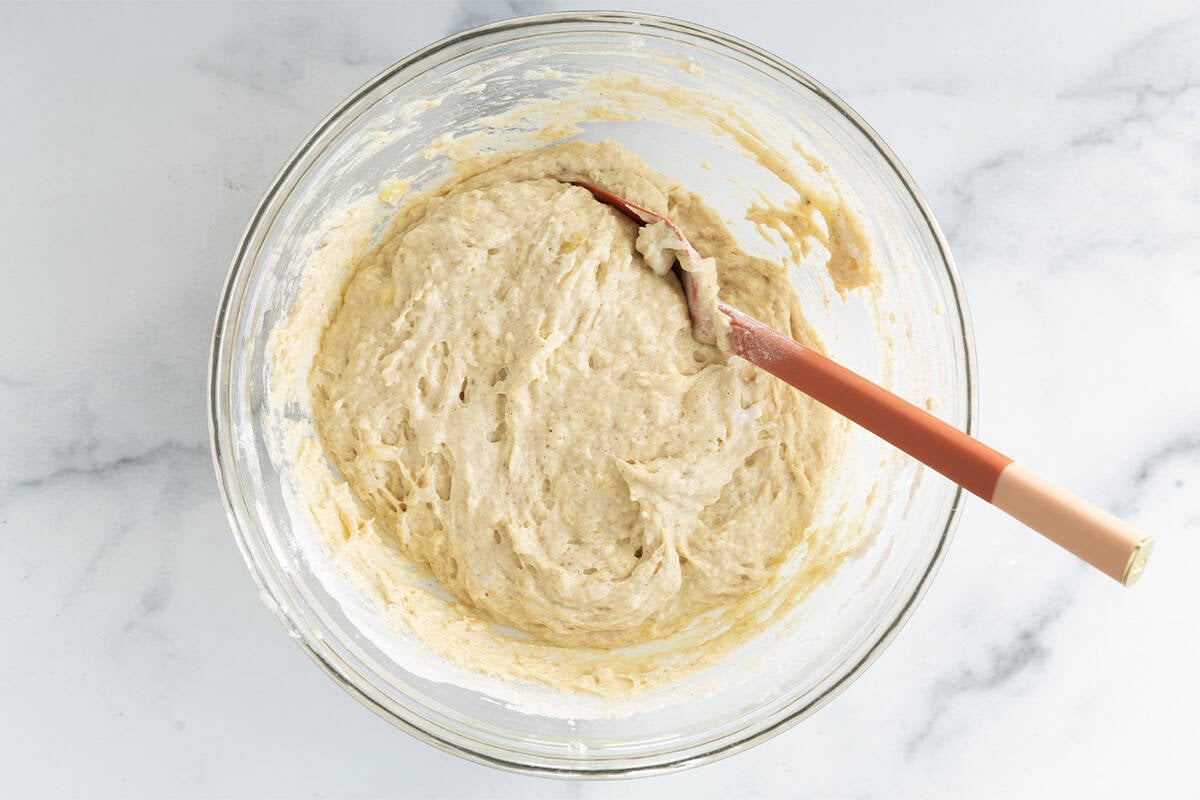
- The Folding Technique: To maintain the "ultimate fluffiness" cited by proponents of the recipe, the dry ingredients—typically flour, baking soda, and a pinch of salt—are stirred gently into the wet mixture. Over-mixing is a common pitfall in muffin preparation; it develops excess gluten, which can lead to a tough, rubbery texture.
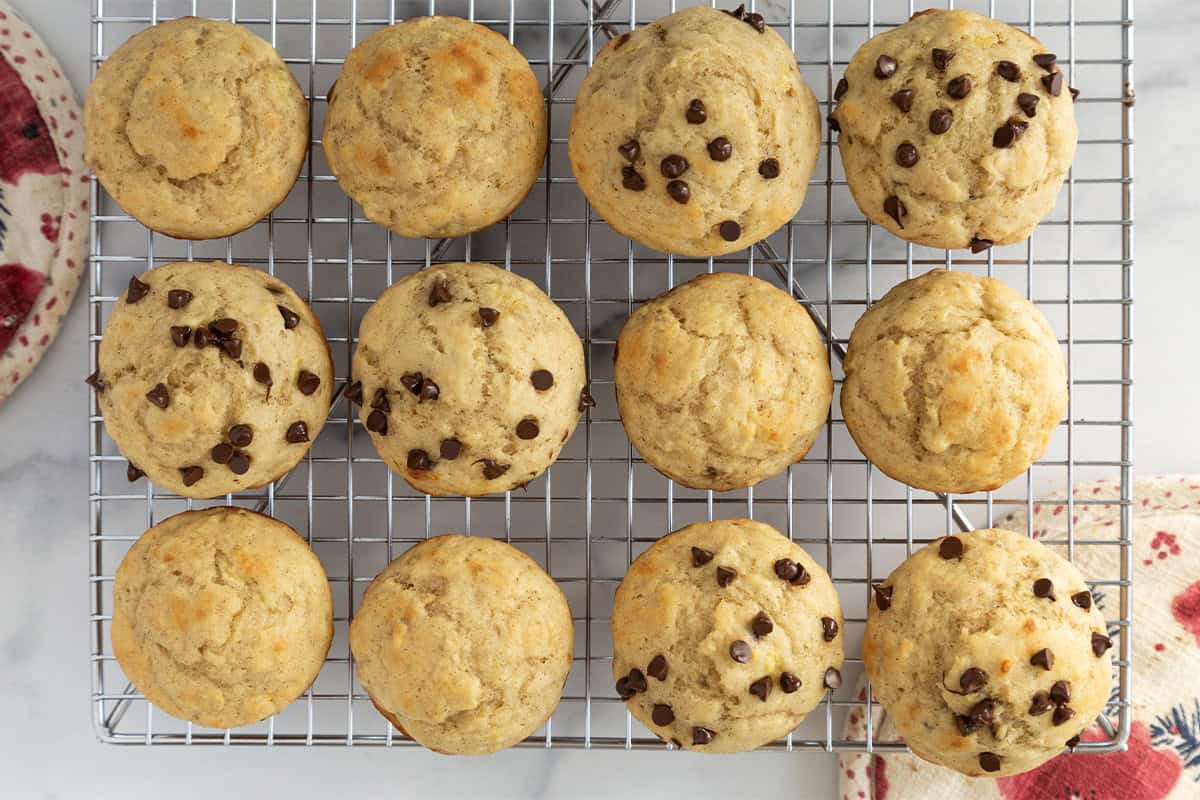
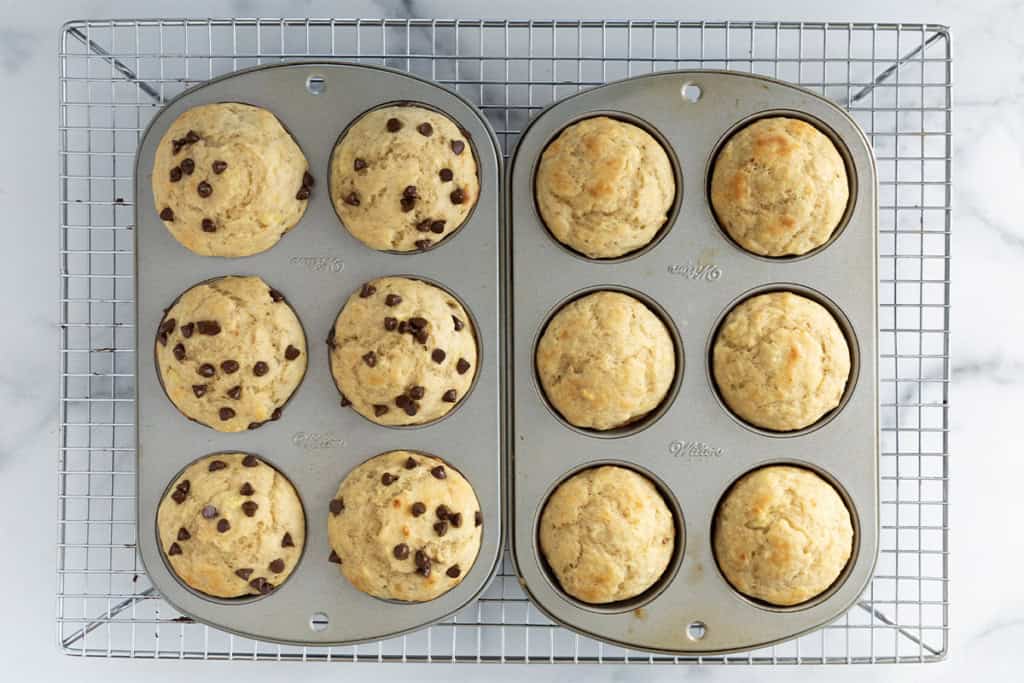
- Thermal Processing: The muffins are baked in a standard or mini-muffin tin until they achieve a light golden brown hue. A "cake tester" or toothpick is used to ensure the center is fully set, indicating that the internal starches have gelatinized and the proteins have coagulated.
Economic Implications of Homemade vs. Store-Bought
In an era of fluctuating food prices and "shrinkflation," the cost-effectiveness of the Greek Yogurt Banana Muffin is a significant consideration for families. Commercial toddler snacks are often priced at a premium, with markups reaching 200-300% compared to the raw cost of ingredients.
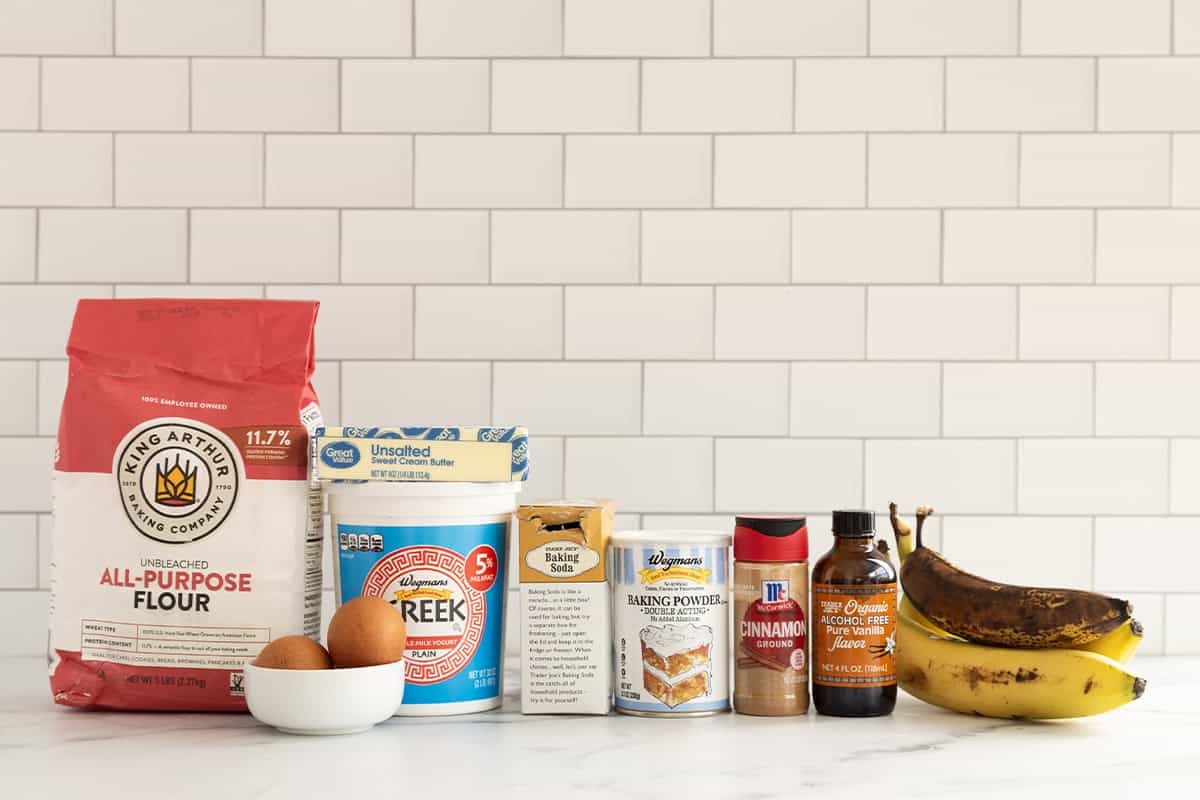
A comparative analysis suggests that a batch of 12 homemade muffins can be produced for a fraction of the cost of a single box of organic, store-bought alternatives. Furthermore, the use of "pantry staples"—flour, eggs, and bananas that might otherwise be discarded due to over-ripeness—reduces household food waste. This aligns with broader consumer trends toward sustainability and "zero-waste" kitchens.
Storage Science and Meal Prep Utility
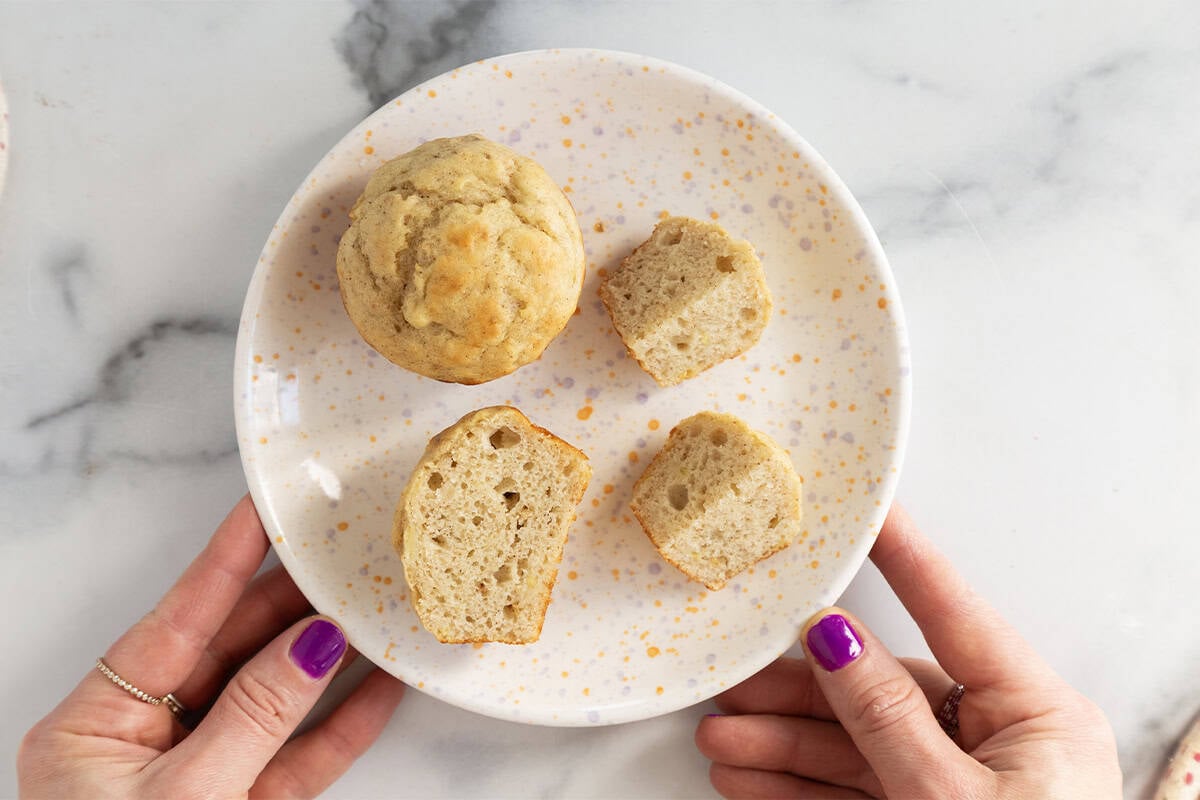
One of the most praised aspects of the Greek Yogurt Banana Muffin is its stability during storage. The moisture content provided by the yogurt and bananas prevents the muffins from drying out as quickly as traditional baked goods.
- Short-Term Storage: At room temperature, the muffins remain palatable for up to three days when kept in an airtight container. In the refrigerator, this window extends to five days, though the cold environment may cause the starches to undergo "retrogradation," making the muffin feel slightly firmer.
- Long-Term Preservation: The muffins are highly freezer-stable. When stored in a vacuum-sealed bag or a high-quality freezer bag with excess air removed, they can be preserved for up to six months. This makes them an ideal component for "postpartum freezer meals" or bulk meal prepping for daycare lunches.
- Thawing Protocols: For optimal texture, muffins should be thawed overnight in the refrigerator or briefly warmed in a microwave to restore the softness of the fats and sugars.
Customization and Dietary Adaptations
While the base recipe is designed for simplicity, it offers a versatile canvas for additional nutrients. Culinary experts often suggest the following modifications to increase dietary variety:
- Inclusion of Micronutrients: Adding blueberries or finely chopped nuts can introduce antioxidants and healthy omega-3 fatty acids.
- Texture Variation: For older children, mini chocolate chips can be used as a "bridge" ingredient to encourage the acceptance of lower-sugar snacks.
- Miniaturization: Converting the recipe into mini-muffins (baking for 10-12 minutes) caters to the smaller appetites of younger toddlers and provides better portion control.
Broader Impact on Pediatric Health and Palate Development
The long-term implication of serving no-added-sugar snacks like Greek Yogurt Banana Muffins extends beyond immediate nutrition. Early childhood is a critical period for palate development. By exposing children to the natural flavors of fruit and fermented dairy rather than the hyper-palatable sweetness of high-fructose corn syrup, parents can help set a lower "sweetness threshold."
Pediatricians note that children who are accustomed to moderate sweetness levels are more likely to accept a wider variety of whole foods, such as vegetables and whole grains, later in life. This recipe, therefore, serves as a tool for "nutritional education," teaching the developing palate to appreciate subtle flavors.
Conclusion: A Staple for the Modern Kitchen
The Greek Yogurt Banana Muffin is more than a simple snack; it is a reflection of a wider movement toward intentional, science-backed home cooking. By prioritizing protein, utilizing natural sugars, and maintaining a low-cost profile, it addresses the multifaceted challenges of modern parenting. As the "clean label" movement continues to influence consumer behavior, recipes that offer transparency in ingredients and simplicity in execution are expected to remain at the forefront of the domestic culinary experience. Whether used as a quick breakfast, a school lunch component, or a postpartum resource, these muffins represent a successful intersection of health, taste, and practicality.
