

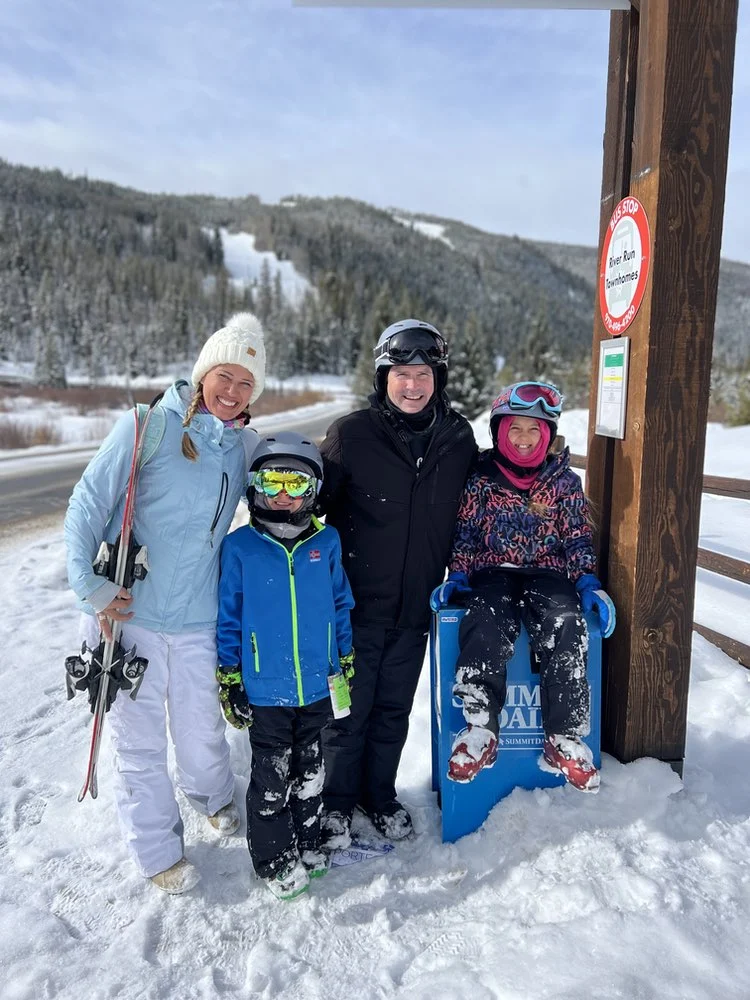
The evolving dynamics of family life, particularly the increasing commitments of adolescent children, are compelling parents to re-evaluate and prioritize experiential travel. A recent incident involving a family’s meticulously planned Spring Break ski trip to Colorado underscored this shift, revealing both the poignant realization of fleeting childhood years and the profound, unexpected benefits that travel can bestow upon remaining family members. This event, updated in May 2024, serves as a contemporary case study illustrating broader trends in family dynamics and the enduring value of shared experiences.
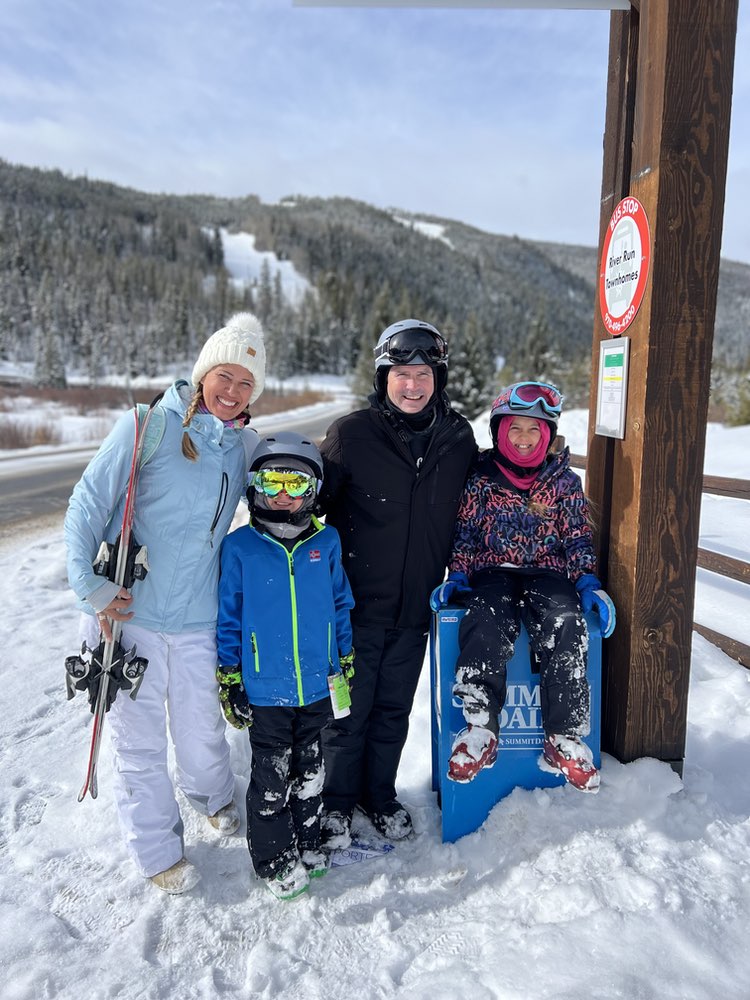
The catalyst for this introspection occurred when a mother, amidst the typical evening clamor of household responsibilities, was confronted by her 16-year-old son, Hunter, with a stark declaration: "Mom, I can’t go on Spring Break. I can’t go with you guys." This announcement brought a sudden halt to the daily rhythm, forcing an immediate recalibration of expectations for a trip that had been seven months in the making. The family had envisioned a week of skiing, snowboarding, and tubing in the mountainous terrain of Colorado, a departure from their usual travel patterns, designed to foster quality time and create new memories.
The Shifting Landscape of Family Participation
Historically, family trips were often structured around the schedules of parents, with children, especially younger ones, having more flexible routines. However, as children mature into adolescence, their lives become increasingly complex and less pliable. The original narrative highlights that while the younger siblings, aged 7 and 8 years younger than Hunter, still maintained adaptable schedules, the 16-year-old’s commitments had escalated significantly. His decision to miss the family vacation stemmed from a sense of obligation to a tournament, a commitment he deemed crucial, not due to external pressure from a coach, but from an internal conviction. This scenario is increasingly common in modern families, where teenagers are deeply involved in competitive sports, academic clubs, volunteer work, and social activities that demand considerable time and dedication.

Child development experts frequently observe that adolescence marks a critical period for identity formation and the cultivation of autonomy. As teenagers assert their independence, their priorities naturally expand beyond immediate family activities to include peer relationships and personal achievements. This developmental stage often means that family vacations, particularly those requiring significant time away, must compete with a burgeoning schedule of extracurriculars and social engagements. The "18 summers" adage, frequently cited by parents, posits that families have a limited window of meaningful summers with their children before they embark on independent adult lives. However, for many, this window closes even sooner, with effective family travel opportunities dwindling significantly after children reach the age of 12 or 13, as they begin to form distinct opinions on how they wish to spend their leisure time.
The Unseen Passage of Time: Parental Reflections
The parent’s initial reaction, a mix of anger and disappointment, quickly gave way to a profound realization about the rapid passage of time. The demanding nature of modern parenting, characterized by a relentless cycle of school runs, practices, homework supervision, household chores, and myriad logistical challenges, often creates an environment where long-term planning for shared family experiences can be inadvertently sidelined. The "rinse, wash, repeat" routine, as described, makes it easy to defer or delay trips due to perceived financial constraints, work timing, or simply the overwhelming demands of daily life.
This phenomenon is supported by sociological observations on contemporary family life. Parents today face immense pressure to ensure their children are well-rounded and competitive, leading to extensive involvement in structured activities. While beneficial for individual development, this often comes at the cost of unstructured family time and spontaneous adventures. The regret expressed in the article—"If only we would have paused and realized the utter importance of the gift of travel as a family"—resonates with many parents who find themselves looking back on missed opportunities, realizing that time, unlike material possessions, cannot be reclaimed.
The Profound Impact of Travel: A Case Study in Resilience

Despite the initial disappointment of Hunter’s absence, the Colorado ski trip proceeded, yielding an unexpected and profoundly positive outcome for another family member. The mother recounted how her 9-year-old daughter, described as "meek and anxious" with "not a lick of self-confidence," underwent a remarkable transformation. After completing beginner’s ski school, the daughter confidently navigated the mountain slopes, exhibiting a newfound self-assurance that surprised her parents. Her jubilant declaration, "I’m moving to Colorado when I grow up and I’m going to be a ski instructor!" encapsulated a seismic shift in her self-perception.
This individual transformation highlights a critical aspect of experiential travel: its capacity to foster resilience, independence, and self-esteem in children. Away from familiar routines and environments, children are often encouraged to step outside their comfort zones, learn new skills, and overcome challenges. Such experiences, whether mastering a ski slope, navigating a new culture, or simply adapting to unfamiliar surroundings, build character and provide a tangible sense of accomplishment that can be difficult to replicate in daily life. Child psychologists and educators frequently emphasize that these "mastery experiences" are crucial for developing a strong sense of self-efficacy and confidence.
Broader Implications for Family Well-being and Bonding
The narrative’s central message—"Take the trip. Just take the trip"—is a powerful call to action for families. Beyond individual development, family travel offers numerous benefits for overall family well-being and bonding. Research consistently demonstrates that shared experiences, particularly those involving new environments and challenges, strengthen familial ties and create lasting memories. These memories are not transient like material possessions; they are "quietly stored in a section of their hearts and minds that eloquently and gracefully make their presence known throughout their lives, that help shape who they are and who they’ll become."
Moreover, travel can serve as a vital antidote to the stresses of modern life. It provides a much-needed break from routines, reduces screen time, and encourages genuine interaction among family members. Whether it’s a short weekend getaway, a once-in-a-lifetime international adventure, or a long weekend to reconnect with a spouse, the act of stepping away from the mundane offers opportunities for rejuvenation and reconnection. In an increasingly fragmented world, these dedicated periods of togetherness are invaluable for maintaining strong family units.

Economic Considerations and the Value Proposition
While the financial investment in family travel can be substantial, the article implicitly argues for its long-term return on investment in terms of intangible benefits. Travel industry data often shows that consumers are increasingly prioritizing experiences over material goods, particularly among younger generations of parents. This trend suggests a growing recognition that the value of shared moments and personal growth often outweighs the cost of a trip.
For families navigating budget constraints, strategic planning and the assistance of travel professionals can make aspirational trips more attainable. Travel advisors, such as Jen Grove of Living with the Magic Family Vacations, specialize in crafting itineraries that balance desires with practicalities, offering expertise in cruises, beaches, all-inclusive resorts, and customized adventures. These professionals can help families identify opportunities for savings, manage logistics, and ensure that the chosen destination aligns with their goals for creating meaningful experiences.
Conclusion: A Call to Prioritize Experiential Living
The contemporary family faces a complex array of demands, from the relentless pace of daily life to the escalating commitments of growing children. The story of a family’s Spring Break ski trip, punctuated by a teenager’s burgeoning independence and a younger child’s unexpected transformation, serves as a compelling reminder of the finite nature of childhood and the profound, enduring value of shared experiences. As children mature, the opportunities for collective family adventures become fewer and more precious.
Ultimately, the takeaway for parents and families is clear: in a world saturated with distractions and material pursuits, prioritizing experiential travel is an investment in emotional wealth, fostering resilience, strengthening bonds, and creating a legacy of cherished memories that truly shape who individuals become. The question for every family, then, is not merely where they are going this year, but how they are actively choosing to create these indelible experiences before the fleeting window of opportunity closes.
