

The landscape of children’s literature is undergoing a critical examination, with a growing emphasis on the importance of diverse representation in the stories we share with young minds. While many beloved books exist, a significant disparity persists in the portrayal of characters across race, gender, ability, and sexuality. This article delves into the current state of diversity in children’s books, highlights exceptional titles that buck the trend, and explores the profound implications of inclusive storytelling for children’s development and societal understanding.
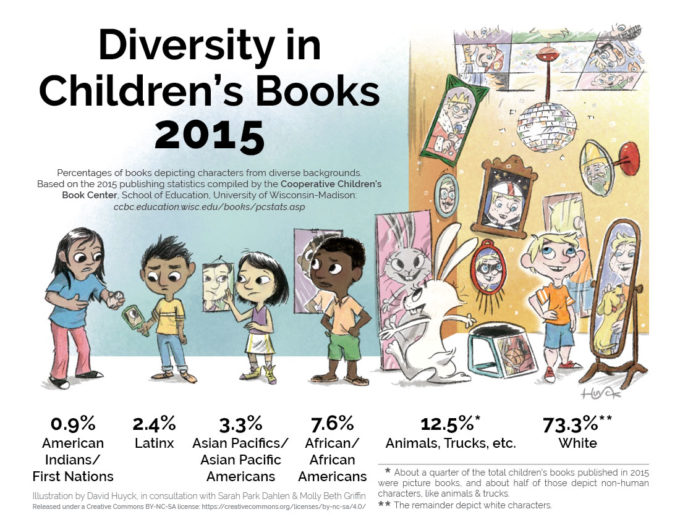
The stark reality is that children’s books overwhelmingly feature white, male protagonists. This dominance extends even to animal or anthropomorphic characters, which are almost invariably depicted as male. Data from organizations like the Cooperative Children’s Book Center at the University of Wisconsin-Madison consistently reveal these trends. For instance, their annual analysis of children’s literature has, for years, shown that characters of color and female characters remain significantly underrepresented. In 2019, for example, only 27% of children’s books published featured characters of color, and of those, the majority were still male. Similarly, studies on gender representation in picture books have found that male characters often outnumber female characters by a considerable margin, sometimes as high as 3:1. This lack of multifaceted representation can lead to a skewed perception of the world for children, where their own identities or those of their peers might be invisible or marginalized within the narratives they consume.

The impact of this underrepresentation is far-reaching. When children do not see themselves reflected in the stories they read, it can affect their self-esteem, sense of belonging, and understanding of their place in the world. Conversely, exposure to diverse characters and narratives can foster empathy, broaden perspectives, and equip children with the tools to navigate an increasingly diverse society. It allows them to develop a more nuanced understanding of human experiences beyond their immediate environment.
The Importance of Inclusive Storytelling
The rationale behind prioritizing diversity in children’s books is multifaceted. Firstly, it serves as a mirror, allowing children from underrepresented groups to see their own experiences, cultures, and identities validated and celebrated. This affirmation is crucial for building a strong sense of self and fostering confidence. Secondly, diverse books act as windows, offering all children glimpses into the lives and perspectives of others who may be different from them. This exposure is fundamental in breaking down stereotypes, challenging prejudices, and cultivating a more inclusive and understanding worldview from an early age.
The absence of diverse characters can have a chilling effect. Children may internalize the message that their experiences are not significant enough to be told, or that only certain types of people are worthy of being protagonists. This can lead to feelings of isolation and invisibility, particularly for children of color, those with disabilities, LGBTQ+ youth, and girls who are often relegated to secondary roles or stereotypical portrayals. The implications for future societal cohesion are significant; a generation raised on a narrow spectrum of stories may struggle to appreciate and integrate the richness of human diversity.
Spotlight on Diverse Books for Young Readers
Recognizing the critical need for more inclusive children’s literature, a curated selection of books that excel in both quality and representation offers a starting point for parents, educators, and librarians. These titles have been chosen not only for their engaging narratives and artistic merit but also for their intentional inclusion of diverse characters and themes.
For Babies and Toddlers:
- "Not Quite Narwhal" by Jessie Sima: This charming story follows Kelp, a creature who is different from his narwhal family. While on the surface it’s a tale of embracing individuality, it also speaks to the universal theme of family acceptance and belonging, offering a gentle introduction to the idea of difference.
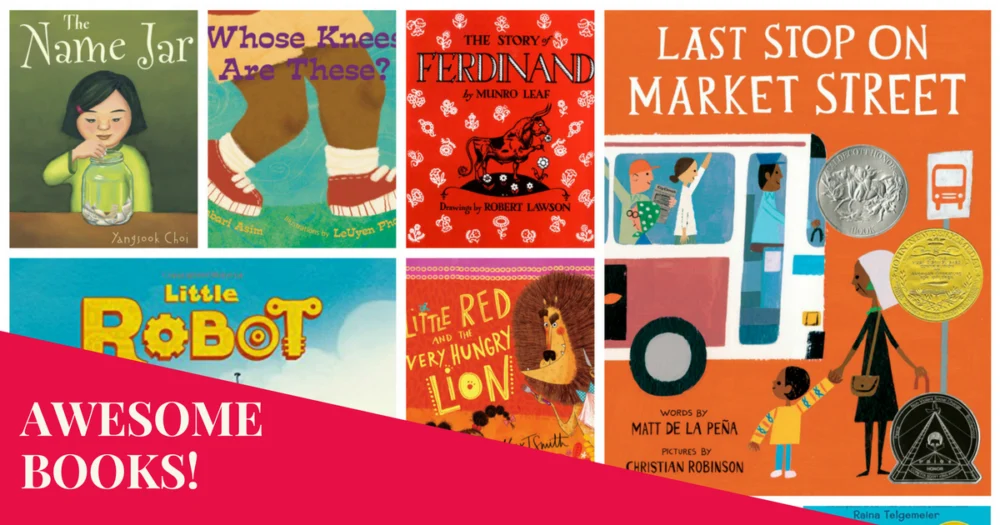
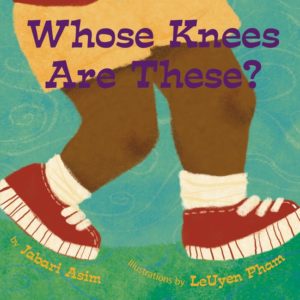
- "Whose Knees Are These?" by Jabari Asim: This simple yet effective board book uses rhymes to encourage young children to identify body parts. Its inclusive illustrations depict babies of various ethnicities, subtly normalizing diversity from the earliest stages of development.
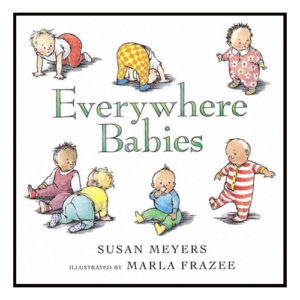
- "Everywhere Babies" by Susan Meyers: Featuring stunning illustrations, this book celebrates the universality of babies, showcasing them in a diverse array of family structures, ethnicities, and environments. It’s a simple yet powerful message of shared humanity.
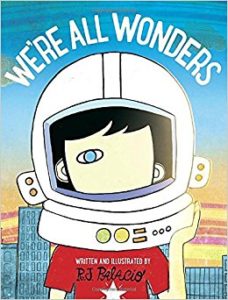
- "We’re All Wonders" by R.J. Palacio: Adapted from the beloved chapter book "Wonder," this picture book introduces the character of Auggie, a boy with facial differences. It gently conveys themes of kindness, acceptance, and the idea that everyone is wonderful in their own way, making it accessible for younger audiences.
For Preschoolers:
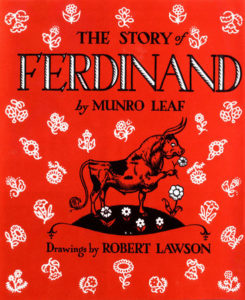
- "The Story of Ferdinand" by Munro Leaf: A timeless classic, Ferdinand the bull defies societal expectations of masculinity by preferring to smell flowers over fighting. This story champions non-conformity and gentle strength, resonating with children who may feel they don’t fit a prescribed mold.
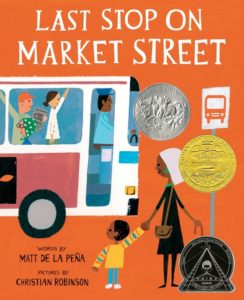
- "Last Stop on Market Street" by Matt de la Peña: This Newbery Medal winner offers a profound look at community, family, and finding beauty in everyday life through the eyes of CJ and his grandmother. The story highlights the vibrant diversity of an urban neighborhood and the importance of human connection, featuring characters of color and showcasing a loving intergenerational relationship.
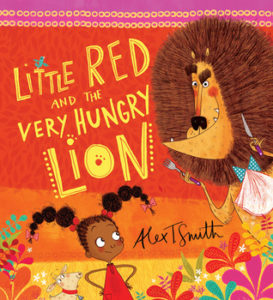
- "Little Red and the Very Hungry Lion" by Alexia Vidal: A delightful twist on the classic fairy tale, this version replaces the wolf with a lion and sets the story in a jungle. It features a strong female protagonist and an imaginative reimagining of a familiar narrative, offering a more vibrant and less violent take for young children.
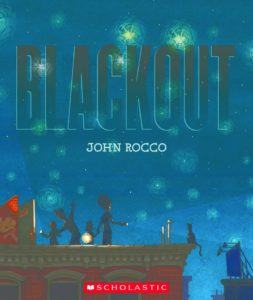
- "Blackout" by John Rocco: This Caldecott Honor book uses minimal text and striking illustrations to tell the story of a family coming together when the power goes out during a summer heatwave. It subtly depicts a contemporary family dynamic and the importance of shared experiences, offering a visual narrative that pre-readers can easily engage with.
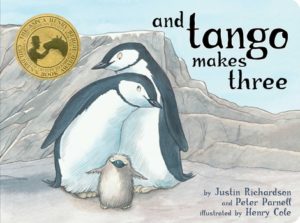
- "And Tango Makes Three" by Justin Richardson and Peter Parnell: Based on a true story, this book recounts how two male penguins at the Central Park Zoo formed a pair and were given an egg to raise. It provides a gentle and accessible introduction to same-sex relationships and the diverse forms families can take, addressing a significant gap in LGBTQ+ representation in children’s literature.
- "The Name Jar" by Yangsook Choi: This heartwarming story follows Unhei, a young Korean immigrant navigating the challenges of starting a new school. The book sensitively explores themes of cultural identity, the pressure to assimilate, and the beauty of embracing one’s name and heritage. It’s a valuable tool for fostering understanding of the immigrant experience.
- "The Snowy Day" by Ezra Jack Keats: A seminal work in children’s literature, this Caldecott Medal winner features Peter, a young Black boy, experiencing the joy and wonder of a snow day in his urban neighborhood. Its simple yet evocative storytelling and groundbreaking inclusion of a Black protagonist broke new ground and continues to be cherished for its depiction of childhood innocence and exploration.
- "Little Robot" by Ben Hatke: This wordless graphic novel tells a touching story of friendship between a small robot and a curious girl. Its universal themes of connection and kindness, conveyed through expressive illustrations, make it accessible to a wide range of young readers, regardless of their reading ability.
For Older Children:
- "Zita the Spacegirl" by Ben Hatke: This graphic novel series follows Zita, an adventurous Earth girl who embarks on a journey through space. The series is celebrated for its strong female protagonist, themes of loyalty and bravery, and its appeal to early readers and those who enjoy action-packed adventures. Hatke’s work consistently features compelling characters in diverse settings.
- "Mighty Jack" by Ben Hatke: A creative reimagining of "Jack and the Beanstalk," this graphic novel introduces Maddy, Jack’s sister, who has autism. The story intricately weaves themes of sibling relationships, divorced households, and the challenges of navigating difference, all within an exciting fantasy narrative filled with adventure and mythical creatures.
- "El Deafo" by Cece Bell: A Newbery Honor recipient, this graphic novel memoir tells the story of a young girl who loses her hearing and finds her voice through an amplified hearing aid. It humorously and honestly explores the experience of being different, the challenges of social acceptance, and the power of imagination, with the protagonist embracing her unique abilities as a superhero.
- "Sisters" by Raina Telgemeier: This popular graphic novel delves into the complex dynamics of sisterhood, sibling rivalry, and the memorable experience of a family road trip. Telgemeier’s work is known for its relatable characters and engaging storytelling. Her other books, such as "Ghost" (featuring a protagonist with cystic fibrosis) and "Drama" (touching on unrequited crushes and a character questioning his sexuality), further contribute to a diverse and inclusive literary landscape for middle-grade readers.
Broader Impact and Future Directions
The growing awareness and demand for diverse children’s books are leading to positive shifts within the publishing industry. However, challenges remain. Ensuring authentic representation, moving beyond tokenism, and increasing the number of authors and illustrators from diverse backgrounds are crucial next steps. Initiatives like We Need Diverse Books, a non-profit organization, are actively working to promote diversity in children’s literature through advocacy, mentorship, and awareness campaigns.
The implications of these efforts extend beyond the pages of books. By providing children with a rich tapestry of stories that reflect the complexities and beauty of the world, we are nurturing a generation that is more empathetic, understanding, and inclusive. The continued development and promotion of diverse children’s literature are not merely an academic exercise but a fundamental investment in building a more equitable and harmonious society. As parents, educators, and readers, actively seeking out and championing these stories plays a vital role in shaping the narratives that will define our collective future.
