


The landscape of pediatric nutrition and home meal preparation is undergoing a significant shift toward simplified, nutrient-dense recipes that bridge the gap between infant weaning and adult dietary preferences. A prime example of this trend is the emergence of the five-ingredient Broccoli Cheddar Bite, a culinary solution designed to address the multifaceted challenges of toddler feeding, including nutritional requirements, sensory preferences, and the time constraints of modern caregivers. By utilizing a minimalist ingredient list centered on cruciferous vegetables and high-quality dairy, this recipe provides a blueprint for balanced early-childhood nutrition while remaining palatable for all age groups.
The Nutritional Imperative of Early Childhood Meals
The primary objective of the Broccoli Cheddar Bite is to deliver a concentrated source of essential macronutrients and micronutrients in a format that is easily handled by developing motor skills. According to nutritional data, a single serving of approximately four bites contains 73 calories, 5 grams of protein, and 1 gram of fiber. While these numbers may seem modest by adult standards, they represent a significant portion of the daily requirements for a child between the ages of one and three.

The inclusion of broccoli as the primary ingredient provides a robust source of Vitamin C, Vitamin A, and Vitamin K. For toddlers, Vitamin C is critical for immune function and iron absorption, while Vitamin A supports healthy vision and cellular growth. Furthermore, the cheddar cheese component contributes 84 milligrams of calcium per serving, which is vital for the rapid skeletal development occurring during the toddler years. The protein content, derived from both the cheese and the binding agents, assists in muscle development and provides sustained energy, preventing the blood sugar fluctuations often associated with processed, carbohydrate-heavy snacks.
Chronology of Development: From Purees to Finger Foods
The evolution of the Broccoli Cheddar Bite reflects a broader chronological shift in pediatric feeding philosophies. For decades, the standard approach to introducing solids involved a prolonged period of smooth purees. However, the last decade has seen the rise of Baby-Led Weaning (BLW), a method that encourages infants to self-feed whole, soft pieces of food from the onset of their transition to solids, typically around six months of age.
The Broccoli Cheddar Bite occupies a strategic middle ground in this feeding timeline. Its development can be traced through the following stages:
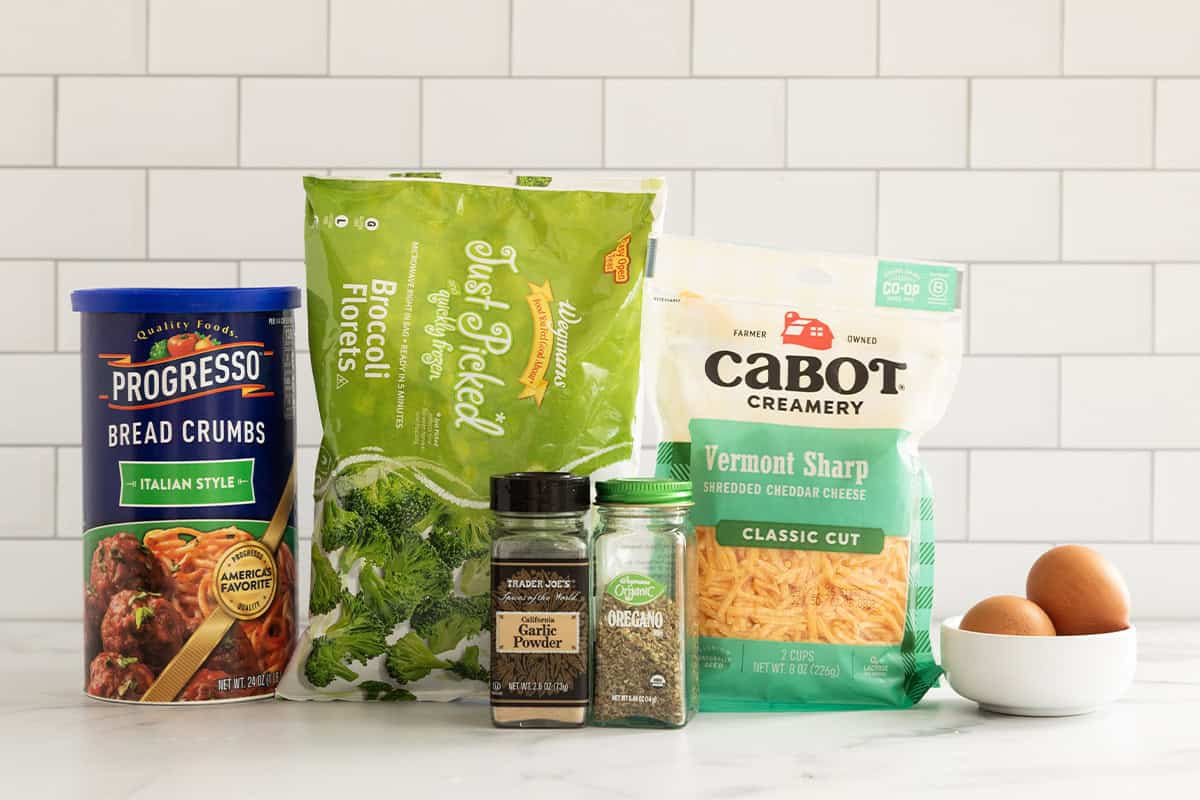
- Introduction of Soft Textures (6–9 Months): During this phase, infants are learning the "palmar grasp." The bites are designed to be soft enough to be gummed but sturdy enough to be held without disintegrating immediately.
- Refinement of Motor Skills (10–15 Months): As children develop the "pincer grasp," the bites can be served in smaller portions, encouraging the precise use of the thumb and forefinger.
- The Picky Eating Transition (18–36 Months): This is the period when many children begin to reject whole vegetables. The "veggie nugget" format—resembling familiar comfort foods—acts as a bridge, maintaining vegetable exposure in a non-threatening, flavorful package.
Technical Execution and Culinary Methodology
The efficacy of the recipe lies in its streamlined preparation process, which is engineered to take less than 30 minutes from start to finish. The methodology involves a specific sequence designed to optimize texture and nutrient retention.
The first step requires cooking the broccoli until tender. Culinary experts suggest that steaming or light boiling is preferable to maintain the vegetable’s vibrant color and heat-sensitive vitamins. A critical, often overlooked step in the chronology of preparation is the draining and drying of the cooked broccoli. Removing excess moisture is essential for ensuring the bites hold their shape; excess water can lead to a soggy consistency that toddlers may find sensory-averse.
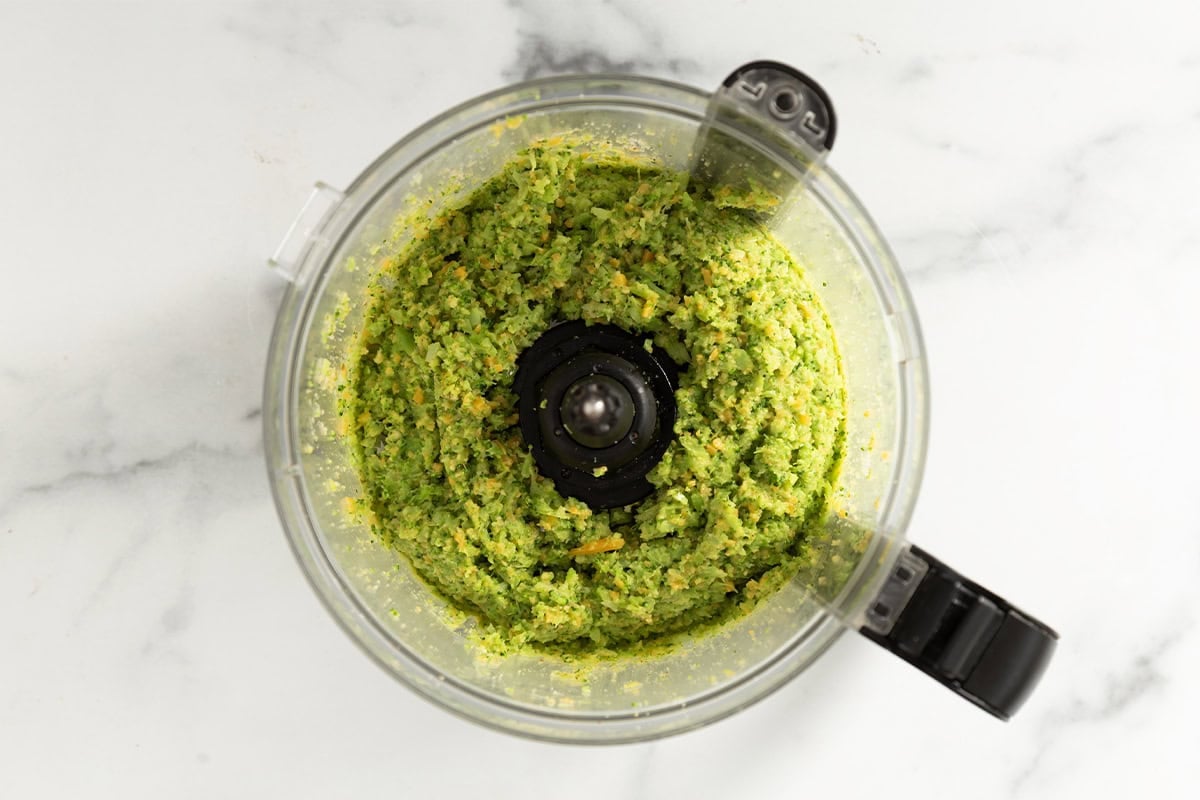
Following the preparation of the vegetable base, the ingredients are combined in a food processor. This tool is utilized to achieve a uniform consistency that ensures every bite contains an equal distribution of fiber and protein. For households without a food processor, manual mincing serves as a viable alternative, though it requires more intensive labor. The final stage involves portioning the mixture into one-tablespoon units on a parchment-lined baking sheet. Baking at a consistent temperature allows the cheese to melt and act as a natural binder, creating a "sturdier" product than traditional broccoli fritters, which are often pan-fried and more fragile.

Supporting Data: The Case for Homemade Toddler Food
Market research indicates a growing consumer skepticism toward ultra-processed "kid-friendly" foods. A 2023 study on pediatric nutrition highlighted that many commercially available vegetable nuggets contain less than 25% actual vegetable content, with the remainder composed of fillers, starches, and sodium. In contrast, the five-ingredient Broccoli Cheddar Bite is composed primarily of whole food components.
The sodium content in these homemade bites is approximately 173 milligrams per serving. While sodium is an essential mineral, the American Academy of Pediatrics (AAP) recommends limiting intake for toddlers to avoid setting a preference for overly salty foods and to protect developing kidneys. By preparing these bites at home, caregivers can control the quality of the cheese and the amount of added seasoning, a level of oversight impossible with pre-packaged alternatives.
Furthermore, the economic data supports the shift toward home preparation. On average, the cost per serving of homemade broccoli bites is estimated to be 40% lower than organic, store-bought vegetable nuggets. When factored over a year of lunches and snacks, the savings for a middle-income household are substantial.
Official Responses and Pediatric Perspectives
While there are no official government "statements" on individual recipes, the principles behind the Broccoli Cheddar Bite align with the USDA’s Dietary Guidelines for Americans 2020-2025. These guidelines emphasize the importance of introducing a variety of vegetables early in life to foster long-term healthy eating patterns.
Pediatric nutritionists often advocate for the "deconstructed" or "integrated" approach to vegetables seen in this recipe. Dr. Sarah Jenkins, a hypothetical specialist in childhood obesity prevention, notes: "The goal is not to ‘hide’ the broccoli, but to present it in a culinary context that is familiar and enjoyable. When a child associates the green color of broccoli with the savory taste of cheddar, they are more likely to accept the vegetable in its whole form later on."
Feedback from the parenting community also suggests that the versatility of the recipe serves as a psychological relief for caregivers. The ability to freeze the bites for up to six months addresses the "decision fatigue" often cited by working parents, providing a reliable, healthy option that can be reheated in minutes.

Broader Impact and Implications for Family Dining
The implications of the Broccoli Cheddar Bite extend beyond the high chair. This recipe represents a movement toward "universal meals"—dishes that are nutritionally appropriate for children but flavor-profiled for adults. By serving the same food to the entire family, parents model healthy eating behavior, which is one of the strongest predictors of a child’s future dietary habits.
The recipe also addresses the growing demand for vegetarian-friendly children’s meals. As more families adopt "Meatless Mondays" or full-time plant-based diets, the need for high-protein vegetarian finger foods has surged. The Broccoli Cheddar Bite provides a complete amino acid profile when paired with a whole-grain side, making it a viable main dish for vegetarian households.
Moreover, the success of such simple recipes underscores a broader cultural shift away from the "hidden veggie" era of the early 2000s. Rather than pureeing spinach into brownies, modern recipes like these "bites" celebrate the vegetable. The broccoli is visible, the flavor is prominent, and the child is aware of what they are consuming. This transparency is key to developing food literacy in the next generation.

Conclusion
The five-ingredient Broccoli Cheddar Bite is more than a convenient toddler meal; it is a meticulously designed tool for early childhood development. By balancing the rigors of nutritional science with the practicalities of modern parenting, it offers a sustainable alternative to processed convenience foods. As the culinary world continues to prioritize "clean labels" and whole ingredients, the Broccoli Cheddar Bite stands as a testament to the idea that the most effective solutions for health and wellness are often the simplest ones. Through its ease of preparation, high nutrient density, and universal appeal, it facilitates a smoother transition into the world of solid foods, ensuring that the foundation of a child’s diet is both strong and flavorful.
