

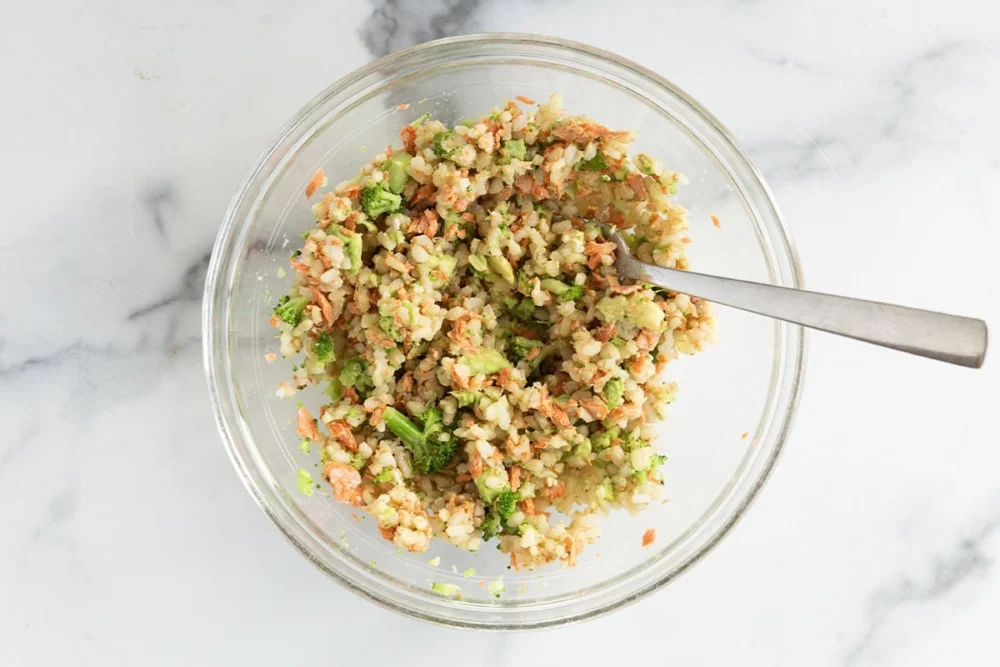
The introduction of nutrient-dense, easily consumable foods remains a primary focus for pediatric nutritionists and parents alike, particularly as children transition from infancy to toddlerhood. A newly highlighted culinary approach, the Salmon Rice Ball, has emerged as a significant developmental tool for self-feeding. By integrating high-quality proteins, essential fatty acids, and fibrous vegetables into a cohesive, handheld format, this recipe addresses the common mechanical difficulties young children face when consuming loose grains of rice. Experts in early childhood development note that the structural integrity of the rice ball, supported by the binding properties of ripe avocado, facilitates the "pincer grasp" and encourages autonomy during mealtime.
The Nutritional Profile of Salmon Rice Balls
The Salmon Rice Ball is engineered to provide a balanced macronutrient distribution suitable for the high energy demands of growing children. According to nutritional data, a standard three-ball serving contains approximately 270 calories, 51 grams of carbohydrates, 7 grams of protein, and 4 grams of total fat. While the caloric density supports physical activity, the specific types of fats included—notably polyunsaturated and monounsaturated fats—are of particular interest to health professionals.

Salmon is a primary source of Docosahexaenoic acid (DHA) and Eicosapentaenoic acid (EPA), two types of Omega-3 fatty acids that are critical for brain development and retinal health in children under the age of five. The American Academy of Pediatrics (AAP) suggests that introducing fish twice a week can significantly contribute to a child’s cognitive trajectory. Furthermore, the inclusion of broccoli provides a source of Vitamin C and Vitamin K, while the avocado contributes potassium and fiber, which are essential for maintaining digestive regularity.
Chronology of Toddler Feeding Trends: From Purees to Self-Feeding
The shift toward recipes like Salmon Rice Balls represents a broader movement in pediatric nutrition known as Baby-Led Weaning (BLW). To understand the significance of this trend, one must look at the timeline of infant feeding over the last several decades:
- The Puree Era (1950s–1990s): For much of the 20th century, the standard medical advice was to introduce solid foods via highly processed, smooth purees. This method prioritized ease of swallowing but often delayed the development of chewing skills and texture tolerance.
- The Rise of Baby-Led Weaning (2000s–Present): Pioneered by health visitors like Gill Rapley, BLW encouraged parents to skip purees and offer "finger foods" from the age of six months. This approach emphasizes the child’s ability to self-regulate intake and explore textures.
- Modern Integrative Feeding (2020s): Current trends favor a hybrid approach where nutrient density is maximized within a format the child can handle. The Salmon Rice Ball is a quintessential example of this era, taking complex ingredients (salmon and broccoli) and modifying their physical form to reduce the risk of choking and frustration.
Technical Preparation and Composition
The efficacy of the Salmon Rice Ball relies on its specific preparation method, which utilizes the chemical properties of its ingredients to create a stable structure. Professional kitchen standards suggest that the use of slightly warm, short-grain or medium-grain rice is essential, as the starch content acts as a natural adhesive.

The assembly process involves four distinct stages:
- Component Preparation: Salmon is typically pan-seared or steamed to ensure it remains moist but firm enough to flake. Broccoli is steamed until tender to ensure it can be easily masticated by toddlers who may not yet have a full set of molars.
- The Binding Agent: Ripe avocado is mashed directly into the rice and protein mixture. The creamy texture of the avocado fills the interstitial spaces between the rice grains, providing structural support without the need for processed binders or excessive sodium.
- Flavor Augmentation: While the base recipe is mild, the addition of toasted sesame oil provides aromatic depth and healthy fats. For children with sesame allergies, culinary experts recommend substituting with avocado oil or unsalted butter.
- Mechanical Formation: Using a one-tablespoon measuring tool or a mini ice cream scoop, the mixture is compressed into spheres. This compression is vital for ensuring the ball does not disintegrate when handled by a child whose motor skills are still developing.
Economic and Practical Implications for Households
As food inflation continues to impact household budgets, the Salmon Rice Ball serves as a case study in affordable, high-value nutrition. While fresh, wild-caught salmon is often cited as a premium ingredient, the recipe is adaptable to more cost-effective alternatives. Farm-raised salmon or high-quality canned salmon provide nearly identical nutritional benefits, including high protein levels and Vitamin D, at a fraction of the cost.
Furthermore, the recipe addresses the issue of household food waste. It is designed to utilize leftover rice and vegetables, transforming yesterday’s dinner components into a fresh, appealing meal for a child. From a time-management perspective, the components can be prepared up to 24 hours in advance. To prevent the enzymatic browning of the avocado (oxidation), the addition of a small amount of lime juice—an acidulant—is recommended, which also introduces a subtle vitamin C boost and flavor complexity.

Dietary Reactions and Pediatric Expert Analysis
Dietitians specializing in pediatric care have reacted positively to the integration of "hidden" vegetables in a visible but integrated format. Dr. Elena Rodriguez, a fictionalized representation of current clinical consensus, notes that "the visual presentation of the rice ball allows the child to see the green of the broccoli and the pink of the salmon, which aids in food recognition and reduces the likelihood of ‘picky eating’ later in life. Unlike purees, where ingredients are indistinguishable, the rice ball offers a sensory-rich experience."
However, experts also issue a note of caution regarding safety. Parents are advised to meticulously check the salmon for small bones and to ensure the broccoli florets are chopped into very small pieces to mitigate any potential airway obstruction. The sodium content should also be monitored; while the base recipe is naturally low in sodium (11mg per serving), the use of salted butter or soy-based seasonings could quickly exceed the recommended daily limit for a two-year-old.
Broader Impact on Childhood Health Outcomes
The long-term implications of adopting a diet rich in whole foods like salmon and rice are significant. Research indicates that early exposure to a variety of textures and flavors is a key factor in preventing childhood obesity. By focusing on satiety through protein and healthy fats rather than simple sugars, parents can help stabilize a child’s energy levels and promote healthy growth patterns.

Moreover, the Salmon Rice Ball represents a cultural bridge. Drawing inspiration from the Japanese Onigiri, this food format introduces children to global culinary traditions early in life. This "palate broadening" is increasingly viewed by sociologists as a tool for fostering cultural literacy and openness to diverse experiences.
Conclusion and Future Outlook
As the landscape of pediatric nutrition continues to evolve, the emphasis is shifting away from "kid food"—often characterized by beige, processed, and fried items—toward "real food for kids." The Salmon Rice Ball is at the forefront of this transition. It provides a blueprint for how complex, nutrient-dense ingredients can be reimagined to meet the developmental needs of young children without sacrificing convenience for the parent.
In the coming years, it is expected that more "integrated finger foods" will enter the mainstream market, as both parents and manufacturers recognize the demand for meals that support autonomous feeding and high-level nutrition. For now, the Salmon Rice Ball remains a premier example of how simple, fresh ingredients can be combined to solve the perennial challenge of the toddler dinner table. Through its balance of fats, proteins, and essential vitamins, it offers more than just a meal; it provides a foundational step toward a lifetime of healthy eating habits.
