

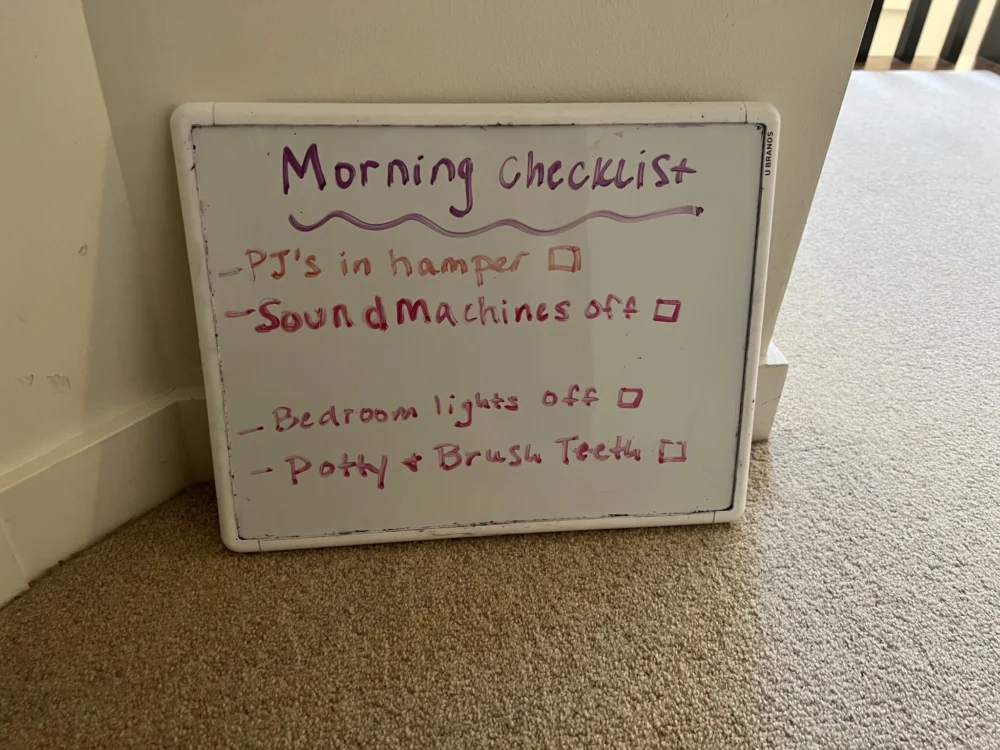
The modern family morning, a crucial daily transition, has evolved from a simple departure to a complex orchestration fraught with potential friction points. With the return to school and daycare schedules, parents worldwide are re-evaluating and refining their strategies to navigate the pre-school rush, aiming for efficiency, tranquility, and ultimately, a positive start to the day for both children and caregivers. This annual recalibration underscores a fundamental truth in child development: predictability and routine are cornerstones of a child’s sense of security and ability to function independently. Research consistently demonstrates that consistent daily routines contribute significantly to a child’s emotional regulation, cognitive development, and academic readiness, while also reducing parental stress.

The Modern Morning Rush: A Growing Challenge
In an era characterized by dual-income households and increasingly demanding schedules, the morning hours have become a critical bottleneck for many families. Historically, household structures often allowed for more flexible morning preparations, but contemporary pressures have intensified the need for streamlined efficiency. A 2022 survey by the American Psychological Association, for instance, revealed that a significant percentage of parents report feeling overwhelmed by daily tasks, with morning routines frequently cited as a major source of stress. This pressure is not merely anecdotal; studies published in journals like Child Development highlight how parental stress during these transitional periods can negatively impact children’s cortisol levels, potentially affecting their emotional well-being and readiness for learning environments. The ripple effect extends beyond the home, influencing children’s classroom engagement and social interactions throughout the day. Establishing robust, predictable routines is not just about timeliness; it is a proactive investment in the psychological and educational foundation of young individuals.
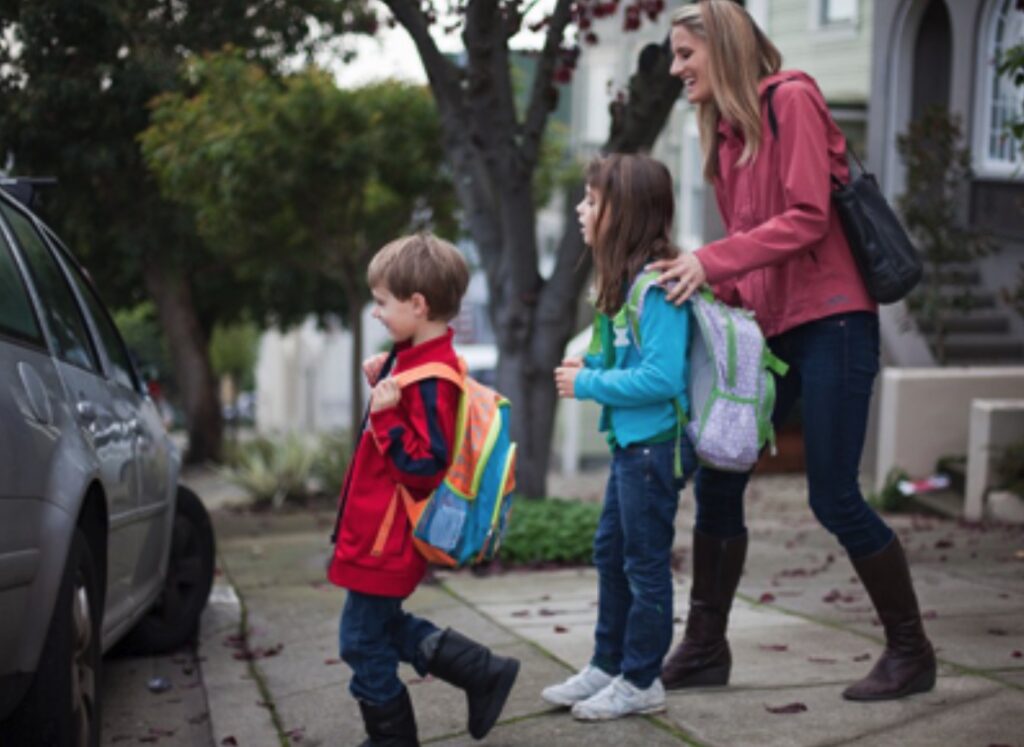
Pillar 1: Proactive Preparation – The Evening Advantage
The most effective morning begins the night before. This foundational principle of proactive preparation is consistently advocated by family organization experts and child development specialists alike. By front-loading tasks into the calmer evening hours, families can significantly reduce the cognitive load and decision fatigue that often derail mornings. Key preparatory steps include selecting the next day’s attire, preparing lunchboxes and snacks, and setting the breakfast table. Involving children in age-appropriate aspects of this preparation, such as choosing their outfit from pre-selected options or helping pack a non-perishable snack, fosters a sense of autonomy and responsibility, enhancing their buy-in to the routine.
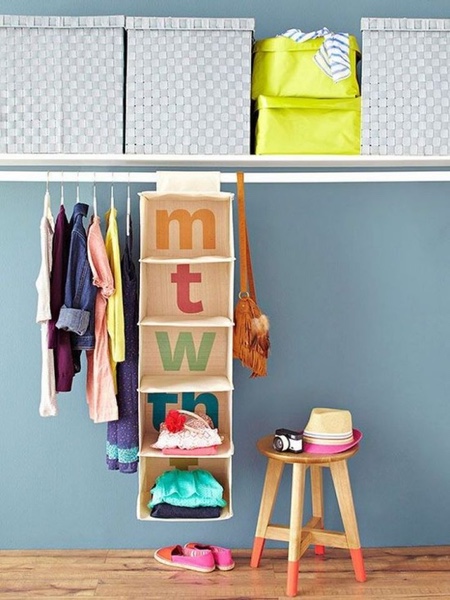
Data from organizational psychology suggests that minimizing the number of decisions to be made under pressure can dramatically improve efficiency and reduce anxiety. For example, having five days’ worth of outfits pre-selected and organized in a hanging closet system or cubbies can eliminate daily clothing battles. Similarly, a dedicated "lunch station" in the pantry or refrigerator with pre-portioned items can transform lunch packing from a scramble into a quick assembly task. Nutritional guidelines emphasize the importance of varied and balanced school lunches, and pre-planning allows for greater adherence to these standards. Experts from the National Association for the Education of Young Children (NAEYC) often highlight that when children participate in these small acts of preparation, they develop executive function skills, including planning and organization, which are vital for academic success and life skills. This evening investment pays dividends in the form of calmer mornings and more prepared children.
Pillar 2: Prioritizing Parental Well-being – The Early Start

A serene morning atmosphere often emanates from a calm and prepared parent. Child psychologists frequently advise that parents carve out a segment of "me-time" before their children awaken. This period, typically 15 to 30 minutes, allows parents to attend to personal needs, such as showering, dressing, or enjoying a quiet cup of coffee, thereby establishing a personal sense of readiness before the demands of child-rearing begin. This isn’t merely a luxury; it’s a strategic component of family management. Studies on emotional contagion within families demonstrate that a parent’s stress or anxiety can quickly transfer to children, escalating tension and reducing cooperation.
The discipline required for an early start—going to bed earlier and resisting the snooze button—is a direct investment in the entire family’s morning experience. Sleep science underscores the importance of consistent sleep schedules for adults, just as it does for children, impacting mood, energy levels, and cognitive function. A well-rested parent is better equipped to handle unexpected challenges, maintain patience, and model positive coping strategies. As Dr. Laura Markham, a clinical psychologist and author, often notes, "When parents are regulated, children are regulated." This pre-dawn quiet time acts as a buffer, enabling parents to approach their children’s needs with greater focus and a more composed demeanor, fostering a more harmonious and efficient morning flow.
Pillar 3: The Power of Time Management – Visuals and Auditory Cues
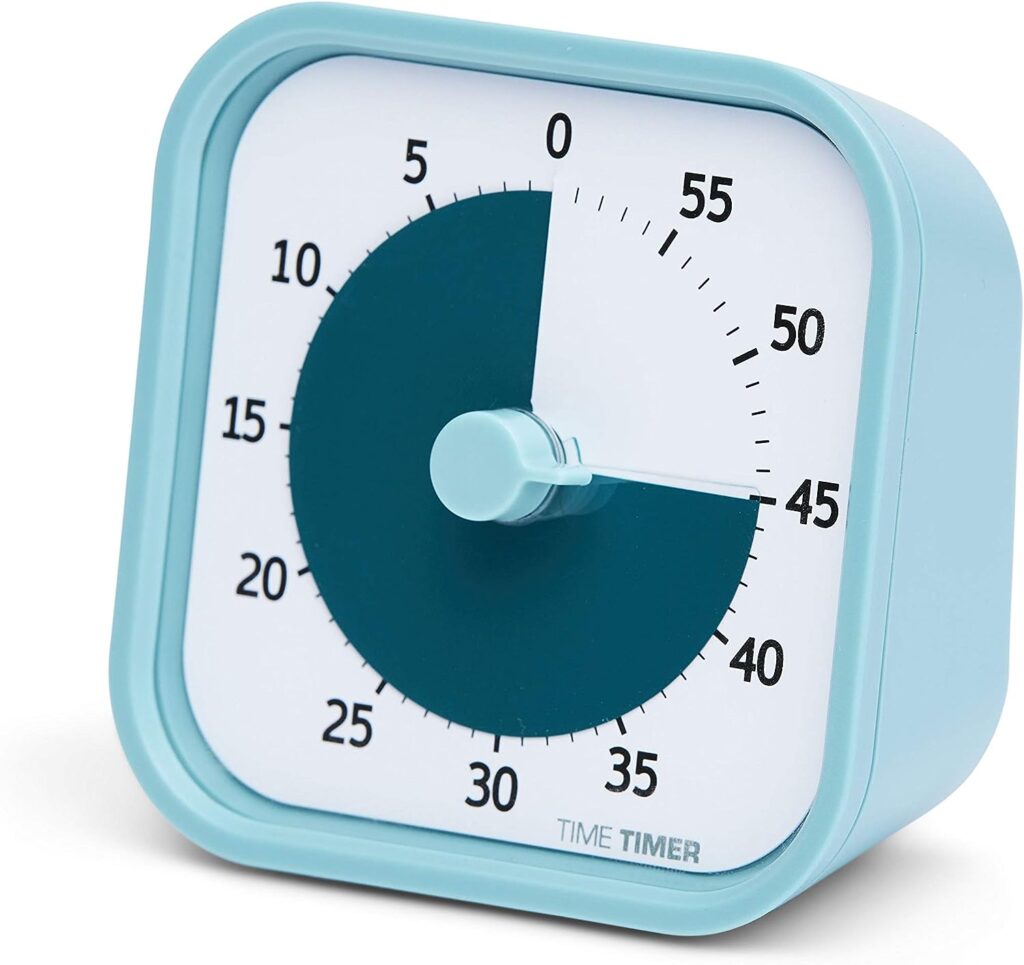
Effective time management is paramount in the morning, and for children, abstract concepts like "minutes" or "half-hours" can be challenging to grasp. This is where tangible and auditory cues become invaluable. Timers, particularly visual or analog countdown timers, are highly effective tools. These devices feature a colored disc that gradually disappears, offering a clear, intuitive representation of elapsed time without requiring children to tell time numerically. For younger children, visual timers featuring playful designs or color-coded segments can make the passage of time more concrete and less abstract. This method aligns with developmental psychology, which recognizes that young children learn best through concrete experiences and visual aids.
Beyond visual cues, auditory signals can structure the morning routine powerfully. Creating a curated "morning playlist" with upbeat, familiar songs can guide children through sequential tasks. For instance, a specific song could signal "time to get dressed," another for "breakfast," and a final tune for "shoes on and out the door." This musical pacing not only adds an element of fun but also provides predictable transitions, reducing the need for constant verbal reminders from parents. The predictability offered by both visual and auditory timers empowers children to develop a sense of internal timing and self-regulation, crucial skills for school and beyond. Educational consultants frequently cite that children who have a clear understanding of time expectations are less likely to resist transitions and more likely to exhibit cooperative behavior.
Pillar 4: Gamification and Positive Reinforcement – Making it Fun

Injecting an element of play into morning routines can transform mundane tasks into engaging challenges. Gamification, the application of game-design elements and game principles in non-game contexts, is a potent psychological tool for motivating children. Framing tasks as "races" or "challenges" can leverage children’s natural competitive instincts in a positive way. For example, a parent might challenge their child to "have all your clothes on by the time I finish brushing my teeth," creating a fun, time-bound objective. This approach taps into intrinsic motivation, making the child feel a sense of accomplishment rather than merely complying with an adult’s directive.
Another powerful motivator is the prospect of "free time." Offering a period where children can engage in self-chosen activities (e.g., playing with Legos, reading, drawing, or limited educational screen time) once their morning tasks are complete can be highly effective. This reward system reinforces desired behaviors, and the explicit use of a timer for this "free time" ensures it remains a structured, finite activity before the final departure. It is important, however, to ensure that the pursuit of free time does not lead to children waking excessively early or rushing tasks to an extent that quality is compromised. Behavioral psychologists recommend that rewards should be clear, consistent, and proportionate to the effort, fostering a sense of control and positive association with the morning routine.

Pillar 5: Structural Aids – Checklists and Visual Schedules
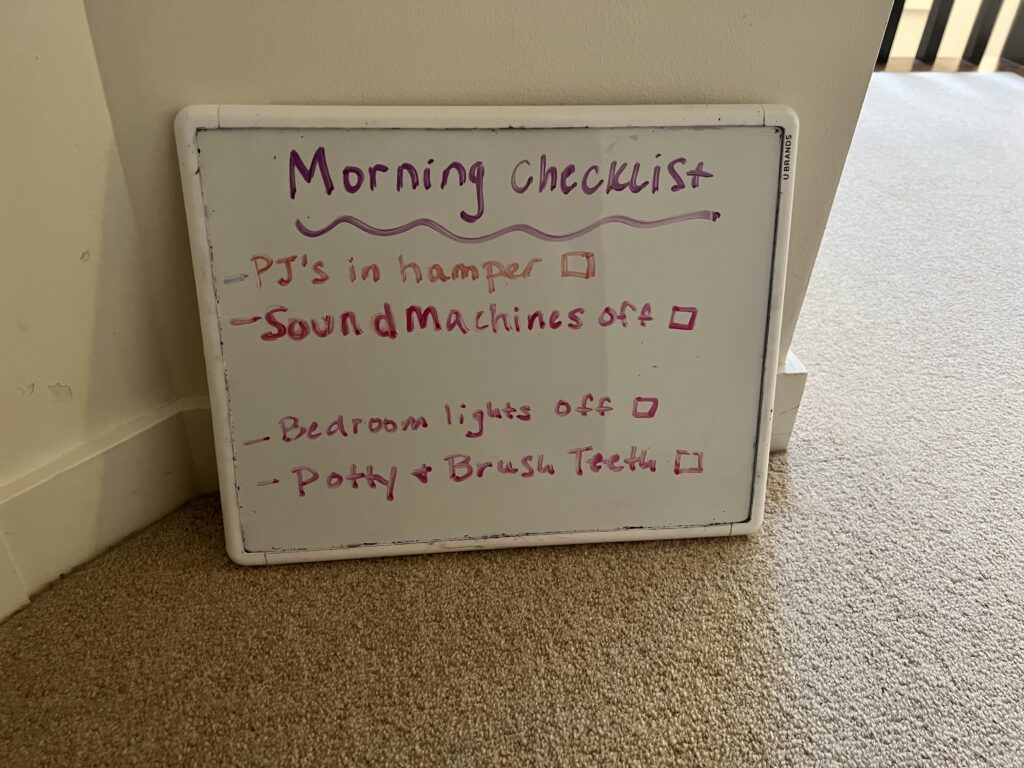
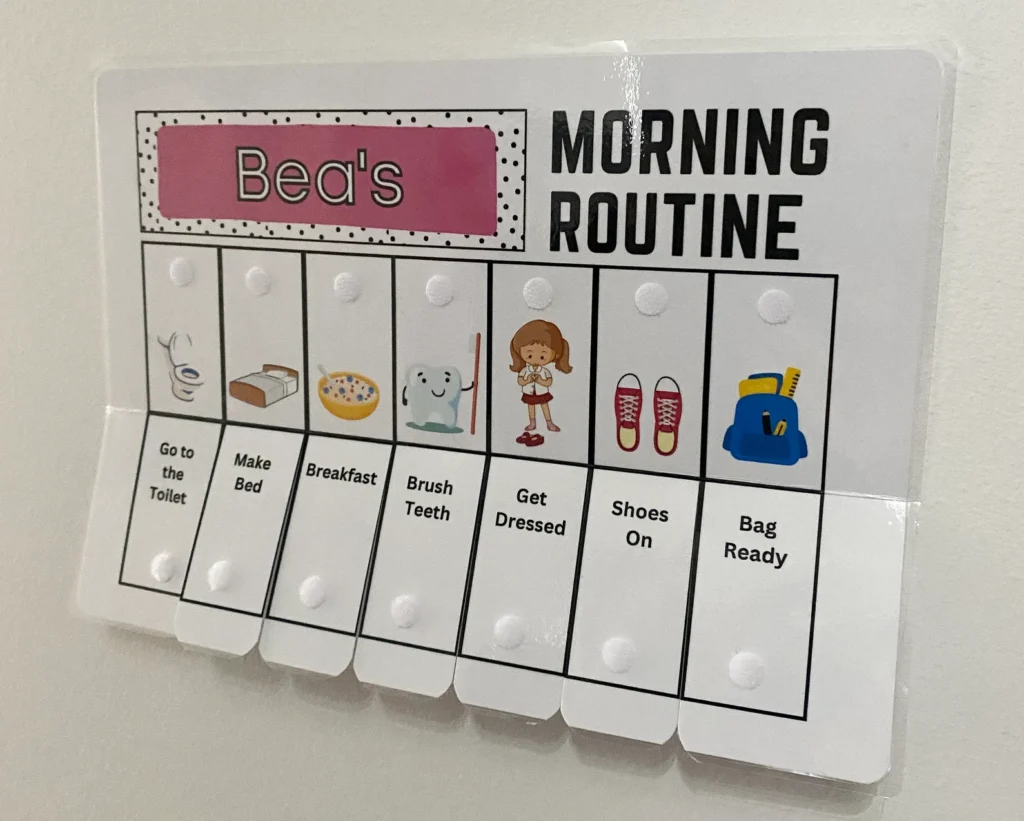
Checklists and visual schedules serve as invaluable external memory aids and self-monitoring tools for children, promoting independence and reducing parental prompting. A simple whiteboard placed prominently in a child’s bedroom or hallway, detailing morning tasks, can be highly effective. For pre-readers, visual checklists using drawings or printed pictures of each task (e.g., brushing teeth, getting dressed, eating breakfast) are essential. As children grow older and develop literacy skills, text-based checklists can be introduced. The act of checking off or flipping a tab once a task is completed provides a tangible sense of progress and achievement.
The cognitive benefits of externalizing routines are well-documented. By visually representing the sequence of tasks, checklists reduce the cognitive load on children, allowing them to focus on the task at hand rather than trying to remember the next step. This is particularly beneficial for children developing executive function skills. Commercial visual morning charts, often utilizing Velcro tabs or sliding check boxes, offer durable and engaging options, while DIY versions can be customized to specific family needs. Educational psychologists emphasize that consistency in the use of these tools is key, transforming them from mere lists into integral components of a child’s daily structure, fostering self-reliance and organizational habits that extend far beyond the morning.
Pillar 6: Nutritional Foundations – Simplifying Breakfast

Breakfast is widely recognized by nutritionists and educators as the most important meal of the day, providing the essential fuel for cognitive function, concentration, and physical energy throughout the school morning. However, the morning rush often tempts families to skip or compromise on this vital meal. The key to successful morning nutrition lies in simplicity and pre-planning, not culinary complexity. Parents are encouraged to embrace quick, nutritious options that can be prepared with minimal fuss.
Examples of highly effective, nutrient-dense breakfasts include peanut butter and banana on whole-wheat toast, instant oatmeal with berries, whole-grain toaster waffles, avocado toast, and yogurt with granola or fruit. These options provide a balanced mix of carbohydrates, protein, and healthy fats, ensuring sustained energy release. Research from organizations like the American Academy of Pediatrics consistently links regular breakfast consumption to improved academic performance, better attention spans, and reduced behavioral issues in school. Dispelling the myth that breakfast must be an elaborate affair, focus shifts to readily available ingredients and minimal preparation time, ensuring that children are adequately nourished to meet the demands of their day without adding undue stress to the morning routine.
Optimizing the Transition – Entryway Efficiency
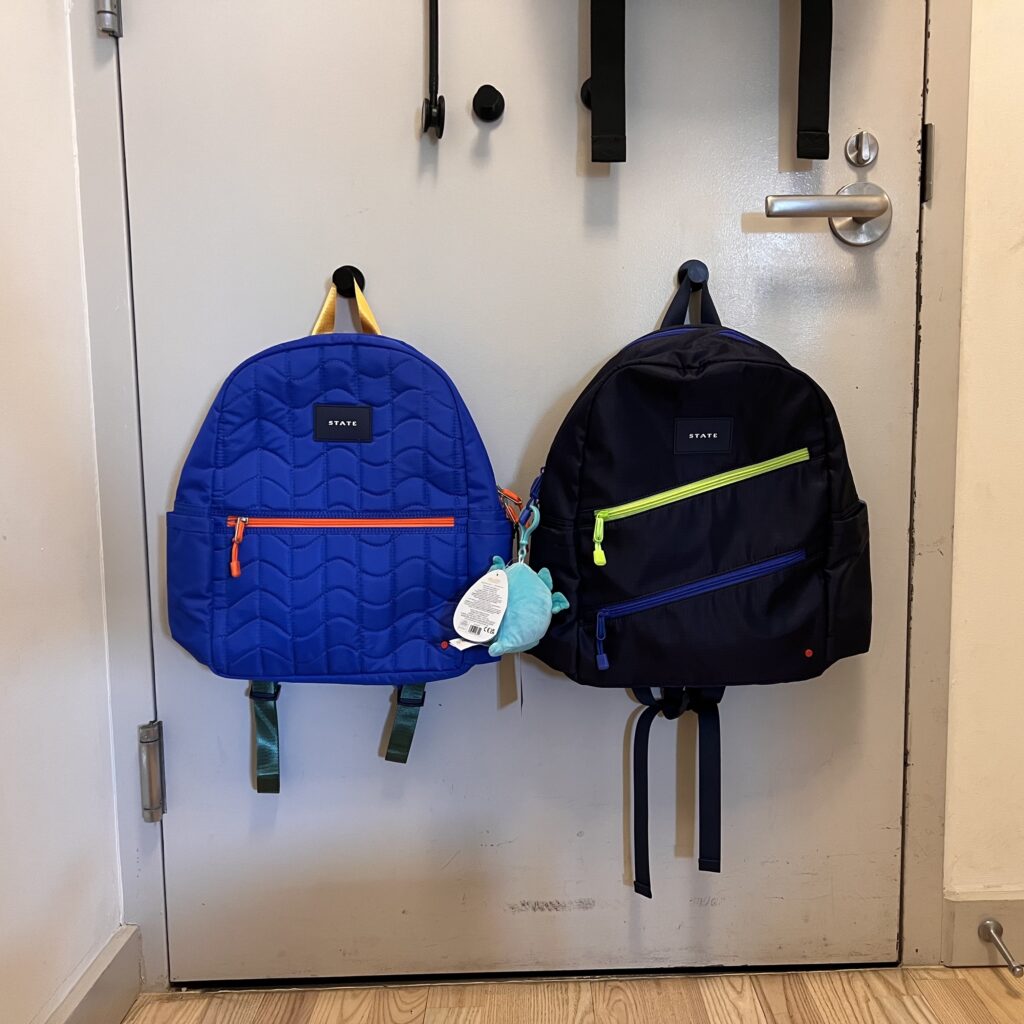
The final moments before leaving the house can often be the most chaotic. To smooth this critical transition, creating an organized and child-friendly entryway is essential. Implementing designated "launchpad" zones for school items, such as backpacks, coats, and shoes, can significantly reduce last-minute searches and meltdowns. Wall hooks installed at children’s eye level empower them to independently retrieve their coats and backpacks, fostering a sense of capability and reducing reliance on adult assistance. Magnetic hooks on doors or dedicated cubbies can serve a similar purpose, ensuring that all necessary items are easily accessible and visible.

Furthermore, the choice of footwear can dramatically impact departure efficiency. Easy-to-wear shoes, such as hands-free slip-on sneakers or those with simple Velcro closures, eliminate the time and frustration associated with laces. Products like Kizik sneakers, designed for effortless wear, exemplify this principle, demonstrating how thoughtful product design can directly support streamlined routines. By creating an environment where children can manage their final preparations with minimal intervention, parents can maintain a calmer demeanor and ensure a more punctual and positive exit from the home.
Broader Implications: Beyond the Morning

The concerted effort to refine morning routines yields benefits that extend far beyond simply arriving at school on time. Consistent, predictable routines are fundamental to a child’s overall development, contributing to enhanced self-regulation, increased independence, and a stronger sense of security. Children who experience predictable mornings often demonstrate better emotional control, higher resilience, and improved academic readiness. This positive start to the day sets a constructive tone for learning and social interactions.
For parents, mastering the morning routine significantly reduces daily stress and enhances overall family harmony. The investment in organization and proactive strategies translates into more quality time and fewer power struggles, fostering a more positive parent-child dynamic. From a societal perspective, supporting families in establishing effective routines contributes to better educational outcomes and, by extension, healthier communities. Schools and community programs can play a role by offering resources and workshops on family organization, reinforcing the message that a well-structured home environment is a shared goal. Ultimately, the deliberate cultivation of efficient and calm morning routines is a powerful strategy for nurturing resilient children and fostering thriving families in the complexities of contemporary life.
