

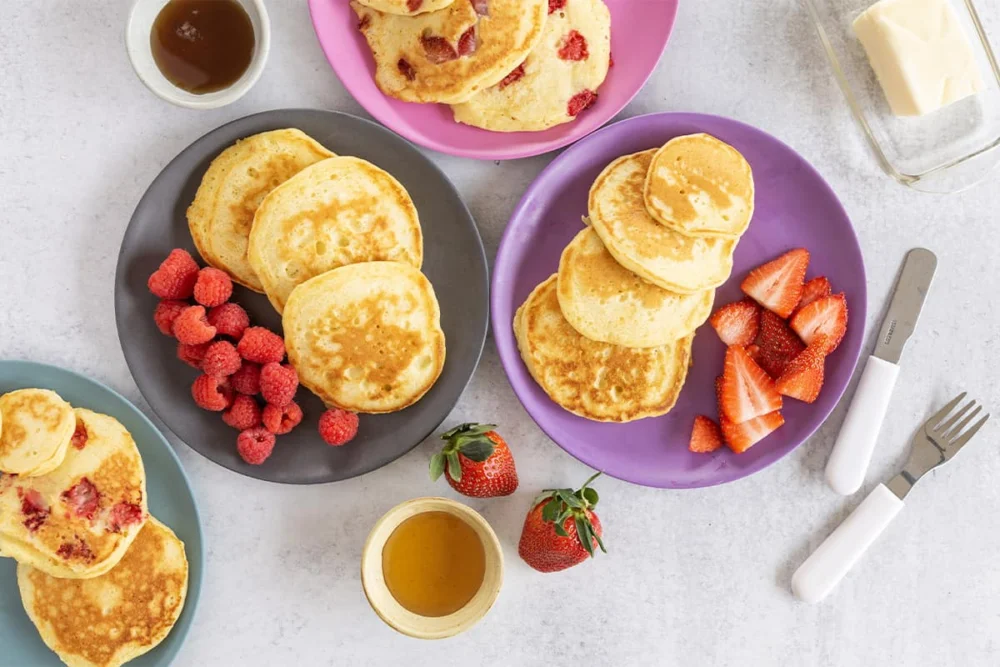
The culinary landscape of domestic breakfast preparation has undergone a significant shift in recent years, moving away from high-sugar, low-nutrient options toward protein-dense alternatives that cater to both pediatric development and adult satiety. Central to this movement is the emergence of Greek yogurt-based batters, which offer a distinct departure from traditional buttermilk or milk-only recipes. By integrating Greek yogurt—a concentrated dairy product known for its high protein content and probiotic profile—into a standard pancake framework, home cooks are achieving a structural fluffiness and nutritional density that was previously difficult to replicate in a domestic kitchen. This specific recipe, which has gained traction among nutritionists and parents alike, provides 10 grams of protein per serving, representing a substantial increase over conventional flour-based preparations.
The Evolution of the Modern High-Protein Breakfast
The transition toward high-protein breakfast options like Greek yogurt pancakes is rooted in a broader understanding of macronutrient distribution and its effects on metabolic health. Traditionally, the American breakfast has been dominated by refined carbohydrates, which often lead to rapid spikes in blood glucose followed by subsequent energy crashes. The introduction of Greek yogurt into the pancake batter serves a dual purpose: it acts as a leavening enhancer due to its acidity and provides a sustained release of energy through its amino acid profile.
Historically, pancakes have existed in various forms for millennia, with ancient Greeks and Romans consuming "alita dolcia" made from wheat flour, olive oil, honey, and curdled milk. The modern iteration, however, has evolved to meet the demands of 21st-century health standards. The use of Greek yogurt is a relatively recent innovation in the timeline of the dish, popularized as the "superfood" status of fermented dairy rose in the early 2010s. Today, this preparation is viewed not merely as a weekend indulgence but as a functional meal designed to fuel cognitive and physical activity throughout the morning hours.
Technical Methodology and Preparation Chronology
The success of the Greek yogurt pancake lies in a precise sequence of chemical interactions and mechanical mixing. To achieve the signature "extra fluffy" texture, the preparation must follow a systematic approach that respects the integrity of the ingredients.
Phase 1: Emulsification of Wet Ingredients
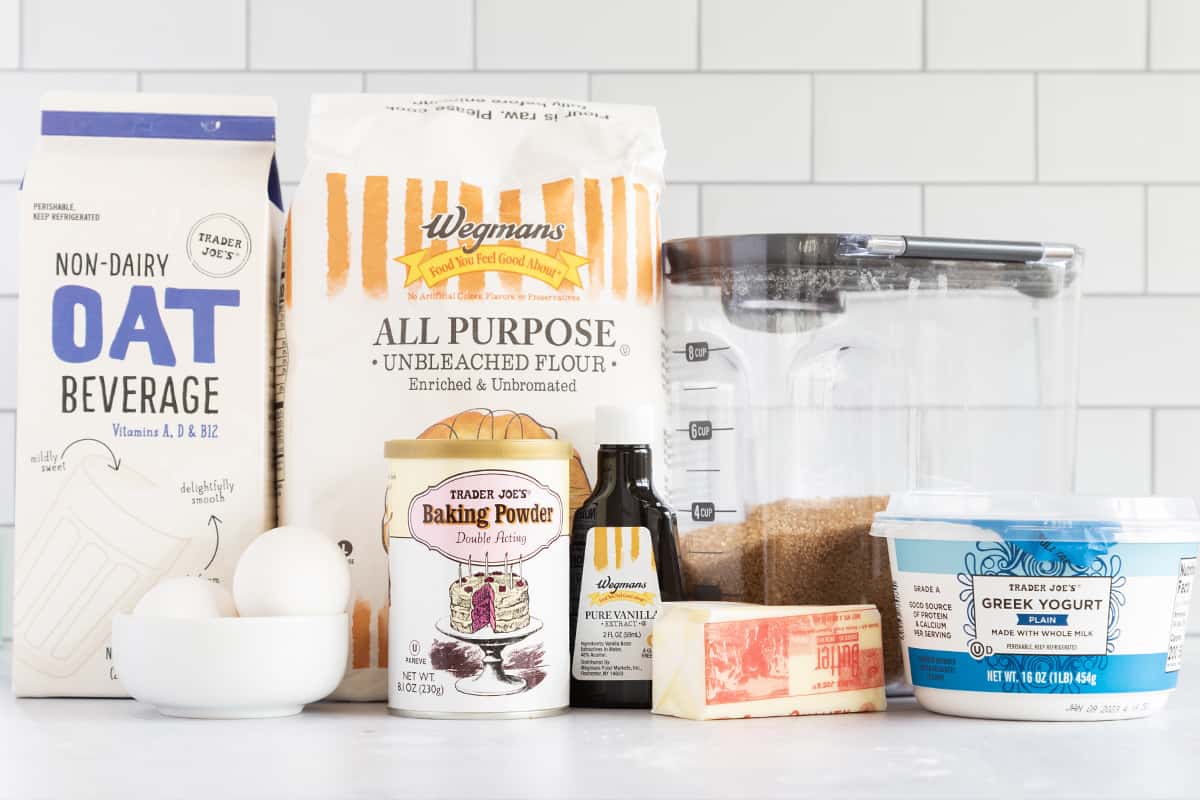
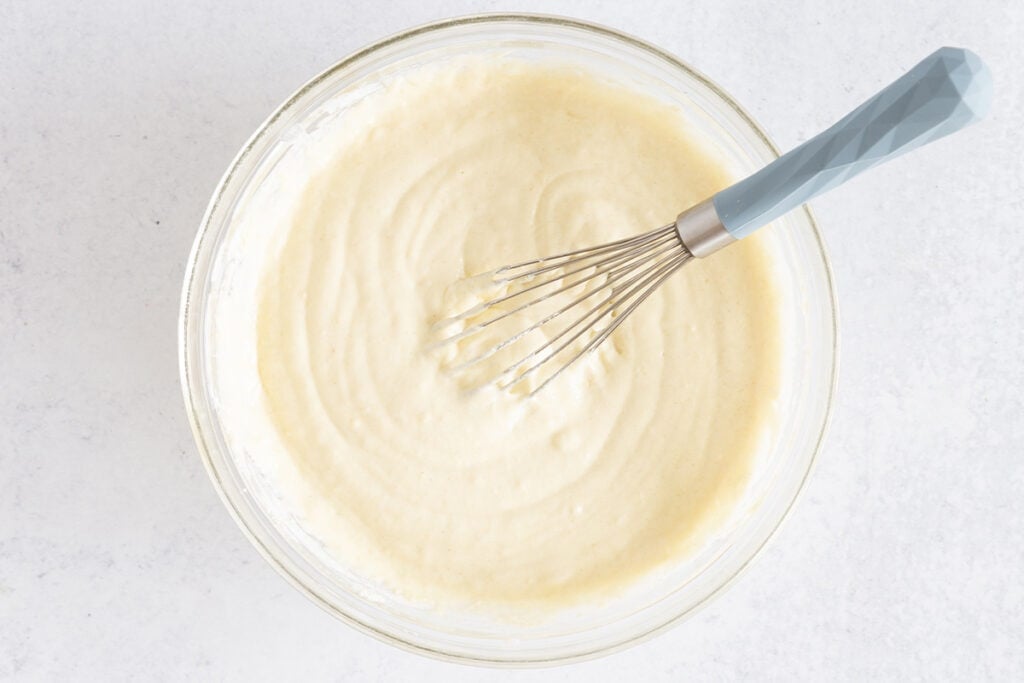
The process begins with the integration of three-quarters of a cup of Greek yogurt, a quarter-cup of milk, two large eggs, and melted butter. This stage is critical for creating a stable emulsion. The Greek yogurt provides the necessary acidity to eventually react with the leavening agents, while the eggs provide structural protein and fats that ensure a tender crumb. Whisking these components until smooth ensures that the protein in the yogurt is evenly distributed, preventing "clumping" during the subsequent stages.
Phase 2: Incorporation of Dry Matter
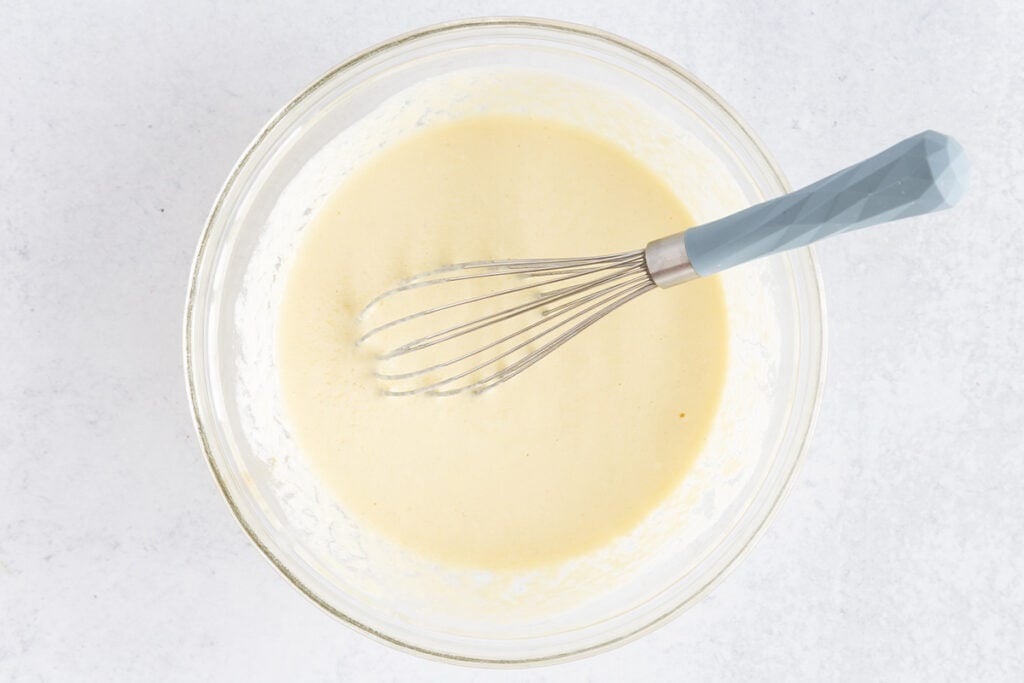
Following the wet mixture, the dry ingredients—flour, a controlled amount of sugar, baking powder, and a pinch of salt—are introduced. In a professional culinary context, this is where the "folding" or "gentle whisking" technique is paramount. Over-mixing at this stage can lead to excessive gluten development, resulting in a rubbery texture rather than the desired fluffiness. The baking powder reacts immediately with the lactic acid in the Greek yogurt, creating carbon dioxide bubbles that remain trapped within the viscous batter.
Phase 3: Thermal Application and Surface Tension
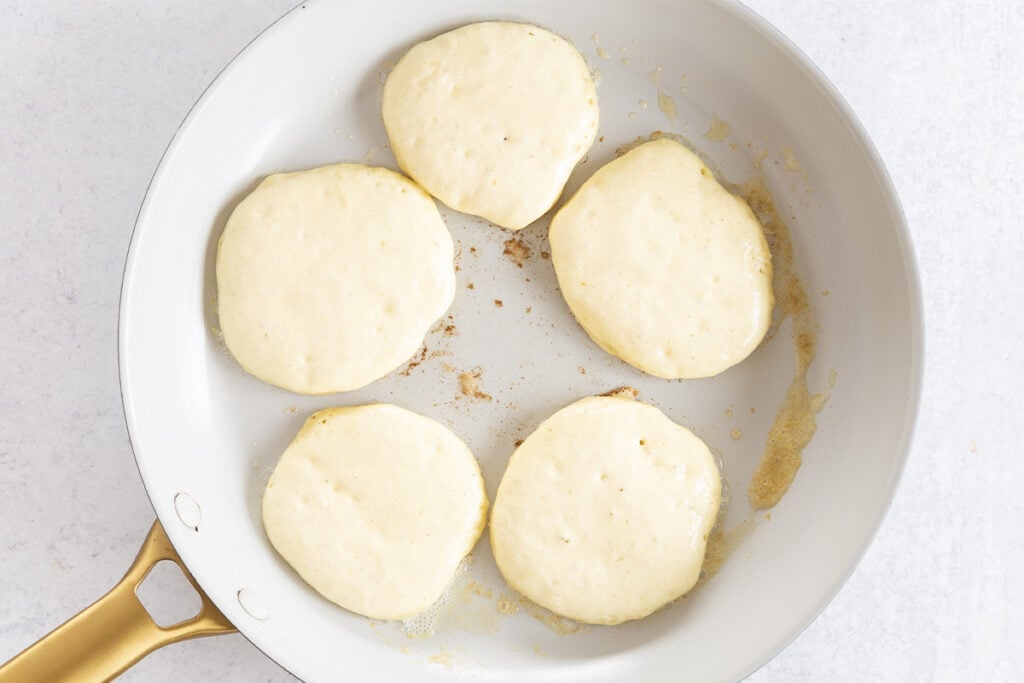
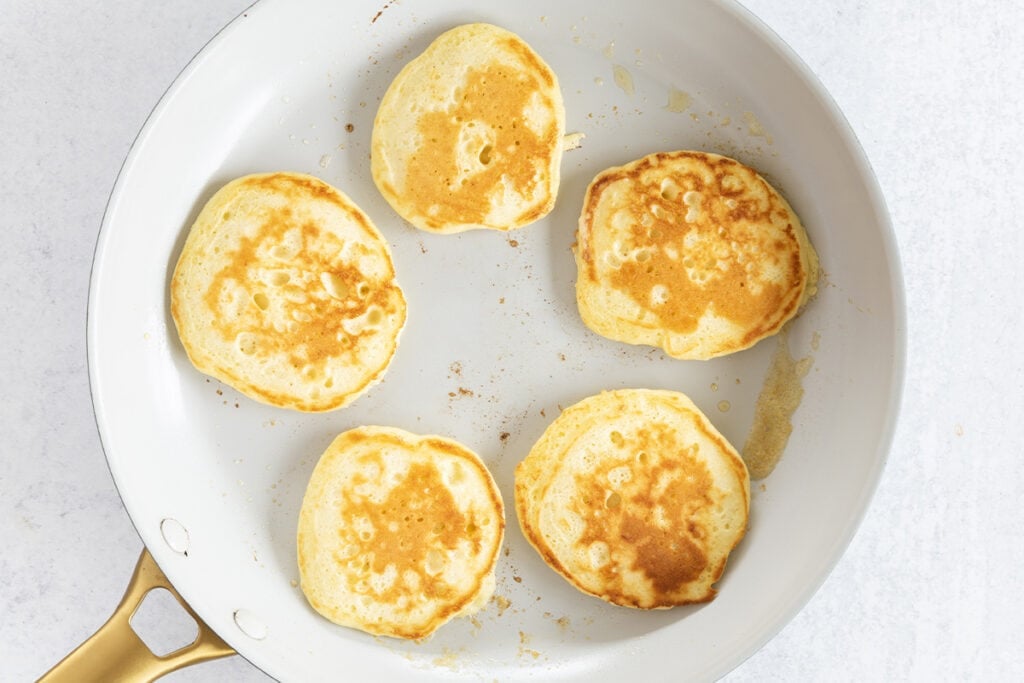
The cooking process requires a nonstick surface maintained at a steady medium heat. The application of butter to the skillet serves both as a lubricant and a flavor enhancer through the Maillard reaction. Observations of the batter during this phase reveal the "bubble set" phenomenon; once bubbles form on the surface and the edges lose their sheen, the pancake has achieved sufficient structural integrity to be flipped. This typically occurs within two to three minutes of contact with the heat source.
Nutritional Analysis and Supporting Data
Quantitative data regarding the Greek Yogurt Pancake recipe highlights its superiority as a balanced meal. Based on a standard four-serving yield, the nutritional breakdown is as follows:
- Caloric Intake: 240 kcal per serving
- Protein Content: 10g
- Total Carbohydrates: 30g
- Fat Profile: 9g total (5g saturated, 2g monounsaturated, 1g polyunsaturated)
- Micronutrients: 197mg Calcium (approx. 20% of the Recommended Dietary Allowance), 2mg Iron, and 320IU Vitamin A.
Comparative analysis shows that a standard "box mix" pancake typically contains only 3 to 5 grams of protein and significantly higher levels of sodium and preservatives. The 409mg of sodium in the Greek yogurt version is largely derived from the baking powder and a small addition of salt, which are necessary for the chemical leavening process and flavor balancing. Furthermore, the inclusion of 1 gram of fiber—which can be increased by using whole-wheat flour or adding fresh fruit—contributes to digestive health.
Consumer Feedback and Market Reception
The reception of this recipe within the domestic sphere has been overwhelmingly positive, particularly among demographics tasked with managing "picky eaters" or toddlers. Consumer testimonials often highlight the versatility of the batter. For instance, Meaghan, a frequent preparer of the dish, noted, "I’ve made these pancakes a few times now, and each time they have turned out great! So light, fluffy, and delicious! This is now my favorite pancake recipe."
This sentiment is echoed by pediatric nutrition experts who suggest that the inclusion of Greek yogurt is an effective "stealth health" strategy. By embedding high-quality protein and calcium into a familiar and beloved format, parents can ensure nutritional compliance without the mealtime power struggles often associated with direct yogurt consumption or egg-based dishes.
Versatility and Customization: A Culinary Framework
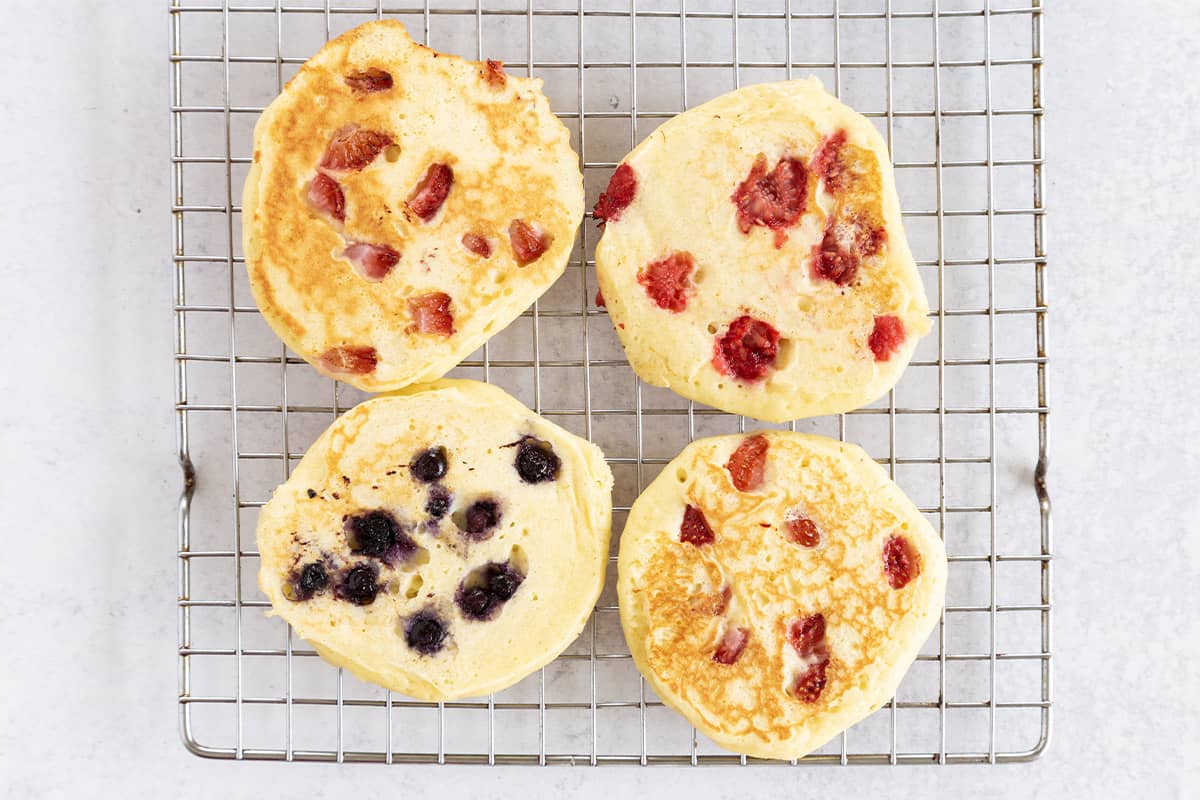
The Greek yogurt pancake serves as a foundational "mother recipe" that allows for extensive modification based on seasonal availability and dietary requirements. Culinary analysts suggest several high-value additions that do not compromise the structural integrity of the batter:
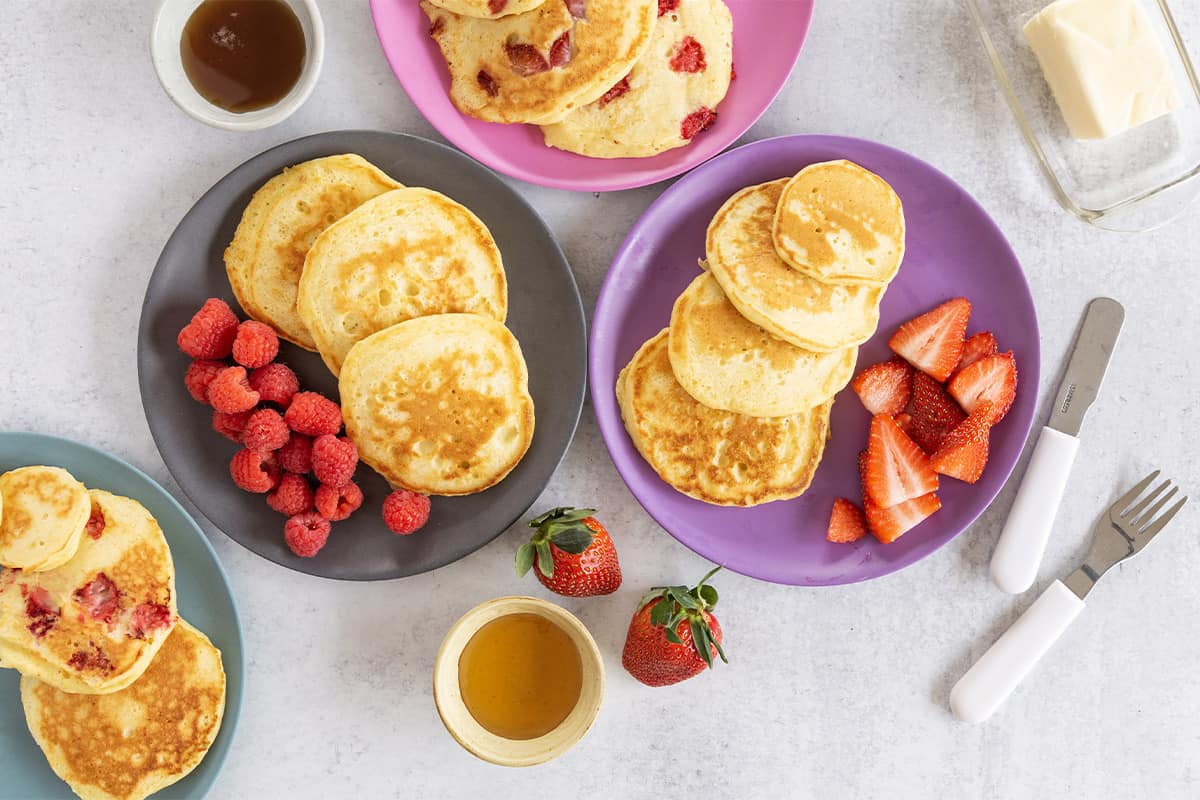
- Fruit Integration: Diced strawberries, fresh blueberries, and halved raspberries are recommended for their antioxidant properties and natural sweetness.
- Fiber Enhancements: Shredded apples or mashed bananas can be folded into the batter to increase moisture and dietary fiber.
- Alternative Toppings: While maple syrup remains the traditional choice, the professional recommendation for a lower-glycemic index meal includes nut or seed butters, fruit purees, or unsweetened applesauce.
Storage, Sustainability, and Long-Term Utility
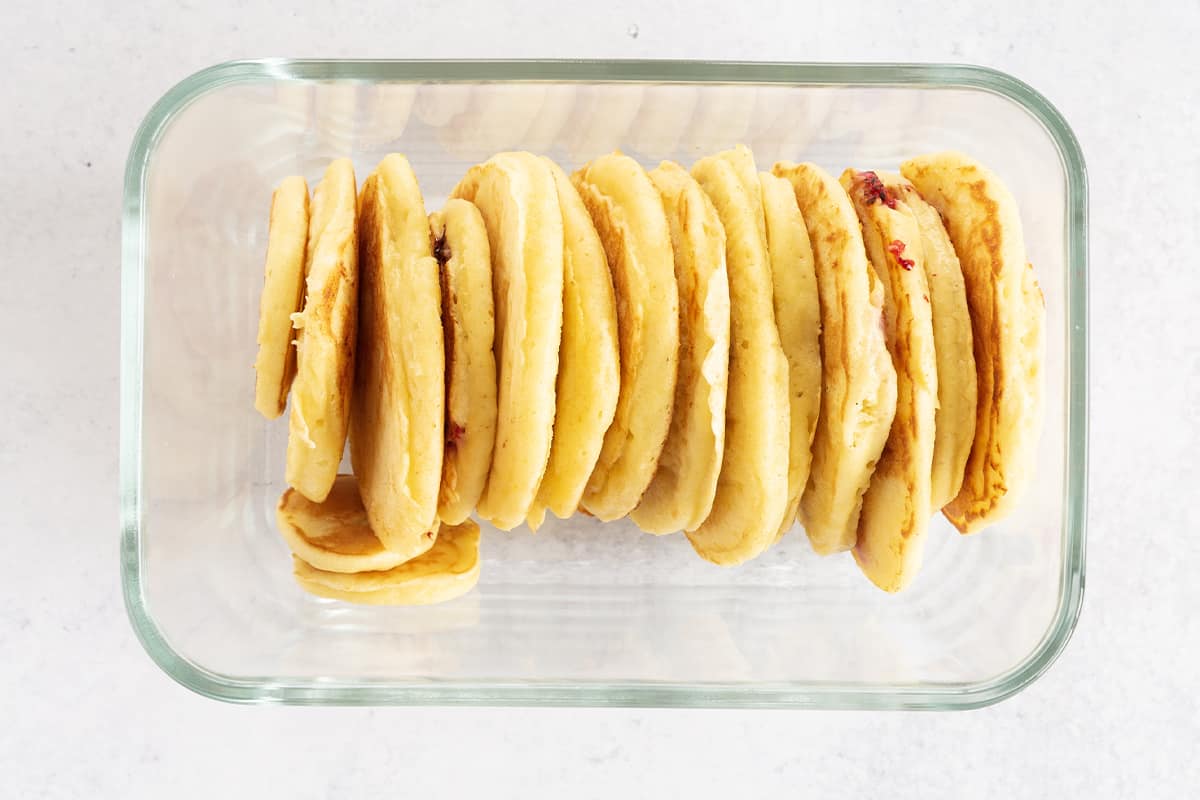
In the context of modern household management, the ability to "meal prep" is a significant factor in a recipe’s viability. Greek yogurt pancakes demonstrate high stability under refrigeration and freezing. They can be stored in an airtight container for three to five days or frozen for up to three months. The use of parchment paper between layers prevents adhesion, allowing for individual portions to be reheated in a microwave or toaster oven. This convenience factor reduces food waste and ensures that a nutritious breakfast is available even on high-velocity weekday mornings.
Broader Impact and Implications for Public Health
The promotion of recipes like the Greek Yogurt Pancake aligns with global health initiatives aimed at reducing the consumption of ultra-processed foods (UPFs). By providing a simple, accessible method for creating a "whole-food" breakfast from scratch using affordable staples like flour, eggs, and yogurt, this culinary trend empowers consumers to take control of their nutritional intake.
Furthermore, the emphasis on protein at breakfast has been linked in clinical studies to improved concentration in school-aged children and better weight management in adults. The satiety provided by the 10 grams of protein and the fats in the Greek yogurt prevents mid-morning hunger pangs, thereby reducing the likelihood of snacking on high-calorie, low-nutrient convenience foods later in the day.
In conclusion, the Greek Yogurt Pancake represents more than just a successful breakfast dish; it is a testament to the efficacy of functional cooking. By understanding the science of the ingredients and the needs of the modern consumer, this recipe provides a blueprint for healthy, sustainable, and enjoyable eating that bridges the gap between traditional comfort food and contemporary nutritional science. As families continue to seek out ways to optimize their health without sacrificing flavor, the Greek yogurt-based approach is likely to remain a permanent fixture in the global breakfast repertoire.
