

The demographic shift towards increased longevity and delayed parenthood has given rise to a significant societal phenomenon: the "Sandwich Generation." This term describes adults, typically in their 30s to 60s, who are simultaneously caring for their aging parents and their own dependent children. These individuals often find themselves stretched thin, managing the multifaceted demands of elder care, child-rearing, professional responsibilities, and personal well-being. The emotional, physical, and financial toll on this demographic is substantial, underscoring a growing public health and socio-economic challenge.
A Poignant Illustration of Generational Caregiving
The experience of Marissa Bader, a writer and mother of three young children, offers a vivid and deeply personal insight into the realities of the Sandwich Generation. Bader’s journey into intense caregiving began in 2019 when her mother, living alone, received a diagnosis of Myelodysplastic Syndrome (MDS), a form of blood cancer. This initial health crisis rapidly exposed underlying cognitive decline, transforming Bader’s role from concerned daughter to primary health advocate and care coordinator, all while actively raising her then 7-year-old and 4-year-old twins.
Bader’s initial shock upon discovering her mother’s disorganization regarding her medical care – unable to recall her primary physician and naming a doctor she hadn’t seen since Bader’s childhood – marked a critical turning point. It necessitated Bader’s immediate and comprehensive intervention. She meticulously reconstructed her mother’s medical history, mapping out doctors and facilities visited over five years, a task that consumed an entire day. This intricate detective work highlighted the immediate need for familial oversight in complex elder care scenarios, particularly when cognitive impairments begin to manifest. The subsequent commitment by Bader and her four older siblings to accompany their mother to all future appointments underscored a collective realization: their mother required not just emotional support, but active cognitive assistance in understanding and retaining crucial medical information.
Defining the Sandwich Generation: Demographics and Trends
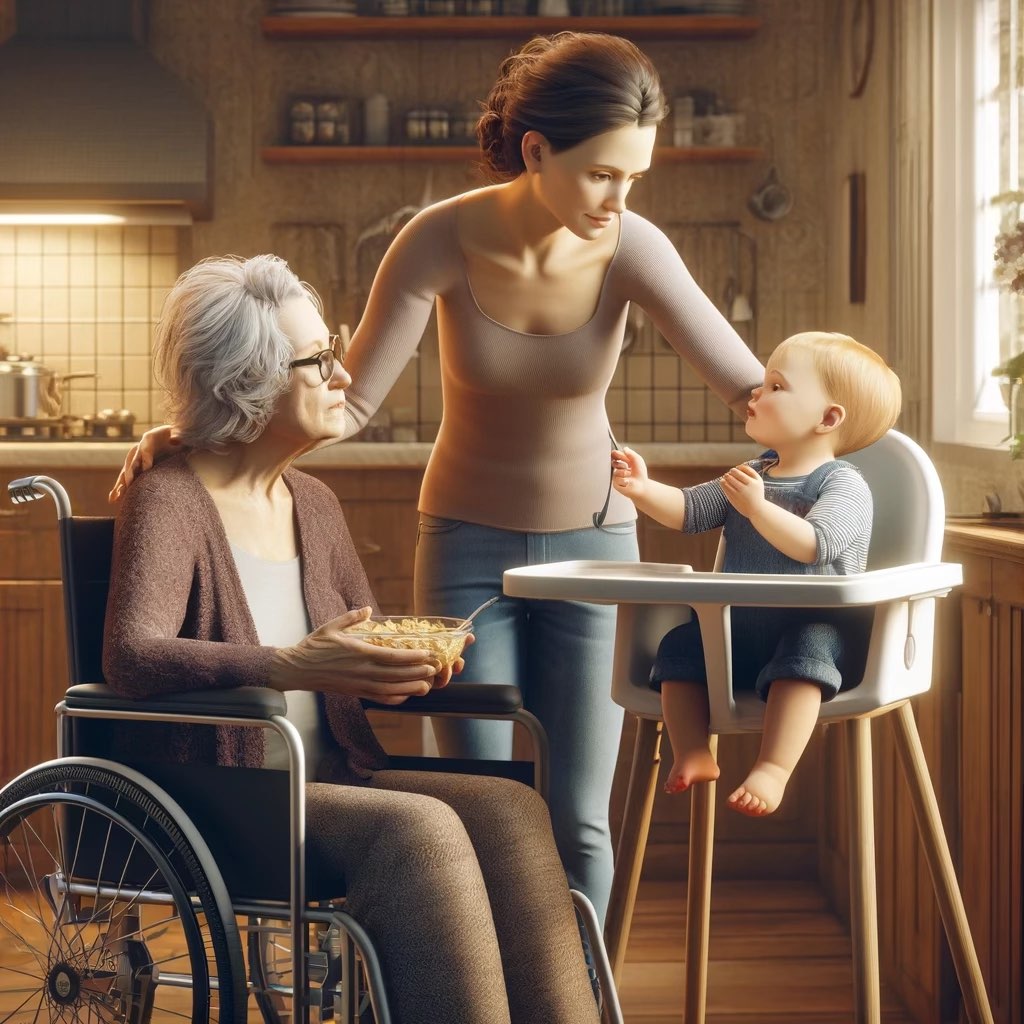
The "Sandwich Generation" is not a static group but a growing segment of the population. According to a 2023 report by the Pew Research Center, approximately one in five U.S. adults (19%) have provided financial support to both an aging parent and a child in the past year. Furthermore, a 2021 study by the National Alliance for Caregiving and AARP revealed that over 53 million Americans are unpaid family caregivers, with a significant portion (around 11 million) falling into the Sandwich Generation category. These caregivers are often women, though the number of men taking on caregiving roles is increasing. Their median age typically ranges from 40 to 59 years old, placing them at a peak period for career advancement and family responsibilities.
Several factors contribute to the expansion of this demographic. Firstly, increased life expectancy means parents are living longer, often into their 80s and 90s, potentially requiring extended periods of care. Secondly, many adults are delaying parenthood, leading to situations where their children are still young and dependent when their parents begin needing significant assistance. Thirdly, economic pressures, including rising healthcare costs and the prohibitive expense of professional elder care, compel families to provide care themselves. This creates a complex web of obligations, often with profound personal and societal implications.
The Dual Medical Battle: Cancer and Cognitive Decline
Marissa Bader’s mother’s health trajectory exemplifies the compounding challenges faced by many families. The initial diagnosis of Myelodysplastic Syndrome (MDS) presented an immediate life-threatening crisis. MDS is a group of cancers in which the bone marrow does not produce enough healthy blood cells, often progressing to Acute Myeloid Leukemia (AML) if untreated. Dr. Warlick, her oncologist, delivered the stark prognosis: three years or less without intervention. The decision to pursue aggressive chemotherapy, despite the mother’s age and history as a lifelong smoker, led to a miraculous, albeit temporary, remission. This period of respite from cancer, however, brought into sharper focus another insidious and equally terrifying foe: progressive cognitive decline.
The subtle onset of dementia, marked by forgetfulness, confusion, paranoia, and a noticeable decline in personal habits – particularly shocking given her mother’s lifelong meticulousness – underscored a deepening crisis. Bader’s mother’s own admission of mental decline provided an opening for a crucial conversation. This led to an appointment with a geriatrician specializing in Alzheimer’s and dementia. The diagnosis of early-stage dementia, while anticipated, was a devastating blow, triggering an intense period of emotional processing and practical planning for an uncertain future. This included establishing Powers of Attorney (POA) and advanced directives, essential legal steps for managing a parent’s affairs as their cognitive abilities diminish.
The Unrelenting Strain: Emotional and Logistical Burdens
Caregiving for both children and an elderly parent is an inherently demanding endeavor that places immense strain on an individual’s mental, emotional, and physical reserves. The narrative from Bader highlights the pervasive feeling of being "completely overwhelmed." The constant "churning with fears, thoughts, and tasks" related to both her mother and her children led to a persistent sense of "dropping the ball somewhere," whether it was missing school events, rescheduling critical medical appointments, or struggling to meet work deadlines. This state of perpetual self-sacrifice, described as "pouring everything, all the time, from an empty cup," is a common experience among members of the Sandwich Generation. Research consistently points to higher rates of stress, anxiety, depression, and physical health issues among caregivers compared to non-caregivers. The financial burden can also be significant, with many caregivers reducing work hours or leaving jobs entirely, impacting their own financial security and retirement savings.
The logistical challenges are equally formidable. Managing multiple medical appointments for both children (pediatricians, specialists) and parents (oncologists, geriatricians, physical therapists), coordinating medications, handling insurance claims, and navigating complex healthcare systems are time-consuming and mentally exhausting. Furthermore, the emotional weight of witnessing a parent’s decline, particularly a parent who was once vibrant and independent, can lead to profound grief and guilt. Bader’s feeling of "betraying" her mother by moving her into memory care, despite it being the necessary decision for her safety, is a testament to this deep emotional conflict.
Navigating Critical Transitions: From Home to Memory Care
A critical turning point in Bader’s mother’s care came with a fall that resulted in a broken hip. For the elderly, a hip fracture is often a catastrophic event, frequently leading to a rapid decline in overall health and cognitive function. This incident, combined with the subsequent hospital stay, surgery, new medications, and disruption of routine, dramatically accelerated her dementia. Within a week, her condition deteriorated by what Bader describes as "10 years." This rapid decline necessitated an immediate and difficult decision regarding long-term care.
The choice between 24/7 in-home care – often prohibitively expensive and difficult to staff – and a memory care facility became inevitable. The process of researching and touring facilities, while fraught with stress and sadness, ultimately led to the decision to move her mother into memory care. This transition, involving packing her belongings, completing extensive paperwork, and managing her mother’s distress and confusion, exemplified the profound practical and emotional challenges faced by families at this juncture. The decision to initially frame the move as a temporary rehabilitation stay, while difficult for Bader, was a common strategy employed by families to ease the transition for individuals with dementia who might resist such changes.
The Search for the Right Fit and Self-Care Strategies
The initial memory care facility proved unsuitable, highlighting another critical aspect of elder care: finding the right environment. After approximately eight months, Bader and her siblings moved their mother to a new facility, described as a "lovely home with fewer residents and more of a community feel." This second transition, remarkably smoother, underscored the importance of environment and personalized care in promoting well-being for individuals with dementia. In this new setting, Bader’s mother began to thrive, experiencing increased socialization, good nutrition, and general contentment, demonstrating that even in the face of worsening dementia, a supportive and appropriate care environment can significantly enhance quality of life.
For caregivers like Bader, developing coping mechanisms and self-care strategies is paramount to avoid burnout. Her husband’s simple yet profound advice, "One foot in front of the other," encapsulates the daily resilience required. While the original article’s specific bullet points on self-care are personal, general strategies for the Sandwich Generation include:
- Building a Support Network: Engaging siblings, spouses, and friends to share caregiving responsibilities and emotional burdens.
- Seeking Professional Help: Utilizing professional geriatric care managers, therapists, or support groups to navigate complex decisions and process emotions.
- Prioritizing Self-Care: Scheduling dedicated time for personal activities, exercise, and rest to replenish depleted reserves.
- Setting Boundaries: Learning to say no to additional commitments and delegating tasks when possible.
- Accepting Imperfection: Recognizing that it’s impossible to do everything perfectly and granting oneself grace.
- Utilizing Technology: Employing apps or services for medication reminders, communication with care teams, or scheduling.
Broader Implications and the Path Forward
The increasing prevalence of the Sandwich Generation presents significant challenges not only for individual families but for society at large. It highlights the urgent need for enhanced support systems, including affordable and accessible elder care options, flexible work policies for caregivers, and robust community resources. Public awareness campaigns can help destigmatize dementia and other age-related conditions, encouraging earlier diagnosis and intervention. Furthermore, policies that provide financial relief, such as tax credits for caregivers or subsidies for professional care, could alleviate some of the economic strain.
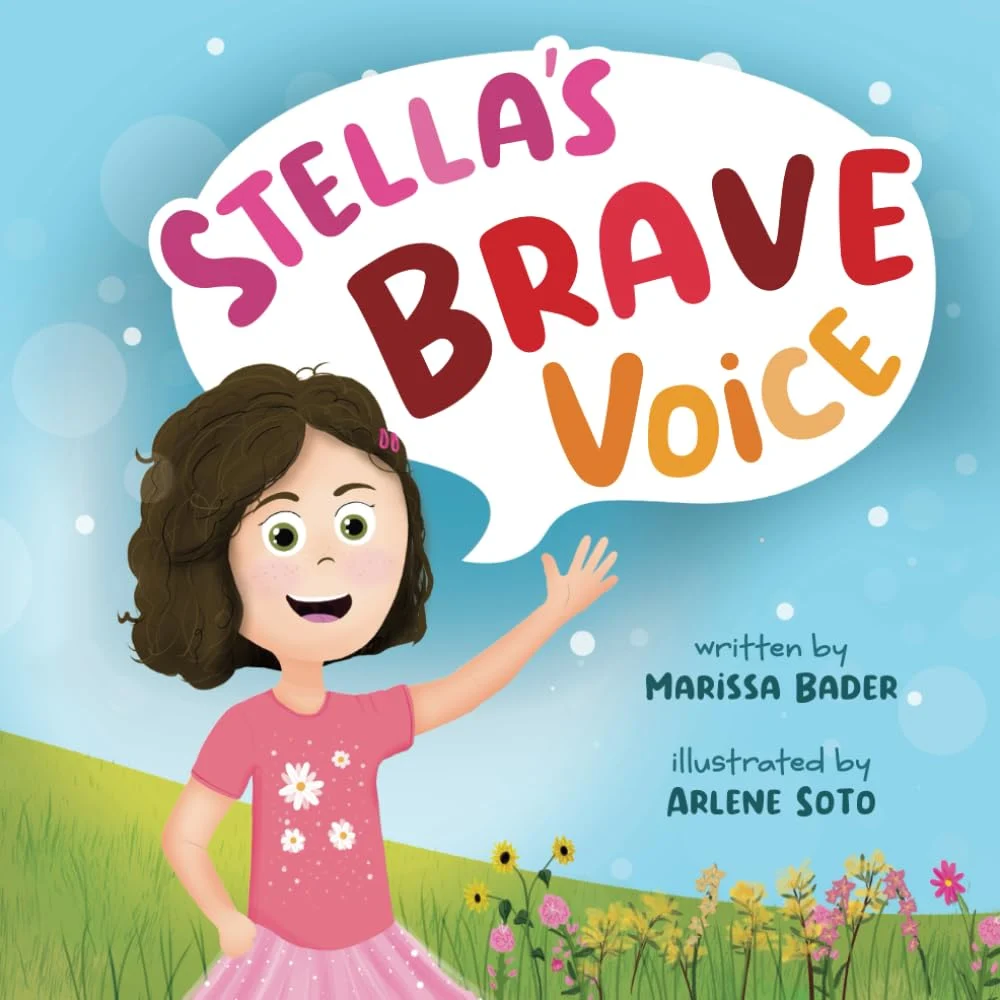
Marissa Bader’s poignant account, shared through her writing, serves as a testament to the profound love and dedication inherent in caregiving, even amidst immense difficulty. Her journey, like that of countless others in the Sandwich Generation, is one of constant adaptation, emotional resilience, and an unwavering commitment to family. While the path is undoubtedly challenging, the ability to provide comfort and care for an aging parent, just as they once provided for their children, offers a unique and deeply fulfilling connection, affirming that some bonds, like the shared joy of music, can transcend even the deepest cognitive decline. Bader, now an author of children’s books, including The Only Me, Stella’s Brave Voice, and Petunia the Perfectionist, continues to share her experiences, advocating for and connecting with others navigating similar complex caregiving roles. Her narrative underscores that while the "sandwich" may be hefty and multilayered, it is also filled with profound moments of connection, gratitude, and enduring love.
