


Coping with the persistent inability to conceive can be one of the most profoundly distressing life crises for couples, casting a long shadow over their aspirations for parenthood. The journey, often fraught with repeated disappointments and the specter of "still not pregnant," can evoke deep feelings of loss, grief, and isolation. When efforts to conceive naturally extend beyond a reasonable timeframe, typically defined as one year of unprotected intercourse for women under 35, or six months for those 35 and older, medical professionals begin to consider the possibility of infertility. This diagnosis, far from being an end, marks the beginning of a complex but often hopeful path toward understanding and potential resolution, necessitating comprehensive support systems and informed decision-making.
Understanding Infertility: A Medical Definition and Global Challenge
Infertility is medically defined as the inability to achieve pregnancy after a specified period of regular, unprotected sexual intercourse. This definition is critical because it establishes a clinical threshold for when couples should seek medical evaluation, moving beyond mere difficulty to a potential medical condition. Globally, infertility is a widespread health concern, affecting millions of individuals and couples. According to the World Health Organization (WHO), an estimated 1 in 6 people worldwide experience infertility in their lifetime, highlighting its universal prevalence. This statistic underscores that it is not a niche issue but a significant public health challenge with profound personal and societal implications. The condition can stem from a multitude of factors affecting either partner, or a combination of both, and in some cases, no clear cause can be identified, leading to a diagnosis of unexplained infertility. Understanding the scope and definition of infertility is the first crucial step in addressing it effectively.

The Emotional and Psychological Landscape of Infertility
The emotional toll of infertility is often underestimated and can be as devastating as the physical challenges. Couples embarking on the journey to conceive often envision a straightforward path, only to be met with repeated monthly disappointments. This cycle of hope and despair can lead to significant psychological distress, including anxiety, depression, anger, guilt, and feelings of inadequacy. The persistent question, "Why not us?" can erode self-esteem and create a pervasive sense of loss—not just of a potential child, but of anticipated experiences, family identity, and even personal control. Research indicates that the psychological impact of infertility can be comparable to that of other severe medical conditions, with women often reporting higher levels of distress than men, though both partners are significantly affected. Relationships can also be strained under the immense pressure, as partners may cope differently, leading to misunderstandings or feelings of isolation even within the relationship. The societal expectation to have children can exacerbate these feelings, with couples often feeling compelled to keep their struggles private, further contributing to their isolation. Therefore, recognizing and addressing the emotional and psychological dimensions of infertility is paramount, often requiring professional counseling and robust support networks from loved ones.
When to Seek Professional Help: A Crucial Timeline
For couples navigating the challenges of conception, knowing when to seek professional medical advice is a critical juncture. The American Society for Reproductive Medicine (ASRM) provides clear guidelines based on age and medical history. Generally, a couple should consult a fertility specialist if pregnancy has not occurred after one year of regular, unprotected sexual intercourse. This timeframe is shortened to six months for women aged 35 or older, as female fertility naturally declines more rapidly after this age. Furthermore, immediate evaluation is recommended for individuals with known risk factors for infertility, such as irregular or absent menstrual cycles, a history of pelvic inflammatory disease (PID), endometriosis, prior abdominal surgery, or for men, a history of testicular trauma, surgery, or specific infections like mumps in adulthood. These guidelines are not arbitrary; they are based on clinical evidence that prompt intervention can significantly improve outcomes. Early consultation allows for timely diagnosis and initiation of appropriate treatments, potentially mitigating further emotional distress and optimizing the chances of conception. A general practitioner is often the first point of contact, who can then provide referrals to reproductive endocrinologists or urologists specializing in fertility.

Diagnostic Pathways: Uncovering the Causes of Infertility
The diagnostic process for infertility is systematic and aims to identify underlying causes in both partners. It typically involves a series of tests to assess reproductive health and function.
Female Factor Infertility Diagnostics
For women, investigations often begin with a detailed medical history and physical examination. Key diagnostic steps include:

- Hormone Level Testing: Blood tests measure various hormones throughout the menstrual cycle. Follicle-Stimulating Hormone (FSH) and Luteinizing Hormone (LH) assess ovarian function and egg supply. Anti-Müllerian Hormone (AMH) provides an indication of ovarian reserve, reflecting the number of remaining eggs. Thyroid-stimulating hormone (TSH) and prolactin levels are also checked, as imbalances can affect ovulation.
- Ovulation Assessment: Tracking basal body temperature, ovulation predictor kits, and regular ultrasound monitoring can confirm ovulation.
- Imaging Studies:
- Transvaginal Ultrasound: Used to visualize the uterus, fallopian tubes, and ovaries, checking for structural abnormalities like uterine fibroids, polyps, ovarian cysts, or signs of polycystic ovary syndrome (PCOS).
- Hysterosalpingogram (HSG): An X-ray procedure where dye is injected into the uterus and fallopian tubes to check for blockages or structural abnormalities that could prevent egg transport or implantation.
- Sonohysterogram (Saline Infusion Sonography): Uses saline to distend the uterus, allowing for better visualization of the uterine cavity via ultrasound, identifying polyps or fibroids.
- Laparoscopy: A minimally invasive surgical procedure, typically reserved for cases where other tests are inconclusive or when conditions like endometriosis or pelvic adhesions are suspected. It allows direct visualization and often treatment of these issues.
Common causes of female infertility include ovulatory disorders (such as PCOS, anovulation), tubal factors (blocked or damaged fallopian tubes often due to pelvic inflammatory disease or endometriosis), uterine abnormalities (fibroids, polyps, structural defects), and diminished ovarian reserve, primarily due to age.
Male Factor Infertility Diagnostics
Historically, the focus of infertility investigations often rested solely on the female partner. However, it is now well-established that male factor issues contribute to approximately 30-50% of infertility cases. The diagnostic process for men is typically less invasive and centers around:

- Semen Analysis: This is the cornerstone of male fertility evaluation. It assesses several key parameters of ejaculate, including:
- Sperm Count: The concentration of sperm per milliliter of semen. A low count (oligospermia) can significantly reduce fertility.
- Sperm Motility: The percentage of sperm that are moving and their quality of movement. Poor motility (asthenospermia) means sperm may struggle to reach and fertilize an egg.
- Sperm Morphology: The percentage of sperm that have a normal shape. Abnormal morphology (teratospermia) can impair a sperm’s ability to penetrate the egg.
- Semen Volume and pH: Other factors that can affect sperm viability and transport.
- Hormonal Evaluation: Blood tests to measure levels of testosterone, FSH, LH, and prolactin, as imbalances can affect sperm production.
- Genetic Testing: Karyotyping or Y-chromosome microdeletion analysis may be performed if severe sperm abnormalities are present, as genetic issues can cause azoospermia (absence of sperm) or severe oligospermia.
- Imaging: Scrotal ultrasound can identify conditions like varicoceles (enlarged veins in the scrotum that can affect sperm quality) or obstructions in the reproductive tract.
- Post-Ejaculatory Urinalysis: Checks for retrograde ejaculation, where semen flows backward into the bladder.
Causes of male infertility range from issues with sperm production (due to hormonal imbalances, genetic defects, or environmental factors), blockages in the reproductive tract, anatomical problems like varicoceles, or lifestyle factors such as smoking, excessive alcohol consumption, and exposure to certain toxins or heat.
Unexplained Infertility
Despite thorough investigations, approximately 10-15% of couples receive a diagnosis of "unexplained infertility." This diagnosis, while frustrating, does not mean there is no issue, but rather that current diagnostic tools cannot pinpoint a specific cause. It is theorized that subtle problems with egg quality, sperm function, fertilization, or embryo implantation that are not detectable by standard tests may be at play. Couples with unexplained infertility may still benefit from various fertility treatments.

Advancements in Fertility Treatments: Options and Efficacy
Once a diagnosis is made, or in cases of unexplained infertility, a range of treatment options become available, from lifestyle adjustments to advanced reproductive technologies.
Lifestyle Modifications and Basic Interventions
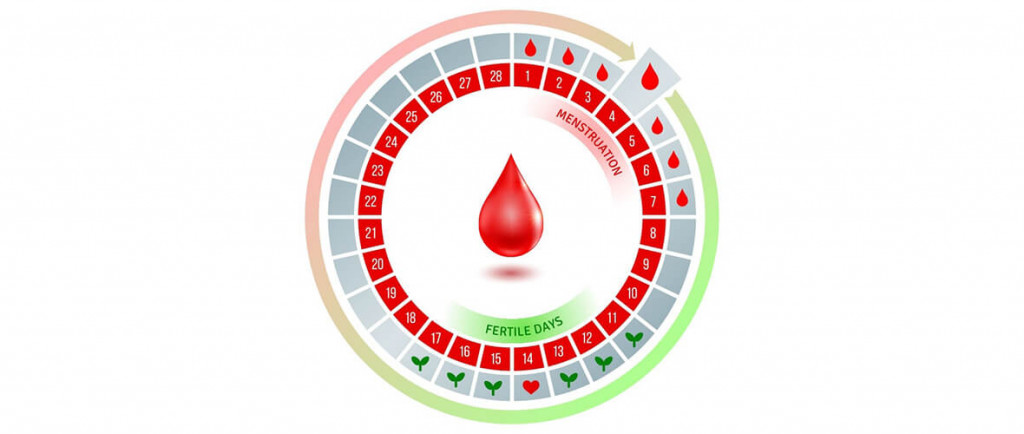
Before or alongside medical treatments, lifestyle factors are often addressed. Optimizing diet, maintaining a healthy weight, regular exercise, reducing stress, and eliminating harmful habits like smoking and excessive alcohol consumption can significantly improve fertility outcomes for both men and women. For some couples, simply understanding the timing of ovulation and optimizing intercourse around the fertile window can be sufficient.

Medications for Ovulation Induction
For women with ovulatory disorders, medications are often the first line of treatment.
- Clomiphene Citrate (Clomid) and Letrozole: These oral medications stimulate the pituitary gland to release more FSH and LH, prompting the ovaries to produce and release eggs. They are effective for many women with PCOS or irregular ovulation.
- Gonadotropins: Injectable hormones (FSH, LH, or a combination) directly stimulate the ovaries to produce multiple eggs. These are more potent and typically used when oral medications are ineffective or for preparing for advanced treatments like IUI or IVF.
Intrauterine Insemination (IUI)
IUI is a less invasive procedure often used for mild male factor infertility, unexplained infertility, or when using donor sperm. In this procedure, specially prepared sperm (washed and concentrated) are directly inserted into the woman’s uterus around the time of ovulation. This bypasses the cervix, increasing the number of sperm that reach the fallopian tubes, thereby enhancing the chances of fertilization. Success rates for IUI typically range from 5-20% per cycle, depending on the couple’s age and specific diagnosis, and often decrease with each subsequent cycle.

In Vitro Fertilization (IVF)
IVF is the most effective and widely utilized assisted reproductive technology (ART) for various infertility diagnoses, including severe male factor infertility, tubal factor infertility, endometriosis, ovulatory disorders, and unexplained infertility. The process involves:
- Ovarian Stimulation: Injectable hormones stimulate the ovaries to produce multiple eggs.
- Egg Retrieval: Eggs are surgically retrieved from the ovaries under ultrasound guidance.
- Fertilization: Eggs are fertilized with sperm in a laboratory dish. This can be conventional IVF or Intracytoplasmic Sperm Injection (ICSI), where a single sperm is injected directly into each egg, particularly useful for male factor infertility.
- Embryo Culture: Embryos are cultured for several days, allowing them to develop.
- Embryo Transfer: One or more selected embryos are transferred into the woman’s uterus.
- Luteal Phase Support: Hormones are given to support the uterine lining for implantation.
Success rates for IVF vary significantly with age. For women under 35, the live birth rate per IVF cycle can be around 40-45%, decreasing to 5-10% for women over 42. IVF has revolutionized infertility treatment, offering hope to many who previously had no options. Related technologies like Preimplantation Genetic Testing (PGT) can screen embryos for chromosomal abnormalities or specific genetic diseases before transfer, improving success rates and reducing the risk of miscarriage or passing on genetic conditions.
Third-Party Reproduction
For couples where one or both partners cannot produce viable gametes, or for single individuals or same-sex couples, third-party reproduction offers pathways to parenthood:
- Donor Eggs: Used when a woman’s eggs are not viable (e.g., due to age, premature ovarian failure).
- Donor Sperm: Used for male factor infertility, single women, or lesbian couples.
- Gestational Surrogacy: An arrangement where another woman carries the pregnancy to term for the intended parents, typically when the intended mother cannot carry a pregnancy due to medical reasons.
The Financial Burden and Accessibility of Care
While advancements in fertility treatments offer immense hope, the financial burden associated with these procedures is a significant barrier for many. A single cycle of IVF in the United States, for example, can cost anywhere from $12,000 to $25,000, and often multiple cycles are required. This figure typically does not include medication costs, which can add several thousands of dollars more. IUI cycles are less expensive but still represent a considerable outlay. The lack of comprehensive insurance coverage for infertility treatments in many regions and countries further exacerbates this issue. While some states in the U.S. mandate infertility coverage, many do not, leading to significant disparities in access based on socioeconomic status and geographical location. This financial strain can compound the emotional stress of infertility, forcing couples to make difficult choices between pursuing treatment and other life priorities. Advocacy groups are actively working to expand insurance mandates and increase public funding for fertility care to make these life-changing treatments more accessible to all who need them.

The Role of Support and Advocacy
Navigating the complex and often emotionally draining landscape of infertility underscores the critical importance of robust support systems. Couples dealing with infertility often benefit immensely from professional counseling, which can help them process grief, manage anxiety, improve communication, and make informed decisions about treatment options. Support groups, whether in-person or online, provide a vital community where individuals can share experiences, receive empathy, and feel less alone in their struggle. Organizations like the American Pregnancy Association and RESOLVE (The National Infertility Association) play a pivotal role in this regard, offering resources, helplines, peer support networks, and educational materials. Beyond individual support, these advocacy groups are instrumental in raising public awareness, fighting for legislative changes to improve insurance coverage, and promoting ethical standards in fertility care. Their efforts help destigmatize infertility, ensuring that those affected feel empowered to seek help and find pathways to building their families.
Looking Ahead: Evolving Research and Future Prospects
The field of reproductive medicine is continuously evolving, with ongoing research promising even more effective and accessible treatments for infertility. Advances in genetics, for instance, are leading to a deeper understanding of the genetic underpinnings of infertility in both men and women, paving the way for targeted therapies. Artificial intelligence (AI) is beginning to play a role in optimizing embryo selection in IVF, potentially improving success rates. Research into regenerative medicine, including stem cell therapies, holds long-term promise for restoring fertility in individuals with severe reproductive damage. Furthermore, there is a growing emphasis on preventative measures, such as promoting reproductive health education and encouraging timely family planning. The increasing recognition of male factor infertility is leading to more focused research and development of diagnostic tools and treatments specifically for men. The future of infertility treatment is likely to involve a more personalized approach, leveraging genomic data and advanced diagnostics to tailor interventions to individual needs, ultimately offering greater hope and opportunities for couples striving to conceive.

The journey through infertility is undeniably challenging, marked by profound emotional highs and lows. However, with significant advancements in medical understanding and treatment options, combined with crucial emotional and practical support, the prospect of achieving parenthood remains a tangible reality for many. It is a testament to human resilience and the relentless pursuit of family that couples continue to navigate this complex path, supported by a growing network of medical professionals, advocates, and loved ones.
