

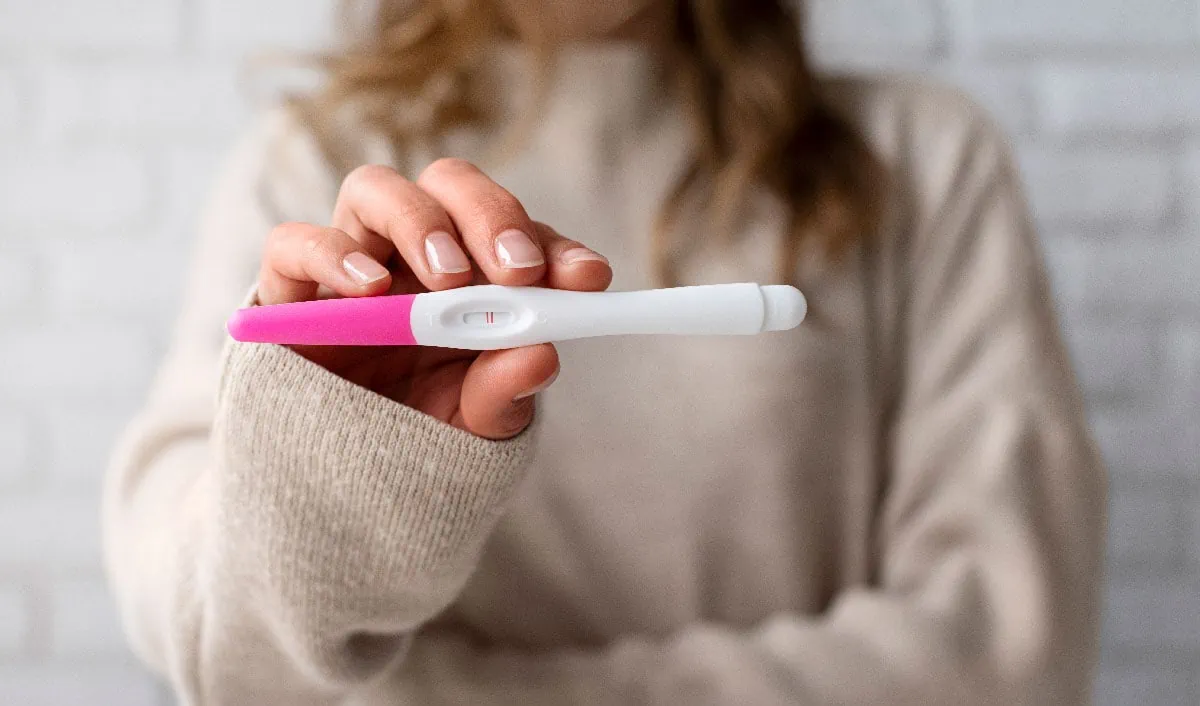
The journey to discovering pregnancy is often marked by anticipation, anxiety, or a mix of both. Whether grappling with the hopeful signs of breast tenderness and nausea, or hoping they are merely premenstrual syndrome (PMS) symptoms, the definitive answer typically lies in a pregnancy test. These diagnostic tools, readily available and increasingly sophisticated, offer a crucial first step in confirming or ruling out pregnancy, providing clarity when it matters most.
The Underlying Science: Human Chorionic Gonadotropin (hCG)

At the heart of every pregnancy test, regardless of its type, is the detection of human chorionic gonadotropin (hCG). Often referred to as "the pregnancy hormone," hCG is a glycoprotein hormone produced by the trophoblast cells, which eventually form the placenta, shortly after a fertilized egg implants into the uterine lining. This implantation typically occurs approximately 6 to 12 days after fertilization. The primary role of hCG is to sustain the corpus luteum, an endocrine structure in the ovary that produces progesterone, a hormone essential for maintaining the early stages of pregnancy and preventing the shedding of the uterine lining.
Once implantation occurs, hCG levels begin to rise rapidly, doubling approximately every 48 to 72 hours during the first trimester. This swift increase is what triggers many of the early pregnancy symptoms often experienced by women, such as nausea, breast tenderness, and fatigue. The concentration of hCG in the body is a critical indicator not only for confirming pregnancy but also, in clinical settings, for monitoring its progression and identifying potential complications. The sensitivity of a pregnancy test refers to the minimum concentration of hCG it can detect, typically measured in milli-international units per milliliter (mIU/mL). Tests with lower mIU/mL values are considered more sensitive and can potentially detect pregnancy earlier.
Understanding the Two Primary Test Types

There are two main categories of pregnancy tests: urine tests, predominantly used for at-home detection, and blood tests, typically administered in a clinical setting. Both methods aim to identify the presence of hCG, but they differ in sensitivity, speed, convenience, and the level of detail they provide.
Urine Tests: Convenience and Accessibility
Urine pregnancy tests, commonly known as home pregnancy tests (HPTs), are the most widely used method due to their accessibility, privacy, and ease of use. These tests can be performed in various ways: a stick can be dipped into a collected urine sample, urine can be applied to a special container using an eyedropper, or a test stick can be held directly in the urine stream (midstream collection).

HPTs are designed to react to the presence of hCG in the urine. The test usually involves a chemical strip impregnated with antibodies specific to hCG. When hCG is present, it binds to these antibodies, triggering a visible change, such as a color alteration, the appearance of a line, or a digital display showing "pregnant" or "not pregnant," or a plus/minus symbol.
Accuracy and Best Practices for Urine Tests:
When performed correctly, HPTs boast an accuracy rate of approximately 97%. However, this accuracy is highly dependent on proper usage and timing. Medical professionals and organizations like the American Pregnancy Association (APA) strongly recommend taking the test first thing in the morning with the first urination of the day. This is because hCG, if present, will be at its highest concentration in the morning urine, making it more likely to be detected, especially in the very early stages of pregnancy.

The advantages of HPTs are numerous: they are convenient, allowing for private testing in one’s own home; they are generally inexpensive; and they provide fast results, often within minutes. However, these benefits come with potential drawbacks. Incorrect usage, such as not following instructions precisely or reading the result outside the recommended timeframe, can lead to inaccurate outcomes. Taking the test too early, before hCG levels have built up sufficiently, is the most common reason for a false negative result. If a negative result is obtained but symptoms of pregnancy (such as a missed period, persistent nausea, breast tenderness, and unusual fatigue) continue, it is advisable to wait approximately one week and retest, or to consult a healthcare provider for a blood test. Many HPT kits include two tests, allowing for a re-test a few days later to confirm results.
Blood Tests: Precision and Early Detection
Blood tests for pregnancy are conducted in a clinical setting and are generally more sensitive and precise than urine tests. There are two primary types of blood pregnancy tests:

- Qualitative hCG Blood Test: This test simply detects the presence or absence of hCG in the blood, providing a "yes" or "no" answer regarding pregnancy. It is similar to a urine test in its binary outcome but can detect hCG at much lower levels.
- Quantitative hCG Blood Test (Beta-hCG Test): This test measures the exact amount of hCG in the blood, providing a numerical value. This detailed measurement is invaluable for healthcare providers as it allows them to track the rise in hCG levels over time. A healthy pregnancy typically shows a steady increase in hCG, while abnormal patterns (e.g., very low or slow-rising levels) can indicate potential issues such as an ectopic pregnancy, miscarriage, or gestational trophoblastic disease.
Advantages and Disadvantages of Blood Tests:
The main advantage of a blood test is its superior sensitivity, allowing for earlier detection of pregnancy—often as early as 6 to 8 days post-ovulation, even before a missed period. They are also highly accurate and less susceptible to user error than HPTs. The quantitative test provides critical information about the viability and progression of the pregnancy, which is particularly important for individuals with a history of miscarriage or those undergoing fertility treatments.
However, blood tests also have disadvantages. They are less convenient, requiring a visit to a clinic or laboratory for a blood draw, and the results are not immediate, often taking several hours to a day or two to process. They are also generally more invasive and more expensive than at-home urine tests. For these reasons, blood tests are typically reserved for situations where early or precise confirmation is medically necessary, or when urine test results are inconclusive or contradictory.

Optimal Timing for Taking a Pregnancy Test
The timing of a pregnancy test is paramount to its accuracy. While many at-home test kits claim to detect pregnancy as early as the first day of an expected period, the experience of nurses and pregnancy educators, including those at the American Pregnancy Association, suggests that testing within a day or two of a missed period can frequently yield an inaccurate negative result.
The APA recommends waiting until at least seven days after a missed period before taking a home pregnancy test. This recommendation is rooted in the physiological timeline of hCG production and the natural variability of menstrual cycles. A menstrual period can normally begin anywhere from seven days before to seven days after its expected due date and still fall within a "normal" timeframe. Waiting an additional week allows sufficient time for hCG to accumulate to detectable levels, especially for tests that may not be ultra-sensitive. Typically, hCG levels become robust enough for reliable detection by most HPTs around 11-12 days after ovulation, with most women experiencing their period around 14 days post-ovulation. Therefore, delaying the test provides a higher probability of an accurate result, minimizing the emotional stress and confusion that can arise from false negatives.

Interpreting Test Results and Next Steps
Receiving a pregnancy test result, whether positive or negative, marks a significant moment. Understanding what these results mean and what steps to take next is crucial.
If Your Test is Positive:

A positive result from a home pregnancy test indicates the presence of hCG in your system, which is a definitive sign of pregnancy. This hormone begins to develop and multiply once an egg has successfully implanted in the uterine lining.
If you receive a positive result, especially if the potential pregnancy is unplanned, it is natural to have many questions and concerns. Resources like the American Pregnancy Association offer confidential support and guidance. Their pregnancy educators can provide advice on available options, connect individuals with local pregnancy centers for free verification tests, and offer comprehensive resources and support. It is highly recommended to schedule an appointment with a healthcare provider to confirm the pregnancy, discuss prenatal care, and explore any necessary lifestyle adjustments.
If Your Test is Negative:

A negative result can mean one of three things: you are not pregnant, you took the test too early, or the test was performed incorrectly. Pregnancy tests vary in their sensitivity, and your body may not have produced enough hCG to be detected if the test was taken very early in pregnancy. Diluted urine can also lead to a false negative.
It is also important to adhere strictly to the instructions provided with the test kit. Reading a test result after the specified timeframe can render it invalid, sometimes leading to an "evaporation line" that can be mistaken for a faint positive. If you receive a negative result but still experience pregnancy symptoms or your period remains absent, retesting in a week is a sensible next step. If symptoms persist after a second negative test, consulting a doctor is advised to investigate other potential causes for your symptoms.
What if You Get Conflicting Results?

In instances where multiple home pregnancy tests yield different answers—for example, one positive and one negative—seeking professional medical advice is essential. A blood test performed by a healthcare provider offers the most accurate and definitive answer in such ambiguous situations.
Broader Implications and Support
The availability of accurate and accessible pregnancy tests has profoundly impacted reproductive health, empowering individuals to gain early insight into their pregnancy status. This early knowledge facilitates timely decision-making, whether it involves initiating prenatal care, considering reproductive options, or addressing potential health concerns.

Organizations like the American Pregnancy Association play a vital role in providing evidence-based information, validated by their content validation team (last revised March 1, 2026). They offer a lifeline of support, ensuring that individuals are never alone on their journey, providing free helplines, live chats, and extensive resources on all stages of pregnancy. This comprehensive support network underscores the importance of not just knowing your status, but also having the guidance and resources to navigate the path forward with confidence and informed choice.
