

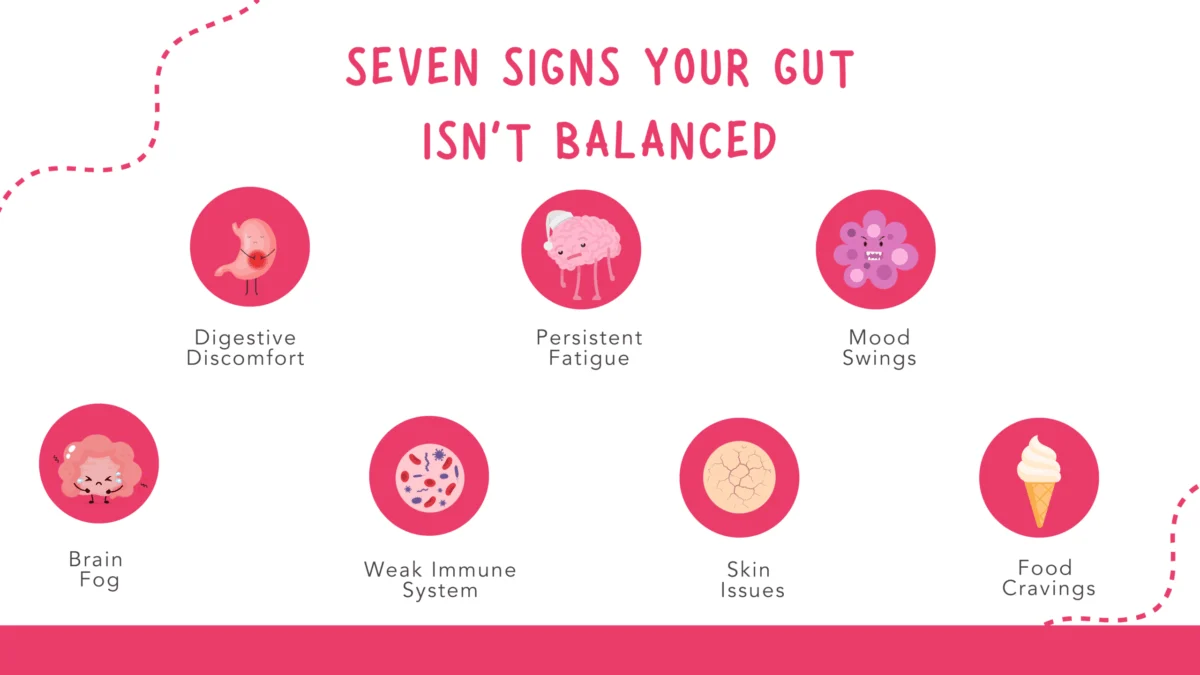
The human gastrointestinal tract, often referred to as the "second brain," houses a complex ecosystem of trillions of microorganisms known as the gut microbiome. This intricate network of bacteria, fungi, and viruses plays a fundamental role in maintaining systemic homeostasis, influencing everything from metabolic efficiency to neurological stability. Recent clinical research suggests that when this delicate balance is disrupted—a state known as dysbiosis—the body emits a series of physiological signals. Understanding these indicators is essential for early intervention and the prevention of chronic health conditions. Medical professionals and nutritional scientists have identified seven primary manifestations of an imbalanced gut, providing a framework for diagnosing and addressing microbial irregularity.
The Clinical Manifestations of Gut Dysbiosis
The primary indicator of an compromised microbiome is digestive discomfort. Symptoms such as persistent bloating, flatulence, constipation, and diarrhea are not merely temporary inconveniences but are often clinical signals that the digestive system is struggling to process nutrients and eliminate metabolic waste. These issues frequently stem from an overgrowth of pathogenic bacteria or a deficiency in beneficial strains that assist in the fermentation of dietary fiber. When the microbiome is out of equilibrium, the integrity of the intestinal lining may also be compromised, leading to increased permeability and localized inflammation.
Beyond the localized effects in the digestive tract, gut health is intrinsically linked to systemic energy levels. Chronic fatigue and lethargy are frequently observed in individuals with gastrointestinal imbalances. A study published in the journal Nutrients highlighted that approximately 60% of patients diagnosed with chronic fatigue syndrome also exhibit symptoms of Irritable Bowel Syndrome (IBS). This correlation suggests that the gut-brain axis plays a critical role in energy regulation, where microbial byproducts influence mitochondrial function and overall vitality.
The Gut-Brain Axis and Psychological Well-being
Perhaps the most profound discovery in recent microbiology is the extent of the gut-brain connection. The gastrointestinal tract is responsible for the production of a significant majority of the body’s neurotransmitters. Notably, an estimated 95% of the body’s serotonin—a key hormone responsible for mood regulation, sleep, and appetite—is synthesized in the gut rather than the brain. Consequently, an imbalance in gut flora can lead directly to mood swings, increased cortisol production, and heightened anxiety.
This biochemical link is further evidenced by the prevalence of "brain fog" or cognitive dysfunction in patients with poor gut health. When the microbiome is in a state of dysbiosis, it can produce inflammatory cytokines that cross the blood-brain barrier, resulting in confusion, forgetfulness, and a diminished ability to focus. The neurological implications of gut health underscore the importance of maintaining microbial diversity as a strategy for long-term cognitive preservation.
Dermatological and Immunological Implications
The "gut-skin axis" is a well-documented phenomenon in clinical dermatology. Conditions such as acne, eczema, and psoriasis are increasingly viewed not just as topical issues but as external manifestations of internal inflammation. Research indicates that an overabundance of harmful bacteria in the gut can trigger systemic inflammatory responses that exacerbate skin sensitivities. By restoring the balance of the microbiome, many patients observe a significant reduction in inflammatory skin markers and an improvement in overall skin clarity.
Furthermore, the gut is the primary seat of the human immune system. Approximately 70% to 80% of the body’s immune cells are located within the gut-associated lymphoid tissue (GALT). A healthy microbiome acts as a training ground for these immune cells, helping them distinguish between harmless proteins and dangerous pathogens. When the gut is imbalanced, the immune system may become either suppressed—leading to frequent infections—or overactive, increasing the risk of autoimmune responses.
Metabolic Influence and Food Cravings
Nutritional scientists have observed that gut bacteria can influence host behavior, particularly regarding dietary choices. Certain pathogenic microbes thrive on simple sugars and processed carbohydrates. When these populations dominate the microbiome, they can manipulate the host’s cravings via the vagus nerve to ensure a steady supply of their preferred fuel source. This creates a feedback loop where poor dietary choices fuel the growth of harmful bacteria, which in turn demand more sugar, further destabilizing the microbiome and potentially leading to metabolic disorders or weight gain.
Strategies for Microbiome Restoration and Maintenance
Addressing an imbalanced gut requires a multi-faceted approach involving dietary modification, lifestyle adjustments, and targeted supplementation. The foundation of gut health is the consumption of prebiotic fiber. Prebiotics serve as the primary food source for beneficial bacteria such as Bifidobacterium and Lactobacillus. Clinical guidelines suggest that adult women require approximately 25 grams of fiber daily, yet data indicates that a significant portion of the population fails to meet these requirements.
Integrating a variety of fiber sources is essential. Soluble fiber, found in oats, flaxseeds, and certain fruits, helps regulate blood sugar and supports the mucosal lining of the gut. Insoluble fiber, found in whole grains and vegetables, assists in the physical movement of waste through the digestive tract. Emerging superfoods, such as the African baobab fruit, are also gaining attention for their high prebiotic content and antioxidant properties, providing a concentrated source of nutrition for the microbiome.
The Role of Fermented Foods and Probiotics
In addition to feeding existing bacteria, it is often necessary to introduce new beneficial strains through fermented foods. Traditional dietary staples such as kefir, sauerkraut, kimchi, and kombucha contain live cultures that can help repopulate the gut. These "nature’s probiotics" offer a diverse range of bacterial strains that work synergistically to crowd out pathogenic microbes.
However, in cases of significant dysbiosis—often following a course of antibiotics, periods of high stress, or hormonal shifts such as the postpartum period—dietary sources alone may be insufficient. In these instances, high-quality probiotic supplements are utilized to provide a therapeutic dose of specific strains. For women’s health, strains such as Lactobacillus rhamnosus and Lactobacillus reuteri have been clinically studied for their ability to support not only the digestive tract but also the vaginal microbiome and immune function.
When evaluating probiotic supplements, clinical efficacy depends on three factors: potency, diversity, and survivability. Potency is measured in Colony Forming Units (CFUs), with 50 billion CFUs being a standard benchmark for high-potency formulas. Diversity refers to the number of different strains included, as a multi-strain approach more closely mimics a healthy natural microbiome. Finally, survivability is critical; the probiotic must be formulated to survive the acidic environment of the stomach to reach the intestines where it can colonize effectively.
Broader Socioeconomic and Health Implications
The rising awareness of gut health represents a significant shift in the medical paradigm, moving from reactive treatment to proactive, microbiome-focused wellness. As chronic diseases related to inflammation and metabolic dysfunction continue to rise globally, the study of the microbiome offers a promising frontier for preventative medicine. Public health experts suggest that improving gut health on a population level could lead to reduced healthcare costs associated with IBS, obesity-related complications, and mental health disorders.
Furthermore, the industry for gut-health products is undergoing rigorous transformation. Consumers are increasingly demanding transparency in sourcing and "clean" formulations free from common allergens such as gluten, soy, and genetically modified organisms (GMOs). This shift is driving innovation in shelf-stable probiotic technology, ensuring that these biological tools remain accessible and effective without the need for constant refrigeration.
In conclusion, the health of the gut microbiome is an essential pillar of overall human vitality. The seven signs of imbalance—ranging from digestive distress and fatigue to skin issues and cognitive fog—serve as an early warning system for the body. By adopting a lifestyle that prioritizes fiber intake, fermented foods, adequate hydration, and scientifically-backed supplementation, individuals can restore their microbial balance. As research continues to unveil the complexities of the gut-brain-immune axis, it becomes increasingly clear that a well-balanced gut is not merely a matter of digestion, but a fundamental requirement for a healthy life.
