

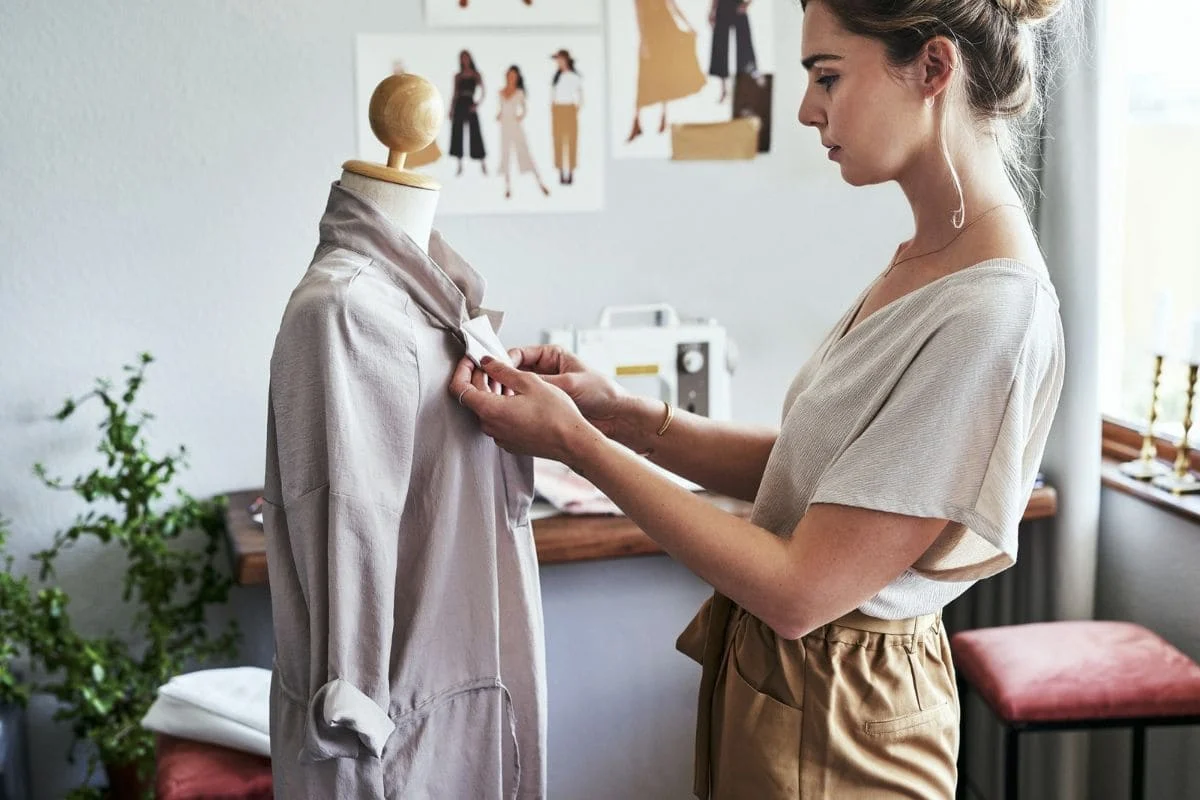
The allure of the fashion industry, with its dazzling runways, trendsetting styles, and vibrant creative energy, often sparks dreams of a career in this dynamic field. For many, the perception is that breaking into fashion requires a prestigious design school education or a network of influential connections. However, a closer examination reveals a remarkably accessible and expansive industry teeming with diverse opportunities, many of which can be pursued from the comfort of one’s home. The American fashion industry, a powerhouse valued at an estimated $400 billion and employing approximately 1.8 million individuals, stands as the world’s largest national market, demonstrating a robust demand for a wide array of talents. This sector is not solely about haute couture; it encompasses a vast spectrum of roles, from the meticulously technical to the wildly imaginative, offering lucrative avenues for individuals with a passion for style, an eye for detail, or a knack for business acumen. This article explores fourteen distinct remote career paths that allow individuals to transform their love for fashion into a viable income stream, emphasizing the growing trend of work-from-home opportunities within this influential global market.
The Evolving Landscape of Fashion Careers
Historically, careers in fashion were often perceived as being concentrated in major fashion capitals, requiring physical presence in design studios, showrooms, or retail environments. However, the digital revolution and the seismic shift towards remote work have democratized access to this industry. What was once a niche market accessible to a select few has now expanded into a global marketplace where talent can be sourced and leveraged irrespective of geographical location. This transformation is not merely a temporary trend but a fundamental restructuring of how fashion businesses operate, driven by advancements in technology, changing consumer behaviors, and a growing appreciation for work-life balance. The rise of e-commerce platforms, sophisticated digital design tools, and ubiquitous online communication channels has dismantled many of the traditional barriers to entry.
The fashion industry’s economic significance cannot be overstated. Beyond the consumer-facing aspects, it encompasses a complex supply chain involving manufacturing, marketing, logistics, and retail. Each of these components requires specialized expertise. The recent economic climate has further accelerated the adoption of remote work models across various sectors, and fashion is no exception. Companies are increasingly recognizing the benefits of a distributed workforce, including access to a broader talent pool, reduced overhead costs, and enhanced employee satisfaction. This has opened doors for individuals who may not have the means or desire to relocate to fashion hubs, allowing them to contribute their skills and creativity to this thriving industry.
Fourteen Remote Pathways to a Fashionable Future
The following fourteen opportunities represent diverse ways to engage with the fashion industry remotely, catering to a wide range of skills and interests:
1. Affiliate Marketer in Fashion
Affiliate marketing has emerged as a powerful tool for individuals to monetize their influence and content within the fashion space. In this role, individuals partner with fashion brands or retailers and promote their products through unique affiliate links. When a consumer makes a purchase via these links, the affiliate marketer earns a commission. This model thrives on authentic recommendations and engaging content. Fashion bloggers, social media influencers, and content creators on platforms like Instagram, TikTok, and YouTube can build dedicated followings and strategically integrate affiliate marketing into their strategy. The appeal lies in its passive income potential and remarkable flexibility, allowing marketers to work on their own schedule and promote products that align with their personal brand and audience’s preferences. The growth of online shopping has directly fueled the expansion of affiliate marketing, making it a significant revenue stream for many fashion enthusiasts.
2. Fashion Content Creator
Content creation has fundamentally reshaped the fashion landscape, shifting influence from traditional media outlets to individual voices. Fashion content creators, through blogs, vlogs, social media posts, and podcasts, offer relatable style advice, trend analysis, and product reviews. Their authenticity often resonates more strongly with audiences than polished marketing campaigns, making them highly effective trendsetters and brand advocates. The barrier to entry is relatively low, requiring creativity, a distinct personal style, and a platform to share it. Platforms like YouTube, TikTok, and Instagram are particularly well-suited for visual content, allowing creators to showcase outfits, tutorials, and behind-the-scenes glimpses of their fashion journey. Monetization can come from a variety of sources, including advertising revenue, brand sponsorships, affiliate marketing, and the sale of their own merchandise or digital products.
3. Digital Pattern Maker
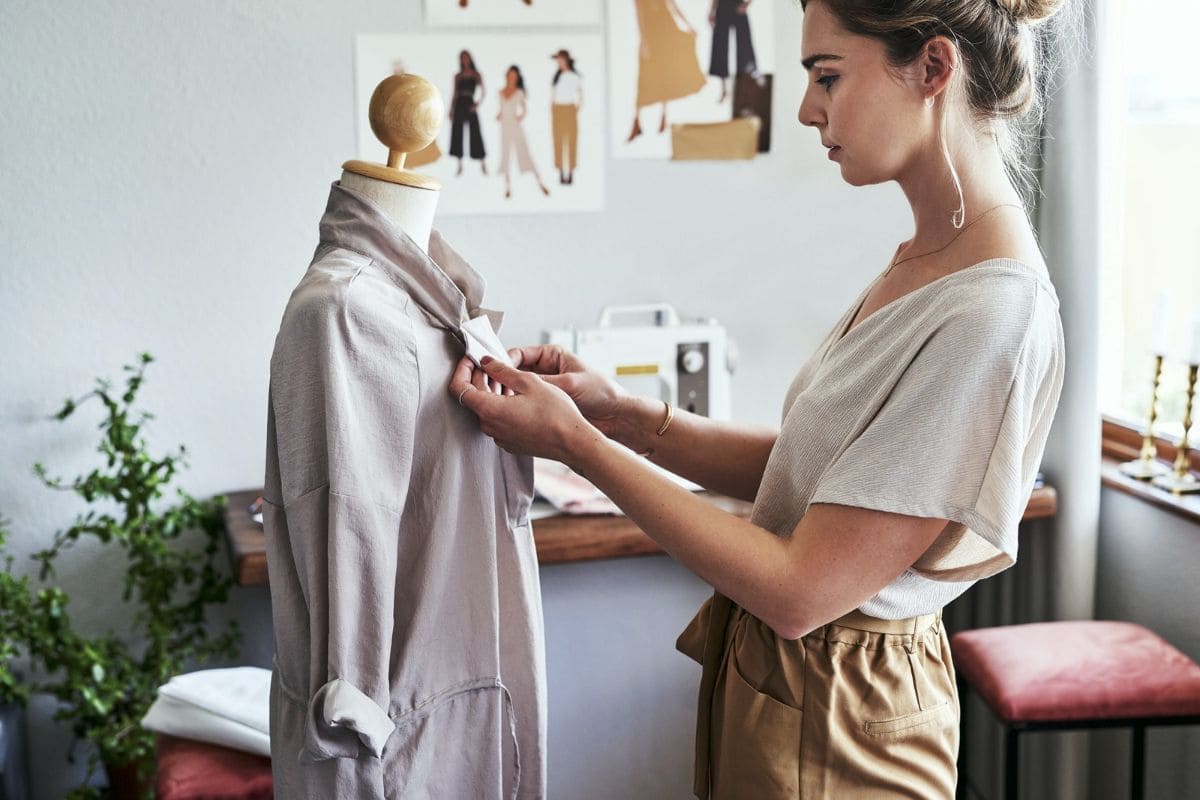
The technical side of fashion design is increasingly moving into the digital realm, and digital pattern makers are in high demand. This role involves using specialized software to create precise garment patterns that can be used for manufacturing. Instead of traditional paper drafting, digital pattern makers translate design sketches into digital formats, grade patterns for various sizes, and incorporate detailed construction notes. This profession requires a blend of technical proficiency, attention to detail, and an understanding of garment construction. Its remote-friendly nature makes it an attractive option for those with a technical aptitude and a passion for the intricacies of clothing production. The efficiency and accuracy offered by digital pattern making are crucial for modern, streamlined fashion production cycles.
4. Fashion Description Writer (Copywriter)
Every product needs a compelling story, and in the world of e-commerce, that story is told through product descriptions. Fashion description writers craft engaging and informative copy for clothing, accessories, and footwear. Their goal is to not only detail the features and benefits of a product but also to evoke a desired lifestyle and encourage a purchase. This role requires strong writing skills, an understanding of marketing principles, and a keen awareness of fashion terminology and consumer psychology. With the vast majority of fashion sales now occurring online, the demand for skilled copywriters who can effectively communicate a brand’s message and product appeal is exceptionally high. Freelance opportunities are abundant, allowing writers to work with multiple brands and hone their craft.
5. Independent Fashion Designer
The dream of launching one’s own clothing line is more attainable than ever, thanks to the proliferation of e-commerce and direct-to-consumer platforms. Independent fashion designers can now bypass traditional retail gatekeepers and connect directly with their customer base. Platforms like Etsy have become vital marketplaces for artisans and independent designers to showcase and sell their creations. Building a brand through strong SEO, engaging social media presence, and excellent customer service can lead to a sustainable and profitable business. Many established brands also recognize the value of external creative input and frequently engage freelance fashion designers for specific projects or capsule collections, offering remote work arrangements. This allows designers to leverage their unique aesthetic and entrepreneurial spirit without the need for extensive physical infrastructure.
6. Fashion Illustrator
Fashion illustration bridges the gap between art and commerce, providing a visual language for showcasing garments, accessories, and overall style concepts. These illustrations are integral to various aspects of the fashion industry, appearing in magazines, advertising campaigns, packaging, social media content, and even retail displays. Fashion illustrators often work on a project-by-project basis, making this an ideal remote career. Their work can range from detailed renderings of specific garments to more conceptual artwork that captures the mood and essence of a collection. The rise of digital illustration tools has further enhanced the remote capabilities of this profession, allowing illustrators to collaborate with clients globally and deliver their work digitally. Titles like Concept Designer or Art Director can also encompass illustration skills, broadening the scope of potential roles.
7. Fashion Merchandiser (Remote Potential)
Fashion merchandisers play a critical role in the success of brands by determining what products to stock, at what price points, and when to introduce them to the market. This involves extensive trend forecasting, data analysis of sales figures, inventory management, and close collaboration with design, marketing, and sales teams. While traditionally an in-house role, the increasing reliance on data analytics and digital communication has opened up possibilities for remote or hybrid merchandising positions. Companies are seeking merchandisers who can leverage market intelligence and sales data to make informed purchasing decisions, even if they are not physically present in a corporate office. Flexibility in terms of hybrid models often increases the availability of these roles in the remote job market.
8. Fashion Writer or Editor
For those with a passion for storytelling and a deep understanding of the fashion world, a career as a fashion writer or editor offers a compelling avenue. Fashion writers delve into the latest collections, industry innovations, emerging trends, and the cultural impact of style. Their work is inherently suited to remote execution, involving research, writing, and communication conducted primarily online. Freelance opportunities are abundant, allowing writers to contribute to a variety of publications and build a diverse portfolio. Fashion editors, on the other hand, take a broader editorial stance, conceptualizing content, shaping narratives, and guiding the overall voice and direction of a publication. While these roles have historically been more office-centric, the flexibility of remote and hybrid work arrangements is becoming more common, particularly for specialized digital publications.
9. Online Stylist or Personal Shopper
The democratization of personal styling is a direct result of the internet’s reach. Online stylists provide curated fashion advice and shopping recommendations to clients, often through virtual consultations and personalized digital lookbooks. Companies like Stitch Fix have pioneered this model, employing virtual stylists who select outfits for clients based on their preferences and feedback, streamlining the shopping experience. Beyond working for established platforms, individuals can establish their own online styling services. A strong social media presence, a professional website, and positive client testimonials are key to building a reputation and attracting clients. This role requires an excellent understanding of fashion, body types, personal coloring, and the ability to translate a client’s lifestyle and aspirations into a cohesive wardrobe.
10. Fashion Reseller
The resurgence of secondhand fashion, driven by environmental consciousness and a desire for unique finds, has created a booming market for online resellers. Individuals can source pre-owned clothing and accessories from thrift stores, estate sales, or their own closets and sell them through various online platforms. Apps like Poshmark, Depop, eBay, and Etsy provide ready-made marketplaces with built-in customer bases, making it easier for resellers to launch and grow their businesses. Success in this field requires a discerning eye for quality and style, effective product photography, accurate descriptions, and efficient shipping practices. The appeal lies in the entrepreneurial freedom and the opportunity to promote sustainable consumption while profiting from fashion’s enduring appeal.
11. Online Sewing Instructor
For individuals with proficient sewing skills and a passion for teaching, offering online sewing instruction presents a rewarding opportunity. This can involve creating pre-recorded video courses that students can access on demand, conducting live virtual workshops, or developing downloadable patterns and tutorials. Platforms like Skillshare and Udemy provide robust infrastructure for hosting online courses, allowing instructors to reach a global audience. The demand for practical skills like sewing has seen a resurgence, as people seek to mend their clothes, create custom garments, or simply engage in a creative and fulfilling hobby. Online sewing instructors can build a community around their craft and generate income through course sales and potentially related product sales.
12. Textile Designer
Textile designers are the creative minds behind the fabrics that clothe us. They conceptualize and create patterns, prints, and textures that are applied to textiles used in clothing, home décor, and other applications. This role involves extensive trend research, sketching, and the use of digital design software to develop original designs. The fashion industry relies heavily on innovative and aesthetically pleasing textiles, making textile designers essential to the creative process. Freelance opportunities are common in this field, allowing designers to collaborate with fashion brands, textile manufacturers, and independent designers remotely. The ability to translate abstract concepts into visually compelling fabric designs is a highly valued skill.
13. Upcycled Clothing Specialist
Building upon the principles of resale and sustainability, upcycled clothing specialists transform existing garments and textiles into entirely new, one-of-a-kind pieces. This involves deconstructing vintage items, repurposing damaged clothing, or combining different fabrics to create unique fashion statements. This approach directly challenges the disposable nature of fast fashion and appeals to a growing segment of environmentally conscious consumers. Success in this niche requires a strong creative vision, sewing and crafting skills, and the ability to market the unique story and craftsmanship behind each upcycled item. Online platforms provide an excellent venue for showcasing these artisanal creations and connecting with buyers who appreciate sustainable and original fashion.
14. Wardrobe Consultant
Wardrobe consultants offer personalized styling services to help individuals curate their closets and develop a style that aligns with their lifestyle, body type, and personal preferences. The process typically involves an initial consultation, a thorough closet audit, and recommendations for new purchases. While some consultations may involve in-person sessions, the advent of video conferencing, online shopping tools, and efficient postal services has made fully remote wardrobe consulting highly feasible. Consultants can guide clients through virtual closet clear-outs, create digital mood boards, and provide curated shopping lists, all from their home office. This role requires exceptional interpersonal skills, a deep understanding of fashion and styling principles, and the ability to build trust and rapport with clients remotely.
The Broader Impact and Future Outlook
The increasing accessibility of remote work in the fashion industry has profound implications. It democratizes opportunity, allowing individuals from diverse backgrounds and geographical locations to participate and thrive. This influx of varied perspectives can foster greater innovation and inclusivity within the industry. Furthermore, the rise of remote work aligns with global trends towards sustainability and reduced carbon footprints, as fewer commutes and less reliance on physical office spaces contribute to a more environmentally conscious approach to business.
The continued evolution of digital technologies, coupled with changing consumer expectations and a growing emphasis on work-life integration, suggests that remote fashion careers will only become more prevalent and sophisticated. As the industry embraces new tools and methodologies, the opportunities for passionate individuals to build fulfilling and profitable careers in fashion, without being tied to a traditional office, will continue to expand. For those who have long admired the fashion world from afar, the current landscape offers an unprecedented invitation to turn that admiration into a tangible and rewarding professional reality. The future of fashion is not just about what we wear, but also about where and how we create and contribute to this ever-evolving art form.
