

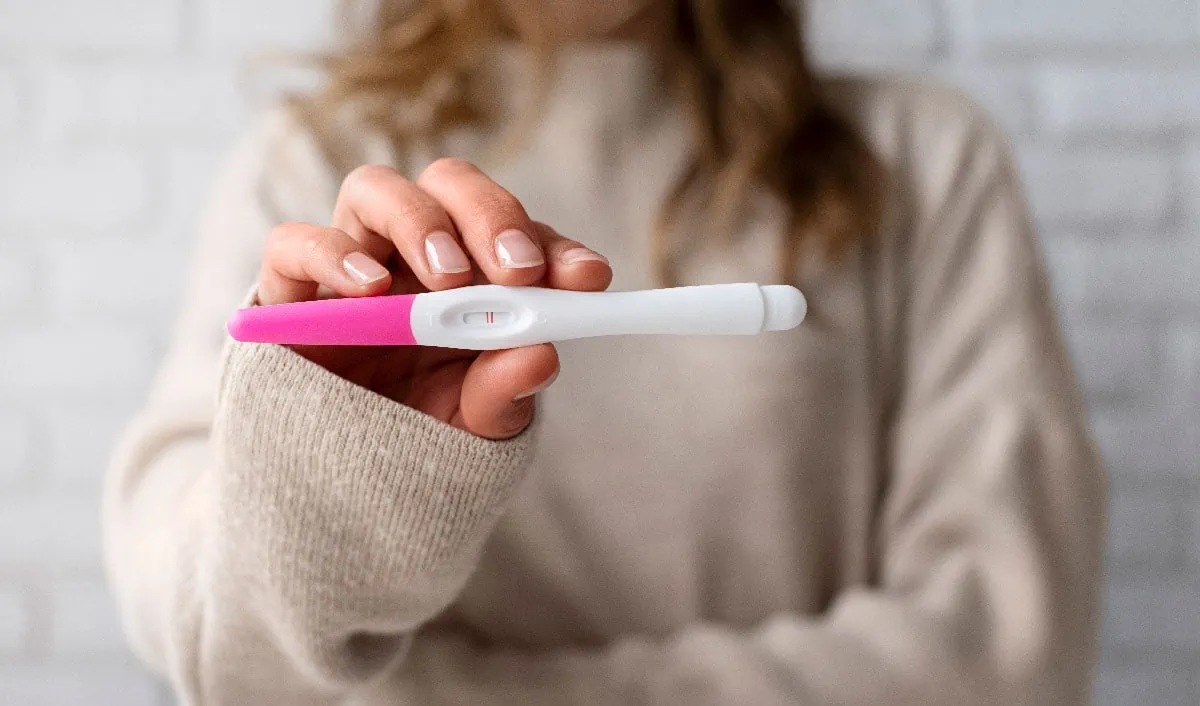
The pivotal moment of discovering a potential pregnancy often hinges on the reliability of pregnancy tests, tools that have evolved significantly to offer clarity at critical junctures. Whether an individual is navigating the ambiguous overlap of premenstrual syndrome (PMS) symptoms like breast tenderness and nausea with early signs of pregnancy, or simply seeking confirmation, the ability to ascertain pregnancy status swiftly and accurately is paramount. This process, underpinned by sophisticated biochemical detection, relies primarily on two methodologies: urine-based tests and blood-based analyses.

The Core Mechanism: Detecting Human Chorionic Gonadotropin (hCG)
At the heart of all modern pregnancy tests lies the detection of human chorionic gonadotropin (hCG), a glycoprotein hormone colloquially known as the "pregnancy hormone." Produced by the developing placenta shortly after a fertilized egg implants into the uterine lining, hCG is crucial for maintaining the corpus luteum, which in turn produces progesterone to support the early pregnancy. Its presence is exclusive to pregnancy (with very rare exceptions related to certain medical conditions) and its levels rise rapidly during the first trimester. This exponential increase makes it an ideal biomarker for early detection. Within days of implantation, hCG becomes detectable in both blood and urine, triggering the physiological changes often associated with early pregnancy symptoms such as morning sickness, fatigue, and heightened breast sensitivity.
Urine-Based Pregnancy Tests: Accessibility and Convenience
Urine tests, predominantly available as over-the-counter home pregnancy tests (HPTs), represent the most accessible and widely used method for initial pregnancy detection. These tests operate on an immunoassay principle, using antibodies specifically designed to bind to hCG molecules present in urine. When hCG is detected, a chemical reaction triggers a visible indicator, such as a change in color, the appearance of a line, or a digital display showing "pregnant" or "not pregnant."

There are several common formats for home urine tests. Some require collecting a urine sample in a cup, into which a test stick or strip is dipped, or a small amount of urine is transferred via an eyedropper to a specialized cassette. Another popular method involves holding the absorbent tip of a test stick directly in the urine stream. The waiting period for results varies by brand, typically ranging from one to five minutes. Manufacturers continually strive to improve the user experience, offering clear instructions and easily interpretable results to minimize confusion.
Understanding the Accuracy of Home Pregnancy Tests
When performed correctly, home urine tests boast an accuracy rate of approximately 97%. This high degree of reliability makes them a trusted first step for many. However, several factors can influence the accuracy of the result. The concentration of hCG in urine is highest first thing in the morning, immediately after waking, as it has accumulated overnight. Testing with this "first morning urine" sample maximizes the chances of detecting even low levels of hCG, especially in very early pregnancy. Diluted urine, on the other hand, can lead to a false negative result, even if pregnancy is present.

The convenience, affordability, and privacy offered by HPTs are significant advantages, making them an indispensable tool in reproductive health. They provide rapid results, allowing individuals to gain crucial information without immediate clinical visits. Despite these benefits, improper use, such as failing to follow instructions precisely or misinterpreting the result window, can lead to inaccuracies. Testing too early, before sufficient hCG has accumulated, is a primary cause of false negatives. If a negative result is obtained but pregnancy symptoms persist (e.e., a missed period, persistent nausea, breast tenderness, unusual fatigue), medical experts and organizations like the American Pregnancy Association recommend retesting after a week or consulting a healthcare provider for a more definitive blood test.
Clinical Blood Tests: Precision and Early Detection
For situations demanding higher precision, earlier detection, or quantitative analysis, blood tests administered in a clinical setting are the preferred option. There are two main types of blood pregnancy tests:

- Qualitative hCG Blood Test: This test provides a simple "yes" or "no" answer regarding the presence of hCG in the blood. It is highly sensitive and can often detect pregnancy earlier than urine tests, typically within 6 to 8 days after ovulation.
- Quantitative hCG Blood Test (Beta-hCG test): This test measures the exact amount of hCG in the blood, expressed in milli-international units per milliliter (mIU/mL). Quantitative tests are invaluable for monitoring the progression of pregnancy, especially in its early stages. Healthcare providers use these levels to:
- Confirm pregnancy.
- Estimate gestational age.
- Monitor for potential complications such as ectopic pregnancies (where hCG levels may not rise appropriately) or miscarriages (where levels may drop).
- Diagnose multiple pregnancies (higher initial hCG levels).
The advantages of blood tests are substantial. They offer superior accuracy and can detect pregnancy several days earlier than most home urine tests, sometimes even before a missed period. The precise measurement of hCG allows for a more nuanced understanding of the pregnancy’s viability and progression. However, blood tests come with their own set of considerations, including the need for a clinical visit, the associated cost, a slight delay in receiving results compared to instant home tests, and the minor invasiveness of a blood draw.
Optimal Timing for Pregnancy Testing: Navigating the Waiting Period
One of the most common questions surrounding pregnancy tests is: "When is the earliest I can take one?" While many at-home tests claim to be effective from the first day of a missed period, medical educators often advise a more cautious approach. The American Pregnancy Association, for instance, suggests waiting until at least seven days after a missed period for optimal accuracy with home tests. This recommendation stems from several physiological realities:

- Variability in Menstrual Cycles: A "normal" menstrual cycle can fluctuate, meaning a period might start up to seven days before or after its expected date without indicating pregnancy.
- Implantation Timing: Implantation, when the fertilized egg attaches to the uterine wall, typically occurs 6 to 12 days after ovulation. hCG production only begins after implantation.
- hCG Accumulation: It takes time for hCG levels to rise sufficiently to be detected by a home test. Most women experience detectable hCG levels in their urine around 11-12 days after ovulation, with periods typically occurring around 14 days post-ovulation. Waiting a few extra days increases the likelihood that hCG has reached a concentration high enough for detection, thereby reducing the chance of a false negative.
For those who know their exact ovulation date, testing approximately 14 days post-conception can offer a reasonably accurate early result. However, for most, waiting until after a missed period remains the most reliable strategy for home testing.
Interpreting Results and Addressing Inconsistencies
A positive result on any pregnancy test, whether urine or blood, indicates the presence of hCG, a definitive sign of pregnancy. While extremely rare, false positives can occur due to certain fertility medications containing hCG, specific medical conditions (like some ovarian tumors), or chemical pregnancies (early miscarriages where implantation occurred but didn’t progress).

A negative result can mean one of three things: the individual is not pregnant, the test was taken too early, or the test was performed incorrectly. The sensitivity of tests varies, and an early test might simply not be sensitive enough to detect low hCG levels. Diluted urine, as mentioned, can also yield a false negative. It’s crucial to adhere to the test’s instructions regarding the result window; reading a test after the specified time can lead to "evaporation lines" or other misleading faint lines that are not indicative of pregnancy. If symptoms persist or there’s continued uncertainty, retesting after a few days or seeking medical confirmation is advisable.
In instances of conflicting results – for example, one home test is positive while another is negative, or multiple home tests yield different answers – seeking a blood test from a healthcare provider is the recommended course of action. Blood tests offer the highest accuracy and can resolve ambiguity.

The Broader Implications of Early and Accurate Detection
The ability to detect pregnancy early and accurately carries profound implications across personal, medical, and public health spheres.
1. Facilitating Early Prenatal Care: Early confirmation of pregnancy allows individuals to initiate prenatal care sooner. This is vital for establishing a healthy foundation for both mother and child. Early care includes crucial advice on nutrition, supplementation (e.g., folic acid to prevent neural tube defects), lifestyle adjustments (cessation of smoking, alcohol, and certain medications), and screening for potential risks or complications. Timely access to medical professionals can significantly improve maternal and infant health outcomes.

2. Empowering Reproductive Choices: For individuals facing an unplanned pregnancy, early and accurate information is critical for informed decision-making regarding their reproductive options. Whether choosing to continue the pregnancy, explore adoption, or consider abortion, having definitive information promptly allows for thoughtful consideration and access to necessary support services and resources. Organizations like the American Pregnancy Association offer helplines and chat services to provide advice, locate pregnancy centers, and connect individuals with resources.
3. Addressing Emotional and Psychological Well-being: The period of uncertainty surrounding a potential pregnancy can be emotionally taxing. Early and clear results, whether positive or negative, can alleviate anxiety and stress, allowing individuals to process the news and plan their next steps. Support systems, including partners, family, friends, and professional counselors, play a vital role during this emotional journey.

4. Public Health Monitoring and Education: Accessible and reliable pregnancy tests contribute to broader public health initiatives. They enable better tracking of pregnancy rates, inform family planning strategies, and support educational campaigns about reproductive health. The widespread availability of HPTs empowers individuals to take charge of their reproductive health, fostering greater awareness and proactive engagement.
A Historical Perspective on Pregnancy Testing
The quest for early pregnancy detection is not new. Ancient Egyptians reportedly used barley and wheat seeds, observing if a woman’s urine caused them to sprout faster. Medieval texts describe "piss prophets" who claimed to diagnose pregnancy by observing the color and characteristics of urine. The scientific understanding began to emerge in the early 20th century with the discovery of hCG. Early biological tests involved injecting urine into animals (like rabbits or frogs) and observing physiological changes, a method that was accurate but invasive, expensive, and time-consuming. The 1960s saw the development of immunoassay techniques, paving the way for the first home pregnancy tests in the late 1970s. These early HPTs were often bulky, less sensitive, and harder to interpret than today’s sleek, digital, and highly accurate devices, marking a significant evolution in self-care diagnostics.

Expert Consensus and Future Directions
Medical organizations consistently emphasize the importance of following test instructions meticulously and seeking professional medical advice for confirmation or if concerns arise. The American College of Obstetricians and Gynecologists (ACOG) and the Centers for Disease Control and Prevention (CDC) advocate for early prenatal care, which begins with accurate pregnancy diagnosis. They also highlight the need for continued research into even earlier and more non-invasive detection methods, as well as broader public health education on reproductive health.
The landscape of pregnancy testing continues to evolve, with ongoing advancements aiming for greater sensitivity, speed, and user-friendliness. These innovations underscore the critical role that accurate and timely pregnancy detection plays in empowering individuals, facilitating informed choices, and ensuring optimal health outcomes for both expectant parents and their future children. The simple stick or blood test represents a gateway to a myriad of decisions and the beginning of a profound journey.
