


When a couple has been unsuccessful at achieving pregnancy after one year of regular, unprotected intercourse, or after six months if the female partner is over 35, it is imperative that both partners undergo a comprehensive physical and medical assessment. This diagnostic phase is critical for identifying potential barriers to conception and charting an effective path forward. Fertility testing for women and a semen analysis for men should commence promptly, as male factors are recognized to account for approximately 50% of all infertility cases, underscoring the necessity of a joint examination for possible infertility issues.

The Landscape of Infertility: A Growing Public Health Concern
Infertility, defined by the World Health Organization (WHO) as a disease of the reproductive system defined by the failure to achieve a clinical pregnancy after 12 months or more of regular unprotected sexual intercourse, affects millions worldwide. Estimates from the WHO suggest that between 48 million couples and 186 million individuals live with infertility globally. In the United States, data from the Centers for Disease Control and Prevention (CDC) indicates that roughly 12% of women aged 15-44 have difficulty getting pregnant or carrying a pregnancy to term. The emotional, psychological, and financial toll on individuals and couples can be substantial, making timely and accurate diagnosis paramount.
Historically, the burden of infertility diagnosis and treatment often fell disproportionately on women, with male partners frequently overlooked in the initial stages of assessment. However, advancements in reproductive medicine and a deeper understanding of human biology have unequivocally shifted this paradigm. Modern medical consensus, championed by organizations like the American Society for Reproductive Medicine (ASRM), emphasizes that infertility is a shared issue, requiring a collaborative diagnostic approach. Delaying the evaluation of either partner can prolong the period of uncertainty and postpone effective interventions, thereby increasing distress and potential costs.

The Crucial Role of Dual-Partner Assessment
The statistic that male factors contribute to approximately 50% of all infertility cases is a cornerstone of current diagnostic protocols. This figure highlights the inadequacy of a female-centric approach to fertility investigations. A comprehensive evaluation of both partners concurrently ensures that no contributing factors are missed and allows for a more holistic and efficient treatment plan. The initial consultations typically involve a thorough medical history for both individuals, covering aspects such as childhood diseases, past surgeries, sexually transmitted infections, current medications, lifestyle factors (diet, exercise, smoking, alcohol consumption, drug use), and family medical history. For women, menstrual cycle regularity, previous pregnancies, and gynecological conditions are also reviewed. For men, questions may focus on testicular trauma, erectile dysfunction, ejaculatory issues, and exposure to environmental toxins.
Unpacking Female Fertility Testing: A Systematic Approach
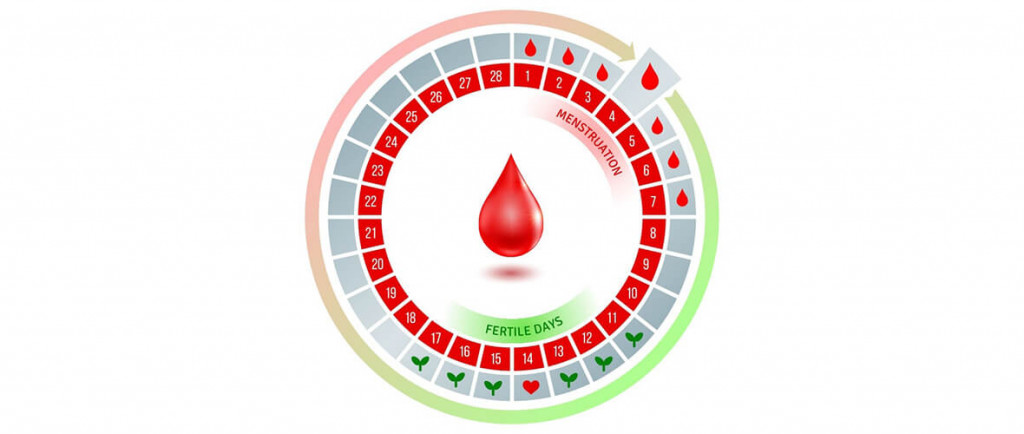
Female fertility assessment typically follows a structured timeline, designed to evaluate the critical components of reproduction: ovulation, ovarian reserve, fallopian tube patency, and uterine health.

1. Ovulation Assessment: Regular ovulation is fundamental for conception.
- Hormone Blood Tests: Levels of Follicle-Stimulating Hormone (FSH), Luteinizing Hormone (LH), Estradiol, and Prolactin are often measured early in the menstrual cycle. FSH and Estradiol provide insights into ovarian reserve, while LH surges indicate impending ovulation. Elevated Prolactin can interfere with ovulation. Anti-Müllerian Hormone (AMH) is also a key indicator of ovarian reserve, reflecting the number of remaining eggs.
- Ovulation Predictor Kits (OPKs): Home-based kits detect the LH surge in urine, signaling the most fertile window.
- Basal Body Temperature (BBT) Charting: A slight rise in BBT can indicate ovulation has occurred, though it is retrospective.
- Transvaginal Ultrasound: Can monitor follicular development and endometrial lining thickness, confirming ovulation.
2. Ovarian Reserve Testing: This evaluates the quantity and quality of a woman’s remaining eggs.

- FSH and Estradiol: As mentioned, these are typically measured on day 3 of the menstrual cycle. High FSH levels or low Estradiol can suggest diminished ovarian reserve.
- AMH: A more reliable indicator, AMH levels correlate with the number of primordial follicles and are not cycle-dependent.
- Antral Follicle Count (AFC): Performed via transvaginal ultrasound, this counts the small follicles in the ovaries, which is another measure of ovarian reserve.
3. Fallopian Tube Patency: Open fallopian tubes are essential for the egg to travel from the ovary to the uterus and for sperm to reach the egg.
- Hysterosalpingogram (HSG): An X-ray procedure where dye is injected into the uterus and flows into the fallopian tubes. It can identify blockages or structural abnormalities.
- Sonohysterogram (Saline Infusion Sonography – SIS): Uses saline solution and ultrasound to evaluate the uterine cavity for polyps, fibroids, or scar tissue.
- Laparoscopy: A minimally invasive surgical procedure that allows direct visualization of the reproductive organs, often used to diagnose and treat conditions like endometriosis or adhesions.
4. Uterine Health: The uterus must be hospitable for implantation and pregnancy.

- Transvaginal Ultrasound: Assesses the shape and structure of the uterus, endometrial thickness, and identifies abnormalities like fibroids, polyps, or congenital uterine anomalies.
- Hysteroscopy: A procedure where a thin, lighted telescope is inserted through the cervix into the uterus to visualize the uterine cavity and address issues like polyps or scar tissue.
Deciphering Male Fertility: The Semen Analysis and Beyond
The cornerstone of male fertility assessment is the semen analysis, a non-invasive and highly informative test. If a couple has been trying to conceive for a year (or six months for older women), this test should be among the first conducted for the male partner.
1. Semen Analysis: This laboratory test evaluates several key parameters of a semen sample:

- Volume: The total amount of ejaculate. Low volume can indicate blockages or issues with seminal vesicle or prostate function.
- Sperm Concentration (Count): The number of sperm per milliliter of semen. A low count (oligospermia) is a common cause of male infertility. Azoospermia refers to the complete absence of sperm.
- Motility: The percentage of sperm that are moving and how well they move. Good motility is crucial for sperm to reach and fertilize the egg.
- Morphology: The percentage of sperm that have a normal shape. Abnormal morphology can hinder a sperm’s ability to penetrate the egg.
- Vitality: The percentage of live sperm, especially if motility is very low.
- pH: Indicates the acidity or alkalinity of the semen.
- White Blood Cell Count: Presence of white blood cells can suggest infection.
2. Additional Male Fertility Tests (If Semen Analysis is Abnormal):
- Hormone Blood Tests: Levels of Testosterone, FSH, LH, and Prolactin can be assessed. Hormonal imbalances can affect sperm production.
- Post-Ejaculatory Urinalysis: Checks for sperm in the urine, indicating retrograde ejaculation (sperm flowing backward into the bladder).
- Genetic Testing: Karyotyping can detect chromosomal abnormalities. Y-chromosome microdeletion testing identifies missing genes on the Y chromosome that are essential for sperm production. CFTR gene mutation testing is relevant if cystic fibrosis is suspected, as it can be linked to congenital absence of the vas deferens.
- Testicular Biopsy: In cases of azoospermia, a small tissue sample from the testicle can determine if sperm production is occurring internally.
- Imaging: Scrotal ultrasound can identify varicocele (enlarged veins in the scrotum), which can impair sperm quality, or other testicular abnormalities. Transrectal ultrasound may be used to check for blockages in the ejaculatory ducts.
Interpreting the Findings and Charting a Course
Once all diagnostic tests are completed for both partners, a reproductive endocrinologist or fertility specialist will analyze the results to form a comprehensive diagnosis. Common female diagnoses include Polycystic Ovary Syndrome (PCOS), endometriosis, fallopian tube obstruction, diminished ovarian reserve, or uterine fibroids. For men, common diagnoses range from low sperm count (oligospermia), poor sperm motility (asthenospermia), abnormal sperm morphology (teratospermia), to blockages in the reproductive tract, or hormonal imbalances. In some cases, despite extensive testing, no specific cause can be identified, leading to a diagnosis of "unexplained infertility."

The diagnostic journey, while often stressful and emotionally taxing, is a critical step towards overcoming infertility. It provides the necessary information to tailor treatment strategies, which may range from lifestyle modifications, ovulation induction medications, intrauterine insemination (IUI), to more advanced reproductive technologies like in vitro fertilization (IVF) or the use of donor gametes.
Broader Implications and Access to Care
The implications of infertility extend beyond the medical sphere. The financial burden of diagnostic testing and subsequent treatments can be substantial, with IVF cycles often costing tens of thousands of dollars. Insurance coverage for infertility varies widely across states and plans, leaving many couples to bear significant out-of-pocket expenses. This disparity creates a significant barrier to access for many individuals and families. Advocacy groups and leading medical societies continue to push for broader and more equitable insurance coverage for fertility services.

Furthermore, the psychological impact of infertility cannot be overstated. Couples often experience grief, anxiety, depression, and strain on their relationships. Access to psychological counseling and support groups is an integral part of comprehensive fertility care, helping individuals cope with the emotional challenges of their journey.
Organizations like the American Pregnancy Association (APA) play a vital role by providing evidence-based resources and support, ensuring that couples have access to accurate and up-to-date information. The continuous validation and maintenance of articles, as evidenced by the last revision date of February 20, 2026 (an illustrative future date indicating ongoing review), underscore a commitment to journalistic integrity and scientific accuracy in an evolving field.
Conclusion
Improving the conception playing field for couples struggling with infertility unequivocally begins with prompt, comprehensive, and dual-partner assessment. The shift towards recognizing male factor infertility as equally prevalent as female factor infertility has revolutionized diagnostic protocols, ensuring that both partners receive the necessary evaluation. This systematic approach, encompassing detailed medical histories, sophisticated laboratory tests, and advanced imaging, provides the foundational understanding required for effective intervention. While the journey through infertility can be challenging, the commitment to evidence-based diagnosis and treatment, supported by robust resources and psychological care, offers hope and a clearer path towards achieving the dream of parenthood.
