


Coping with infertility can indeed be one of the most distressing life crises for couples, profoundly impacting their emotional well-being, relationships, and life plans. The persistent struggle to conceive, often after months or years of trying, can trigger deep feelings of loss, grief, anxiety, and isolation. Recognizing when to seek professional help and understanding the journey ahead is crucial for navigating this complex medical and emotional challenge. This article delves into the definition, prevalence, diagnostic procedures, treatment options, and the broader psychological and societal implications of infertility, offering a comprehensive overview for those experiencing or supporting someone through this journey.

The Silent Struggle: Defining and Understanding Infertility
Infertility is medically defined as the inability to achieve pregnancy after 12 months or more of regular unprotected sexual intercourse for women under 35. For women aged 35 or older, this timeframe is shortened to six months, reflecting the natural decline in fertility with advancing age. It affects millions worldwide, touching individuals and couples from all backgrounds. According to the World Health Organization (WHO), approximately 1 in 6 people globally are affected by infertility, highlighting its widespread nature. In the United States, data from the Centers for Disease Control and Prevention (CDC) indicates that around 12% of women aged 15-44 have difficulty getting pregnant or carrying a pregnancy to term. These statistics underscore that infertility is a common medical condition, not a personal failing, and warrants compassionate, evidence-based care.
The emotional toll associated with infertility often goes unacknowledged. Couples frequently experience a profound sense of loss – loss of the anticipated pregnancy, the imagined child, and the vision of their family future. This grief can manifest in various ways, including sadness, anger, guilt, and a feeling of being out of control. The monthly cycle of hope and disappointment can be emotionally exhausting, leading to significant stress and strain on personal relationships. Understanding the medical realities while simultaneously validating the emotional experiences is a critical first step for those navigating this challenging period.

When to Seek Professional Guidance: A Timeline for Intervention
The decision of when to consult a fertility specialist is often fraught with uncertainty. However, medical guidelines provide clear recommendations to help couples identify the appropriate time for intervention. For most couples, the general rule is to seek evaluation if conception has not occurred after 12 months of regular, unprotected intercourse. This timeframe allows for a reasonable period of natural conception, given that approximately 85% of couples will conceive within one year of trying.
However, certain factors warrant earlier consultation:

- For women aged 35 or older: It is recommended to seek evaluation after six months of trying to conceive. Female fertility begins to decline more rapidly after age 35, making early intervention particularly beneficial.
- Known risk factors: If either partner has a known condition that could affect fertility, such as irregular or absent menstrual cycles, a history of pelvic inflammatory disease, endometriosis, previous abdominal or pelvic surgery, or a known male factor issue (e.g., undescended testicles, previous vasectomy reversal), consultation should occur sooner, regardless of the duration of trying to conceive.
- Multiple miscarriages: Recurrent pregnancy loss (two or more consecutive miscarriages) also indicates a need for prompt investigation into potential underlying causes of infertility.
The initial consultation typically involves a detailed medical history for both partners, including information about menstrual cycles, sexual history, past pregnancies, and any relevant medical conditions or surgeries. This comprehensive assessment helps the fertility specialist, usually a reproductive endocrinologist, to tailor a diagnostic plan. Early intervention not only expedites diagnosis but also potentially increases the chances of successful treatment, as some causes of infertility can worsen over time.
Understanding the Complexities: Diagnostic Pathways
A thorough diagnostic workup is essential to identify the underlying causes of infertility, which can originate from either the female or male partner, or a combination of both. In approximately one-third of cases, infertility is attributed to female factors; in another third, it’s due to male factors; and in the remaining cases, it’s a combination of both or remains unexplained.

Female Factor Assessment:
The evaluation for female infertility typically focuses on three main areas: ovulation, uterine health, and tubal patency.
- Ovulatory Function: This involves blood tests to measure hormone levels at specific points in the menstrual cycle, such as Follicle-Stimulating Hormone (FSH), Luteinizing Hormone (LH), estrogen, and progesterone. Basal body temperature charting or ovulation predictor kits can also provide insights into ovulation patterns. Irregular or absent ovulation (anovulation) is a common cause of female infertility, often associated with conditions like Polycystic Ovary Syndrome (PCOS).
- Uterine Health: Structural abnormalities of the uterus can impede implantation or pregnancy progression. Diagnostic tools include transvaginal ultrasound to visualize the uterus and ovaries, hysteroscopy (inserting a thin scope into the uterus to examine its lining), and sonohysterography (saline-infusion sonogram) to detect polyps, fibroids, or congenital anomalies.
- Tubal Patency: The fallopian tubes must be open for the egg to travel from the ovary to the uterus and for sperm to reach the egg. A hysterosalpingogram (HSG) is a common procedure where dye is injected into the uterus and fallopian tubes, and X-rays are taken to check for blockages. In some cases, laparoscopy, a minimally invasive surgical procedure, may be performed to directly visualize the reproductive organs and address issues like endometriosis or adhesions.
- Ovarian Reserve: This refers to the quantity and quality of a woman’s eggs. Tests include Anti-Müllerian Hormone (AMH) levels, which reflect the remaining egg supply, and antral follicle count (AFC) via ultrasound. FSH levels on day 3 of the menstrual cycle also provide an indication of ovarian reserve.
Male Factor Assessment:
Male infertility evaluation is generally simpler but equally crucial.

- Semen Analysis: This is the cornerstone of male fertility testing. A semen sample is analyzed for sperm count, motility (ability to move), morphology (shape), and other characteristics. Abnormal results can indicate issues with sperm production or function.
- Hormone Levels: Blood tests may be conducted to measure testosterone, FSH, and LH levels, which play a role in sperm production.
- Physical Examination: A urologist specializing in male fertility may perform a physical exam to check for conditions like varicocele (enlarged veins in the scrotum) or blockages.
Unexplained Infertility:
Despite comprehensive testing, approximately 10-15% of couples are diagnosed with "unexplained infertility." This means all standard diagnostic tests for both partners return normal results. While frustrating, it does not mean there is no issue; rather, current diagnostic tools cannot identify the specific cause. For these couples, empiric treatment approaches, often escalating to assisted reproductive technologies, are usually considered. The American Society for Reproductive Medicine (ASRM) emphasizes the importance of a systematic and evidence-based approach to diagnosis to ensure no stone is left unturned before classifying infertility as unexplained.
Navigating Treatment Options: A Spectrum of Hope
Once a diagnosis is established, or if unexplained infertility is determined, a range of treatment options becomes available, tailored to the specific needs and circumstances of the couple. These options can range from lifestyle adjustments to advanced reproductive technologies.

1. Lifestyle Modifications:
Often the first line of advice, lifestyle changes can significantly impact fertility for both partners. These include:
- Optimizing Weight: Being underweight or overweight can disrupt hormone balance and ovulation in women, and affect sperm quality in men.
- Nutrition: A balanced diet rich in fruits, vegetables, and whole grains, along with specific supplements like folic acid for women, is recommended.
- Exercise: Regular, moderate exercise is beneficial, but excessive strenuous exercise can negatively impact fertility.
- Stress Management: Techniques such as yoga, meditation, mindfulness, and counseling can help mitigate the psychological impact of infertility, which can indirectly affect conception.
- Avoiding Harmful Substances: Eliminating smoking, excessive alcohol consumption, and recreational drug use is crucial, as these can severely impair fertility.
- Fertility-Friendly Lubricants: Many common lubricants can be spermicidal. Using "sperm-friendly" lubricants is recommended during intercourse when trying to conceive.
2. Medical Interventions:
For many couples, medication is the first medical approach.

- Ovulation Induction: For women with ovulatory disorders, medications like clomiphene citrate (Clomid) or letrozole are used to stimulate egg production. Gonadotropins (injectable hormones) may also be used for stronger ovarian stimulation. These are often combined with timed intercourse or Intrauterine Insemination (IUI).
- Intrauterine Insemination (IUI): This procedure involves placing a concentrated sample of washed sperm directly into the uterus around the time of ovulation. It is often used for male factor infertility (mild issues), unexplained infertility, or when ovulation induction medications are used.
3. Assisted Reproductive Technologies (ART):
ART encompasses a variety of procedures where eggs and sperm are handled outside the body.
- In Vitro Fertilization (IVF): This is the most common and effective form of ART. The process typically involves:
- Ovarian Stimulation: Medications are given to stimulate the ovaries to produce multiple eggs.
- Egg Retrieval: Eggs are surgically removed from the ovaries.
- Fertilization: Eggs are fertilized with sperm in a laboratory setting (in vitro). This can be conventional insemination or Intracytoplasmic Sperm Injection (ICSI), where a single sperm is injected directly into each egg, particularly useful for severe male factor infertility.
- Embryo Culture: Fertilized eggs (embryos) are grown in the lab for several days.
- Embryo Transfer: One or more embryos are transferred into the woman’s uterus.
- Success Rates: IVF success rates vary significantly based on the woman’s age, cause of infertility, and clinic expertise. According to the CDC, the percentage of IVF cycles resulting in a live birth generally decreases with age, from approximately 50% for women under 35 to less than 5% for women over 44.
- Preimplantation Genetic Testing (PGT): This can be performed during an IVF cycle to screen embryos for chromosomal abnormalities (PGT-A) or specific genetic diseases (PGT-M) before transfer, aiming to improve success rates and reduce the risk of genetic disorders.
4. Third-Party Reproduction:
When conventional treatments are not viable, third-party reproduction offers alternative paths to parenthood.

- Donor Eggs/Sperm: For individuals or couples with severe egg or sperm factor infertility.
- Gestational Carriers (Surrogacy): For women who cannot carry a pregnancy to term due to uterine issues or medical conditions.
The choice of treatment is a deeply personal one, made in consultation with medical professionals, considering prognosis, costs, ethical implications, and emotional readiness.
The Emotional Landscape: Acknowledging the Grief and Resilience
The journey through infertility is not just a medical one; it is an intense emotional odyssey. The initial hope that accompanies trying to conceive often gives way to disappointment, frustration, and profound sadness. As the original article states, "Struggles with conception can cause deep feelings of loss to surface." This loss is multi-faceted: the loss of control over one’s body, the loss of a desired future, the loss of spontaneity in intimacy, and often, the loss of connection with friends and family who easily conceive.
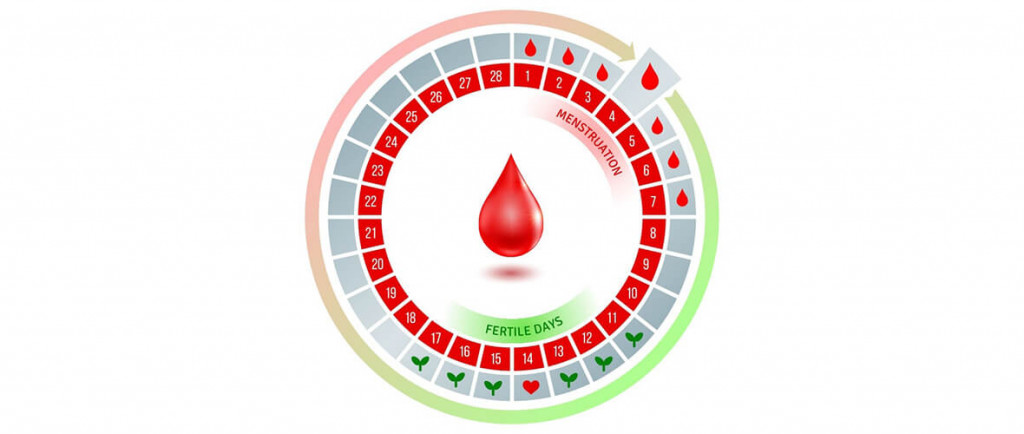
Psychological studies consistently show that individuals experiencing infertility report high levels of stress, anxiety, and depression. Women, in particular, often report levels of distress comparable to those diagnosed with cancer or heart disease. The constant cycle of hope and despair associated with menstrual cycles or treatment outcomes can be psychologically debilitating. Relationships, both with partners and external social circles, can be strained. Partners may cope differently, leading to misunderstandings and feelings of isolation within the relationship. Friends and family, often well-meaning, may offer insensitive advice or comments, further alienating infertile individuals.
Recognizing and addressing the emotional impact is paramount. Coping strategies include:

- Seeking Professional Support: Therapists specializing in infertility can provide invaluable tools for managing grief, anxiety, and depression. Support groups, both online and in-person, offer a safe space to share experiences and find solidarity. Organizations like Resolve: The National Infertility Association, provide extensive resources and community.
- Open Communication: Maintaining open and honest communication with one’s partner is vital. Acknowledging differing emotional responses and supporting each other through difficult moments can strengthen the relationship.
- Setting Boundaries: It is important to set boundaries with family and friends regarding intrusive questions or comments about pregnancy. Prioritizing self-care and stepping away from triggering situations (e.g., baby showers, social media announcements) can be beneficial.
- Exploring Alternative Paths: While emotionally challenging, considering adoption or child-free living as alternative paths can be part of the coping process for some couples, allowing them to regain a sense of control over their future.
The resilience demonstrated by individuals and couples facing infertility is immense. They learn to navigate complex medical procedures, advocate for themselves, and find strength in unexpected places. The journey fosters a deep understanding of love, commitment, and the many definitions of family.
Societal and Economic Implications: A Broader View
Beyond the personal toll, infertility carries significant societal and economic implications. One of the most prominent is the financial burden. Fertility treatments, especially advanced ones like IVF, are incredibly expensive. A single IVF cycle can cost tens of thousands of dollars, and many couples require multiple cycles. Insurance coverage for infertility treatment varies widely, with many policies offering limited or no coverage, forcing couples to deplete savings, take out loans, or forgo treatment altogether. This financial strain adds another layer of stress to an already challenging situation. Advocacy groups are continually working to expand insurance mandates for infertility coverage, recognizing it as a legitimate medical condition.

The workplace impact is also considerable. Fertility treatments often require numerous appointments, blood tests, and procedures, which can be difficult to manage alongside work commitments. The emotional stress of infertility can also affect productivity and focus, leading to missed workdays or decreased job satisfaction.
Social stigma and misunderstanding continue to be prevalent. Despite increased awareness, many people still view infertility as a taboo subject, leading to feelings of shame and isolation for those affected. This lack of public understanding can make it harder for individuals to seek support or discuss their struggles openly. Education and awareness campaigns are essential to destigmatize infertility and foster a more empathetic societal environment.

Furthermore, the advancements in ART raise ethical considerations regarding embryo disposition, genetic screening, and the rights of all parties involved in third-party reproduction. These complex issues require ongoing dialogue and careful consideration within medical, legal, and ethical frameworks.
The American Pregnancy Association (APA) and similar organizations play a crucial role in providing evidence-based information, resources, and support to individuals and couples facing infertility. Their commitment to offering free helplines, live chats, and educational content helps bridge the gap between medical treatment and emotional support, ensuring that no one feels alone on their journey. The validation and practical guidance offered by such platforms are indispensable, empowering individuals to make informed decisions and find strength in community.

Conclusion: Moving Forward with Hope and Support
The journey through infertility is undeniably arduous, marked by emotional highs and lows, complex medical decisions, and significant personal challenges. Yet, it is also a journey characterized by immense hope, resilience, and the unwavering pursuit of building a family. It is vital for individuals and couples experiencing this to remember that infertility is a medical condition, not a personal failing or a reflection of their worth.
Seeking timely professional guidance from reproductive specialists, understanding the diagnostic and treatment options available, and proactively addressing the emotional and psychological aspects are all critical components of navigating this path. Leaning on loved ones, connecting with support networks, and utilizing resources provided by organizations like the American Pregnancy Association can provide the much-needed emotional scaffolding. As medical science continues to advance, offering an expanding array of solutions, the future holds increasing promise for those striving to overcome infertility and achieve their dream of parenthood. The path may be challenging, but with comprehensive care, unwavering support, and personal resilience, many find their way to a fulfilling future.
