

The human gastrointestinal tract, often referred to as the "second brain," houses a complex ecosystem of trillions of microorganisms known as the gut microbiome. This internal environment plays a critical role in metabolic function, immune system regulation, and even neurological health. However, when the delicate balance between beneficial and pathogenic bacteria is disrupted—a state known as dysbiosis—the physiological consequences can manifest in a variety of systemic symptoms. Recent clinical observations and nutritional research have identified seven primary indicators that the gut microbiome may be out of balance, prompting a shift in how medical professionals approach holistic wellness and preventative care.
The Evolution of Microbiome Research and Clinical Context
To understand the current focus on gut health, one must look at the timeline of microbiological discovery. While the importance of intestinal flora has been suspected for centuries, it was the launch of the Human Microbiome Project (HMP) in 2007 by the National Institutes of Health (NIH) that revolutionized the field. This five-year international effort provided the first comprehensive census of the microbial communities inhabiting the human body.
Following the HMP, a decade of subsequent research has established a direct link between microbiome diversity and chronic health conditions. In the contemporary medical landscape, gastroenterology has moved beyond simple digestion to examine the "gut-brain axis," a bidirectional communication network that connects the enteric nervous system (ENS) with the central nervous system (CNS). As of 2024, clinical data suggests that nearly 70 million Americans suffer from digestive diseases, many of which are rooted in microbial imbalances caused by the modern Western diet, sedentary lifestyles, and the overuse of antibiotics.
Primary Indicators of Microbiome Dysbiosis
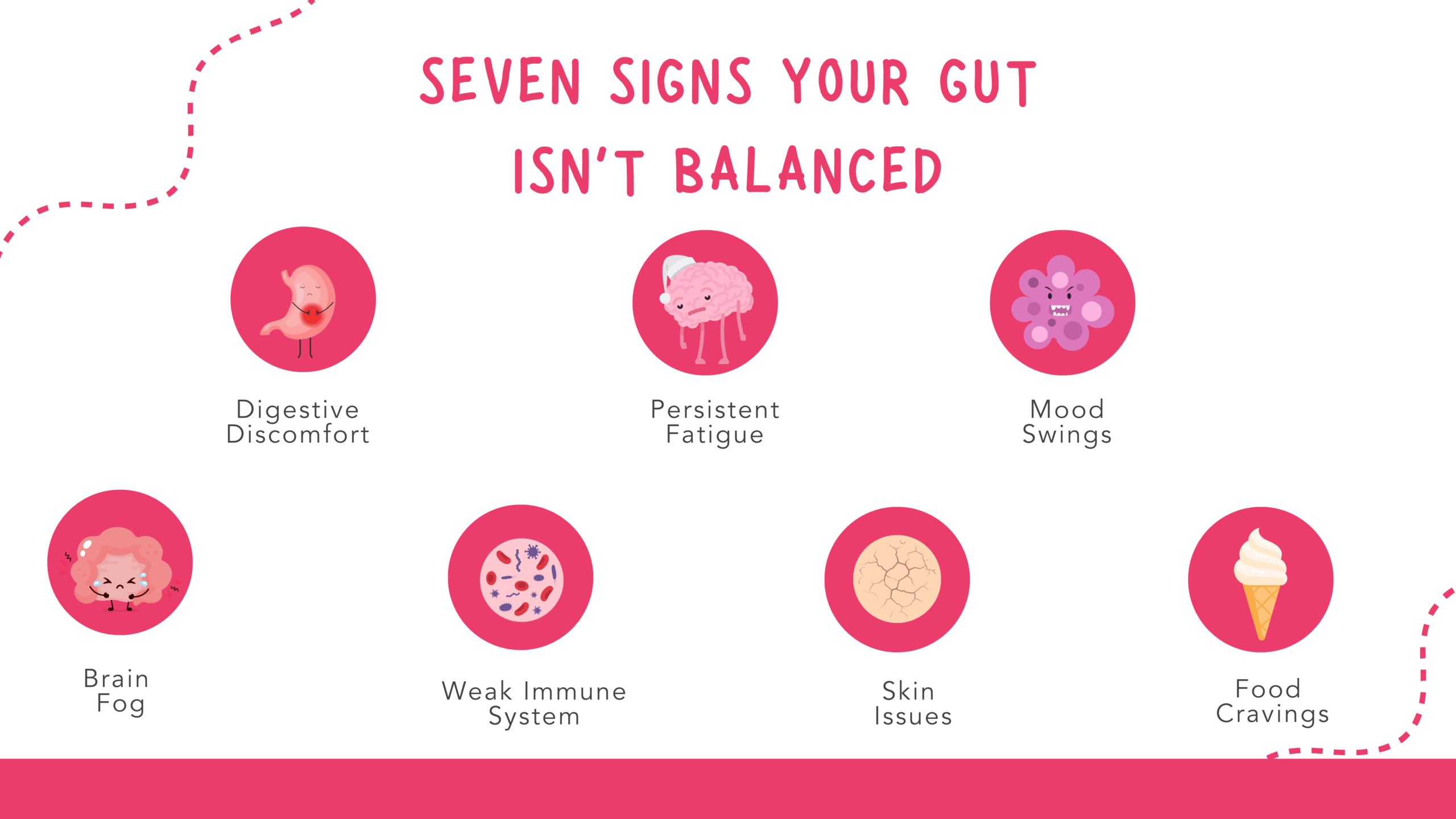
Clinical presentations of gut imbalance often begin with subtle physiological shifts that, if left unaddressed, can escalate into chronic systemic issues. Medical experts have categorized the most common manifestations into seven distinct areas.
1. Chronic Digestive Dysfunction
The most direct indicators of dysbiosis are gastrointestinal irregularities, including frequent bloating, flatulence, constipation, and diarrhea. These symptoms are often the result of "malfermentation," where pathogenic bacteria or yeasts overproduce gases as they process undigested food. When the microbiome is imbalanced, the body struggles to eliminate waste efficiently, leading to prolonged transit times and the accumulation of toxins within the colon.
2. Persistent Fatigue and Sleep Disturbances
While fatigue is often attributed to thyroid issues or lack of sleep, recent data indicates a significant correlation between chronic tiredness and gut health. A study published in the journal Nutrients highlighted that approximately 60% of individuals diagnosed with Chronic Fatigue Syndrome (CFS) also exhibit symptoms of Irritable Bowel Syndrome (IBS). The mechanism behind this is believed to be systemic inflammation and the microbiome’s role in regulating mitochondrial function—the "powerhouses" of human cells.
3. Psychological Fluctuations and Anxiety
The gut-brain axis is perhaps the most profound discovery in modern neurobiology. It is now a documented fact that approximately 95% of the body’s serotonin—the primary neurotransmitter responsible for mood regulation—is produced in the gastrointestinal tract. Only 5% is synthesized in the brain. Consequently, an imbalanced gut can lead to "neuro-inflammation," manifesting as heightened anxiety, depressive episodes, or unexplained mood swings.
4. Pathological Food Cravings
Emerging research suggests that certain species of gut bacteria can manipulate host behavior to ensure their own survival. Pathogenic yeasts, such as Candida, thrive on simple sugars. When these populations grow out of control, they can trigger intense cravings for refined carbohydrates and processed sugars. This creates a "vicious cycle" where the consumption of unhealthy foods further feeds the harmful bacteria, leading to deeper dysbiosis.
5. Dermatological Manifestations
The "gut-skin axis" describes the relationship between intestinal health and skin integrity. Conditions such as eczema, psoriasis, and acne are frequently linked to "leaky gut" syndrome (increased intestinal permeability). When the gut lining is compromised, undigested food particles and toxins enter the bloodstream, triggering an immune response that manifests as cutaneous inflammation.
6. Compromised Immune Resilience
The gut is the primary headquarters of the human immune system, containing roughly 70% to 80% of the body’s immune cells within the Gut-Associated Lymphoid Tissue (GALT). A diverse microbiome trains these cells to distinguish between harmless proteins and dangerous pathogens. When diversity is low, the immune system becomes either hypersensitive (leading to allergies and autoimmune issues) or sluggish, making the individual more susceptible to frequent viral and bacterial infections.
7. Cognitive Impairment and "Brain Fog"
"Brain fog," characterized by confusion, forgetfulness, and a lack of mental clarity, is increasingly recognized as a metabolic symptom of gut imbalance. Small Intestinal Bacterial Overgrowth (SIBO) and other forms of dysbiosis can lead to the production of metabolites that cross the blood-brain barrier, interfering with cognitive processing and focus.
Evidence-Based Therapeutic Interventions
Addressing microbiome dysbiosis requires a multi-faceted approach focusing on nutritional rehabilitation and lifestyle modifications. Medical professionals emphasize that while supplements are beneficial, they must be supported by foundational dietary changes.
Dietary Fiber Optimization
The Academy of Nutrition and Dietetics recommends that adult women consume at least 25 grams of fiber per day, while men should aim for 38 grams. However, the average American consumes only 10 to 15 grams. Fiber serves as a "prebiotic," providing the essential fuel for beneficial bacteria to produce Short-Chain Fatty Acids (SCFAs) like butyrate, which protect the gut lining.
Incorporating diverse fiber sources is crucial. Soluble fiber, found in oats and legumes, helps regulate glucose and cholesterol, while insoluble fiber from leafy greens and whole grains aids in regular bowel movements. Recent interest has also surged in "superfruit" fibers, such as those derived from the African Baobab fruit, which is exceptionally high in prebiotic content and antioxidants that support the mucosal barrier.
The Integration of Fermented Foods
Historically, human diets were rich in fermented foods, which acted as natural probiotics. Incorporating "living" foods—such as unpasteurized sauerkraut, kimchi, kefir, and miso—introduces beneficial strains of Lactobacillus and Bifidobacterium into the system. Clinical analysis suggests that even small, consistent servings of fermented products can significantly increase microbial diversity within 12 weeks.
Hydration and Mucosal Support
Water is essential for the function of the mucosal lining of the intestines. This lining acts as a physical barrier against pathogens. Dehydration can lead to a thinning of this mucus layer, leaving the gut wall vulnerable to irritation. Health experts recommend consuming half of one’s body weight in ounces of water daily, potentially supplemented with trace minerals to enhance cellular absorption.
Targeted Probiotic Supplementation
In cases of significant dysbiosis—often following a course of antibiotics or chronic stress—dietary changes alone may be insufficient. Targeted probiotic supplementation can help "reseed" the gut. Current pharmacological standards for high-quality probiotics include:
- Colony Forming Units (CFU): A minimum of 20 to 50 billion CFUs is often recommended for therapeutic effect.
- Strain Diversity: Formulations should include well-researched strains such as Lactobacillus rhamnosus (for immune support), Lactobacillus acidophilus (for vaginal and digestive health), and Bifidobacterium lactis (for regularity).
- Stability: Ensuring the bacteria can survive stomach acid and reach the lower intestine is critical for efficacy.
Broader Impact and Public Health Implications
The societal implications of widespread gut dysbiosis are significant. Beyond individual discomfort, the prevalence of gastrointestinal-related illnesses contributes to billions of dollars in healthcare costs and lost productivity. In the United States, digestive disorders result in over 13 million hospitalizations annually.
Furthermore, the link between gut health and mental health offers a new frontier for psychiatry. "Nutritional psychiatry" is an emerging field that utilizes dietary intervention as a primary or adjunctive treatment for clinical depression and anxiety. By focusing on the microbiome, the medical community may find more sustainable, long-term solutions for the burgeoning mental health crisis.
In conclusion, the state of the gut microbiome is a foundational pillar of human health. Recognizing the signs of imbalance—from digestive distress to cognitive fog—allows for early intervention. Through a combination of prebiotic fiber intake, fermented food consumption, adequate hydration, and targeted probiotic support, individuals can restore microbial homeostasis, leading to improved immunity, stabilized mood, and enhanced systemic vitality. As research continues to unfold, the prioritization of "gut-first" wellness is likely to become a standard of care in 21st-century medicine.